
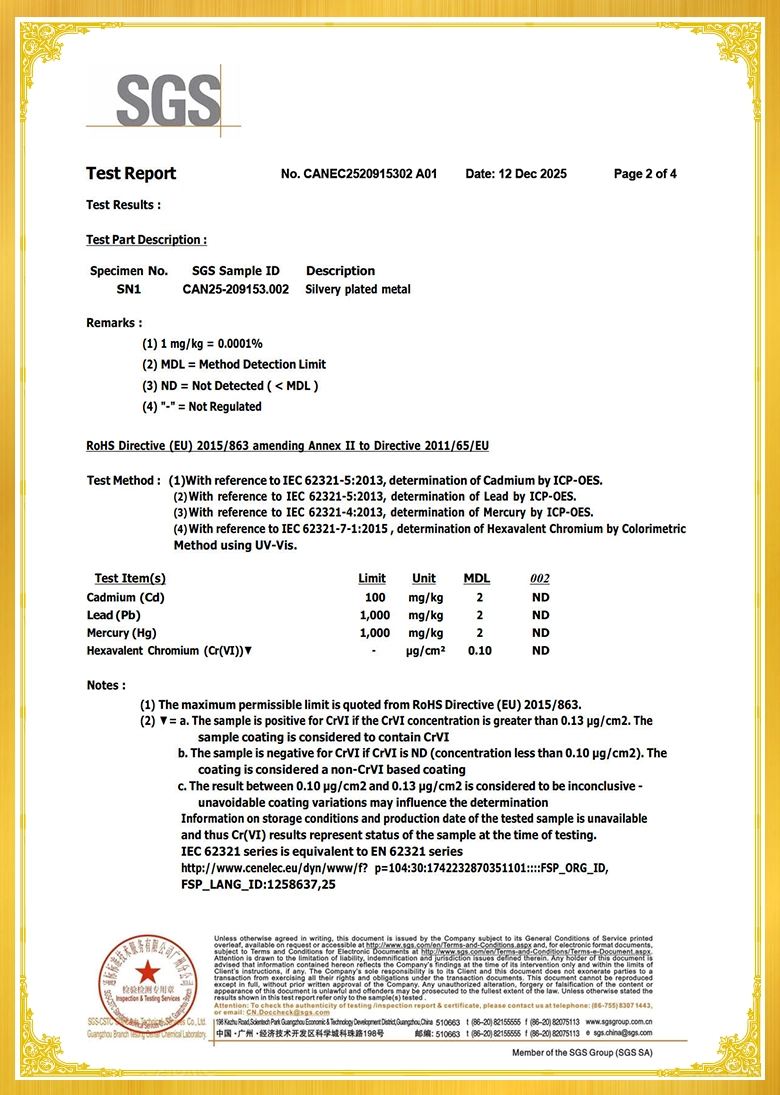
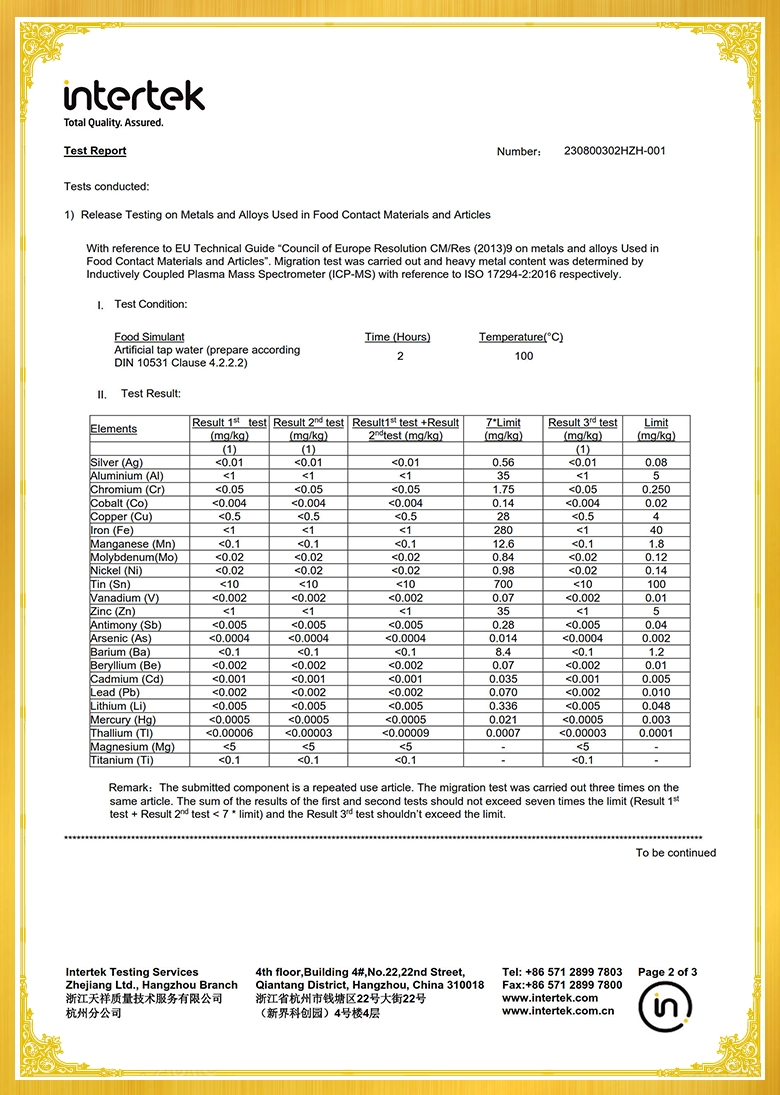
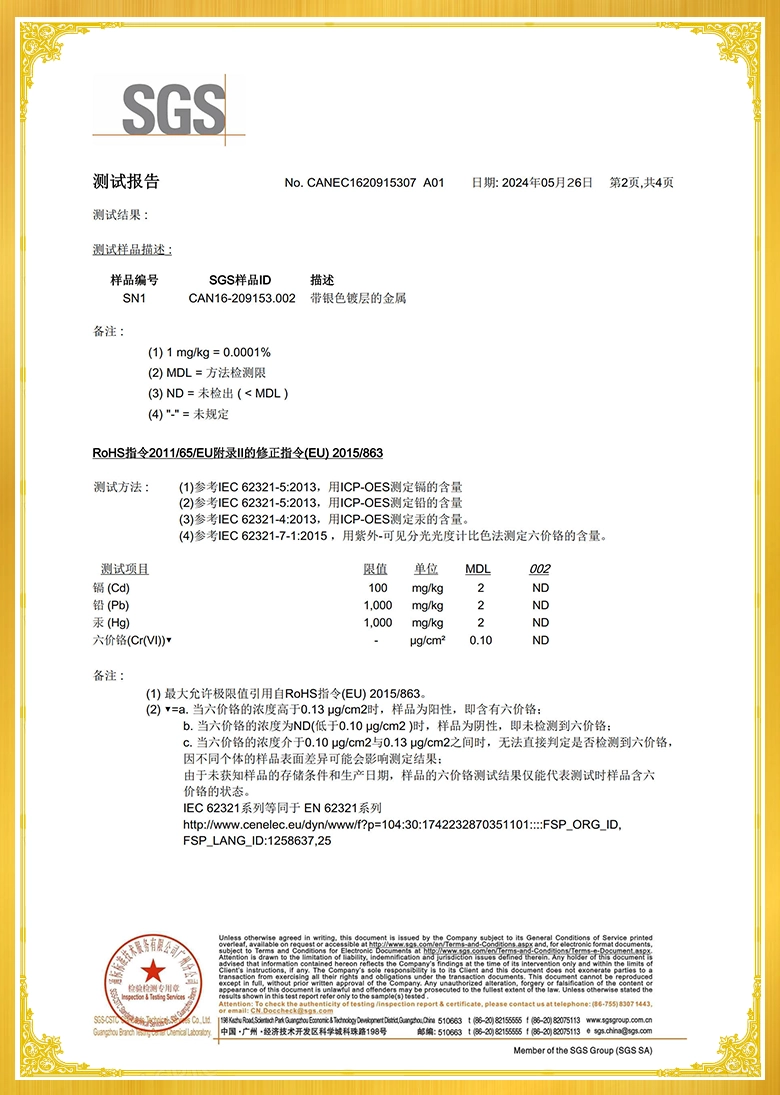
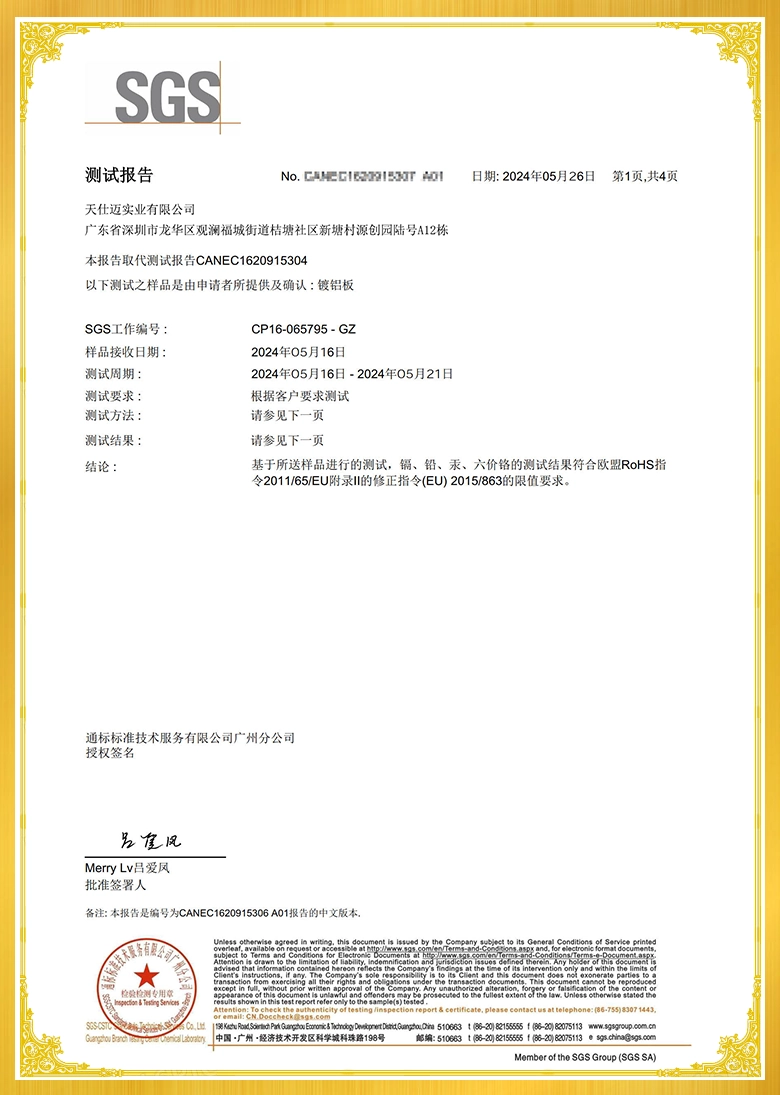
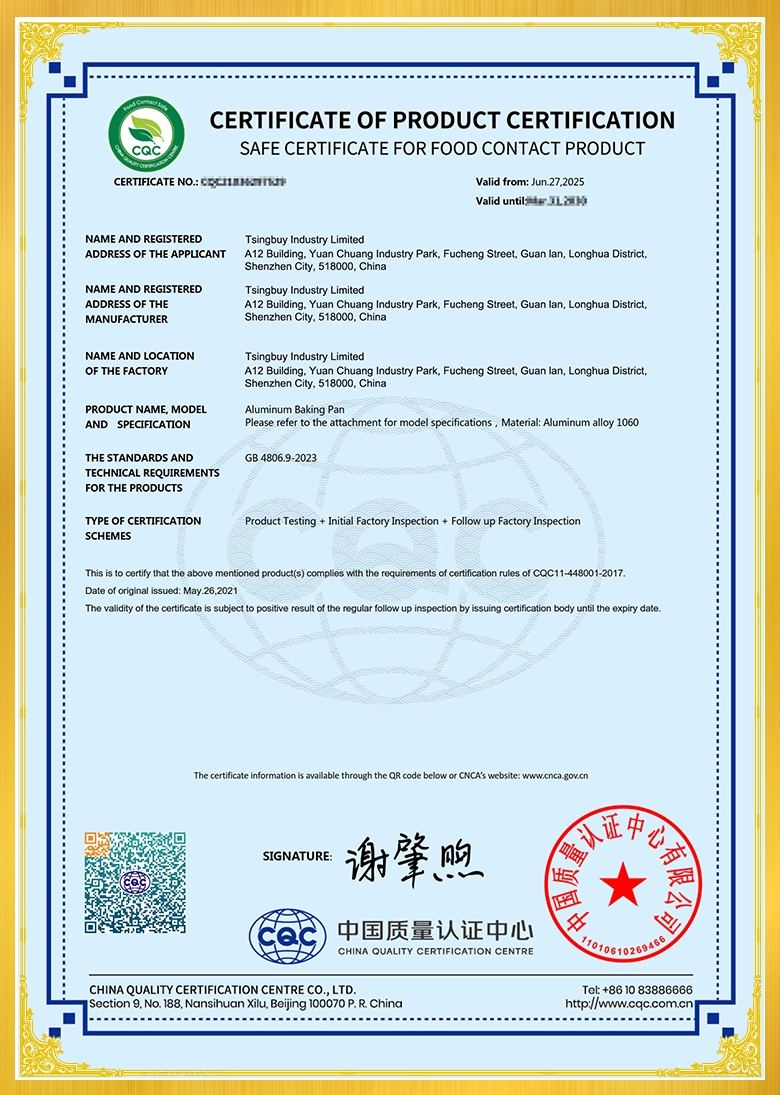
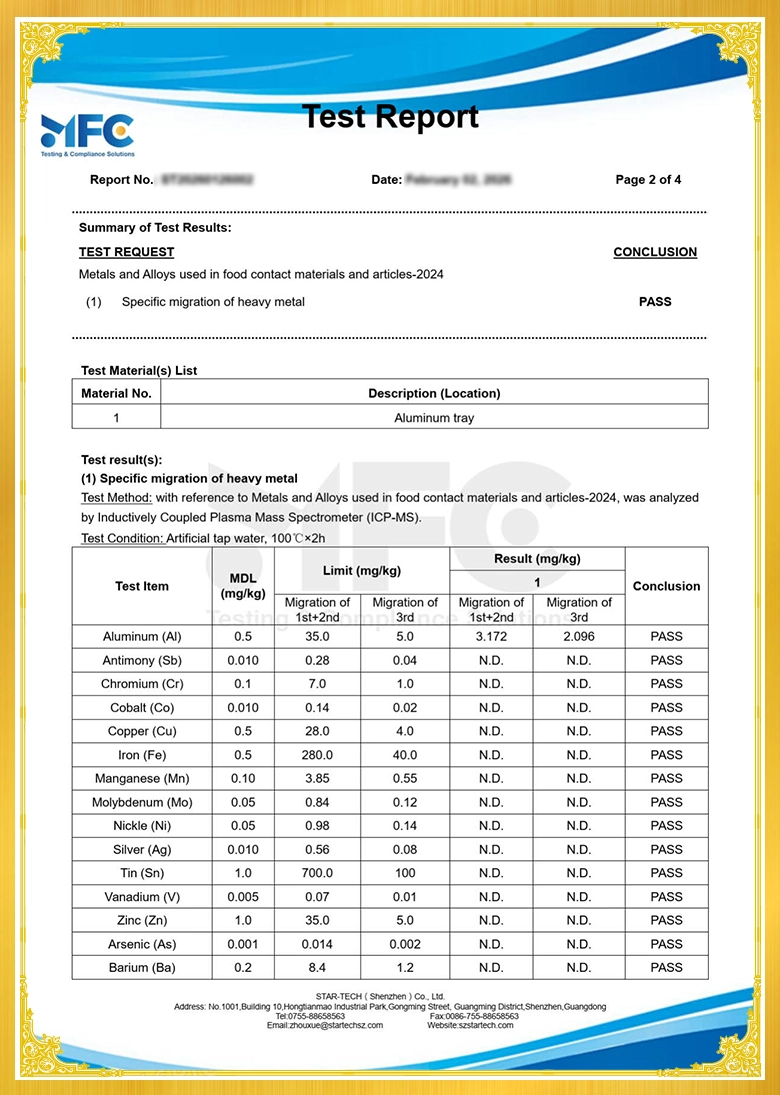
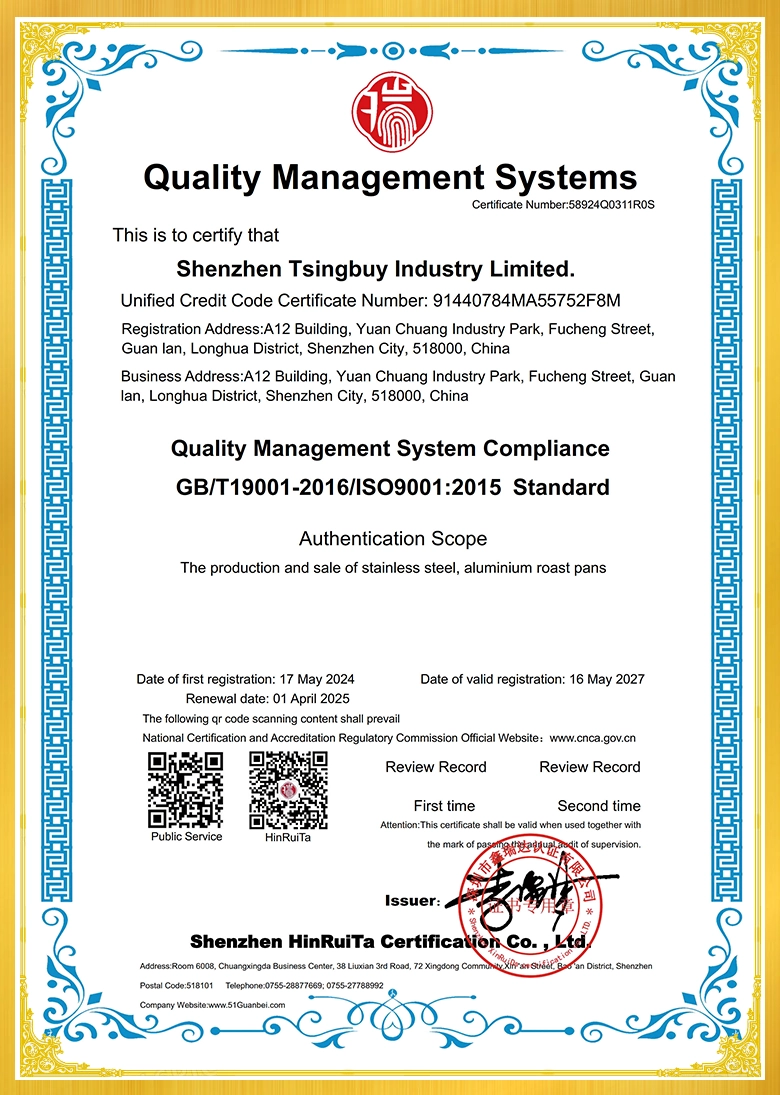
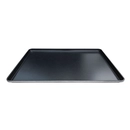
Model: TSPP product name: 18x26 sheet pan, baking tray, baking sheet, bakery tray, cookie sheet, full sheet pan material: heavy duty aluminized steel Workmanship: machine stamp Thickness: 0.7mm and more choices are available size: 450x650 and more sizes are available surface: non stick coated packing: opp bag and cartons MOQ: 100pcs function: professional rectangle baking tray baking sheet pan for bread cake cookie pastry food in bakery, restaurant, food factory etc
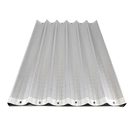
Product name: aluminium tray, baguette pan, French bread tray, French loaf pan Material: aluminum Size: full sise 26*16 inch (660*460mm), and more sizes for choices, custom size available Thickness: 1.0mm and customized thickness Surface: natural without coating Rows: 6 rows and customized row quantity Type: open-ended and perforated surface MOQ: 50pcs Function: French long-stick loaf bread baking mold tray for bakery, food factory etc
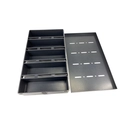
Product name: custom bakeware industrial 5 strap bread loaf pan with lidMaterial: alusteelSize: as the professional design chart showsSurface: non stick corrugated surface\Workmanship: custom design and manufcaturing, handmadeMOQ: 100setsPacking: cartonsFunctions: commercial industrial use bakeware bread loaf baking pan for bakeries, food factories etc
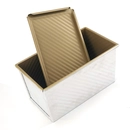
Model number: TSTPMaterial: AluminiumSize: customized size is availableThickness: 1.0mmSurface: non-stick and corrugatedColor: goldenPacking: cartonMOQ: 50pcsFunction: loaf bread baking pan, toast tin for bakery, food factory etc.
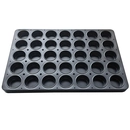
Model number: TSMT Product name: round cupcake tray, round muffin tray, commercial baking tray, baking pan Material: aluminized steel Tray size: 400*600mm, 460*660mm, 600*800mm and any custom size Square mold: multiple sizes for choices and any custom size Thickness: 0.4/0.8mm Surface: non-stick coated Packing: 15pcs/carton MOQ: 100pcs Function: round baking molds for muffin cake, cupcake, brownie cake etc in bakery, restaurant, food factory
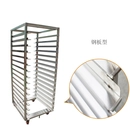
Model Number : TSRSMetal Stainless steel SS 201Type 15-tier stackable rack trolley for 40*60cm bakery pans Size 470*620*H1730mmL shape runner 1.0mm thickness Distance between tiers 80mmTube Size 25*25mm, 1.0mm thicknessStructure Knocked-downWheel Type 4 swivel PVC castors, 2 with brakesCustomized Size AvailablePacking Size 1640*690*H130mmN.W / G.W: 21kg / 24kg
Novice bread makers may ask a question: How do you tell if the dough is fermented or not? At what temperature should dough be fermented? Why does fermentation fail? Many bread failures are due to problems in the fermentation process. If a piece of dough is not well controlled in the fermentation process, it will lead to dough failure in expanding and forming. I believe that many people have encountered such problems. If you pay attention to the following points,you may get twice the result with half the effort in the process of fermentation.
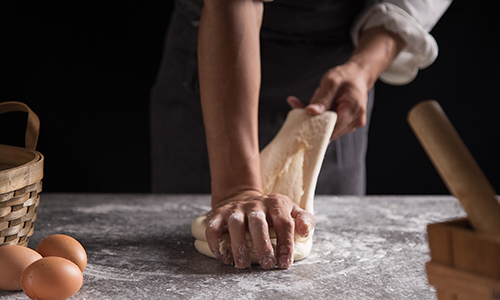
Part One: What is bread fermentation?
Bread fermentation refers to the process of producing carbon dioxide gas from yeast activity, expanding dough, producing aroma components such as alcohol, and adding flavor to bread.
Appropriate temperature for yeast
Yeast is the most active at 1 - 54℃. When the temperature is higher, it has stronger activity and faster growth and reproduction. But when the temperature is higher than 32℃, the taste of bread will not be good. On the contrary, yeast will be in dormancy and its activity decrease in cold environment, resulting in ethanol production. Due to the decrease of yeast activity, bacteria have the opportunity to grow edible sugar and produce acetic acid. The ideal temperature for acetic acid formation is 4-13℃, and lactic acid can be formed at 13-32℃. In comparison, acetic acid makes bread more acidic than lactic acid. But if the acid content is too much, it will have a negative effect.
Fermentation time
Fermentation time is also an important factor in bread fermentation, which determines the taste and color of bread. If the fermentation time is too long, yeasts and bacteria will consume all the sugar in the flour, making the bread colorless and tasteless.
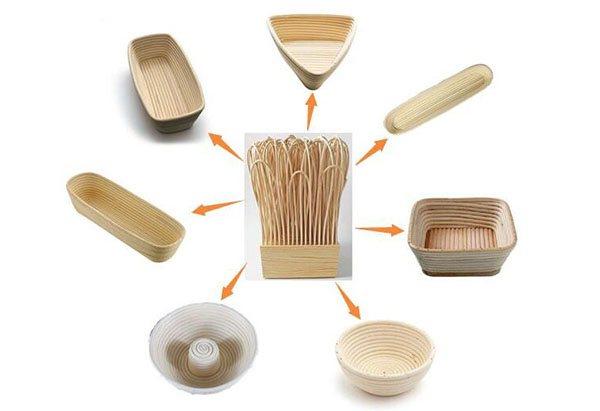
100% natural rattan and handmade banneton for bread fermentation
from Tsingbuy China bread banneton basket factory
Part Two: Temperature affects fermentation
Dough temperature
The optimum dough expansion temperature is from 24 to 27 ℃. If the dough temperature is just about 24 degrees Celsius, the time required for the first fermentation is about 1 to 1.5 hours. For dough with less than average yeast usage, such as French baguette, it may take three hours to expand. Slow expansion can make bread form bigger holes.
The standard temperature of fermented dough is 28-30℃. If there are too many differences, it need to be adjusted. The standard humidity of dough is 70-75%. The dough should be kept relatively wet all the time.
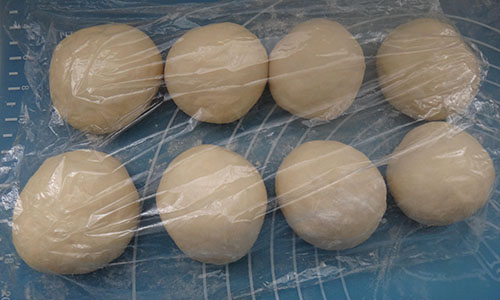
Fermentation ambient temperature
If the ambient temperature is low, but you want to accelerate the expansion rate and do not want to add more yeast (because more yeast will produce a strong yeast flavor, which may mask the taste of wheat), dough expansion temperature can be raised by home-made or purchasing acrylic fermentation box. If you want to raise the temperature of the box, you can put a cup of hot water near boiling and keep the water as far away from the dough as possible. It can also be placed on the electric blanket, and the temperature can be adjusted to low or medium temperature (about 28-30 degrees Celsius).
If room temperature is acceptable, fill a glass of water at room temperature to keep the box moist and prevent the dough surface from drying.
Only open the oven lamp oven, the temperature is exactly 24 - 27℃ which is also suitable for dough fermentation. Put the dough in a bowl, cover it with a fresh-keeping film, and put a cup of water at room temperature, which is also conducive to fermentation.

Round Shape China Banneton Proofing Basket TSBT01-TSBT07
From Tsingbuy China proofing basket manufacturer
Part Three: How to tell if the dough is fermented to its proper benefits or not?
It can be judged by "expansion rate". "Expansion rate" means dough doubled by kneading and finishing.
Why use "expansion rate" to judge?
Because the time of fermentation is closely related to the amount of carbon dioxide produced by yeast activity. The more active yeast is, the more carbon dioxide is produced and the larger the dough volume is. As the bread formula is different, the kneading and finishing conditions are different, and the fermentation environment is different, the only corresponding method can only be "expansion rate". For example, experience shows that if the kneaded and finished dough becomes three times larger and the pressing exhaust can proceed smoothly, then the dough can be fermented to three times larger and the dough state can be ensured.
So how long does it take to triple the expansion rate?
This cannot be generalized. It is more important to observe the fermentation state carefully and try to distinguish it. Now let's talk about how to tell if the dough is fermented or not.
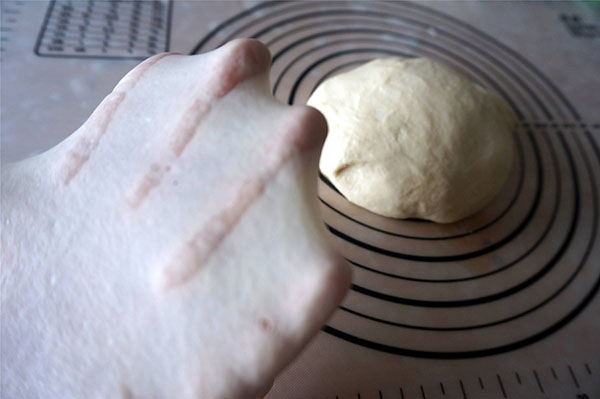
Part Four: Methods to tell dough fermentation
Press small holes with fingers on fermented dough
First dip the index finger in the flour, then insert the index finger into the central part of the fermented dough until the second joint, then quickly pull out the finger, and the trace left in the dough is the information of the fermentation degree.
When the fermentation is insufficient, the elasticity is too strong, it will rebound immediately, and it will quickly return to its original appearance. On the contrary, excessive fermentation will lose its elasticity and shrink directly. If fermented properly, finger traces will remain the same.
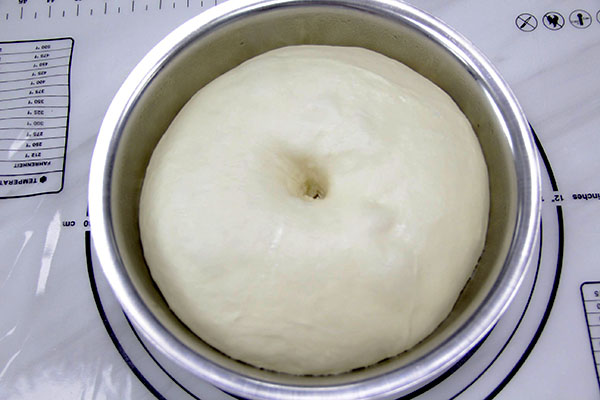
Finger pulp confirmation method
Gently press the dough with the abdomen of five fingers, and confirm the degree of dough fermentation through the traces left by the fingers. Pressing the dough will leave traces on the back and the dough will be soft, then fermentation is moderate. If the surface is wet, dip your finger in the proper amount of flour and check again.
These are some points and methods to judge whether fermentation is good or not and under what conditions fermentation is best. I hope this will be helpful to you.
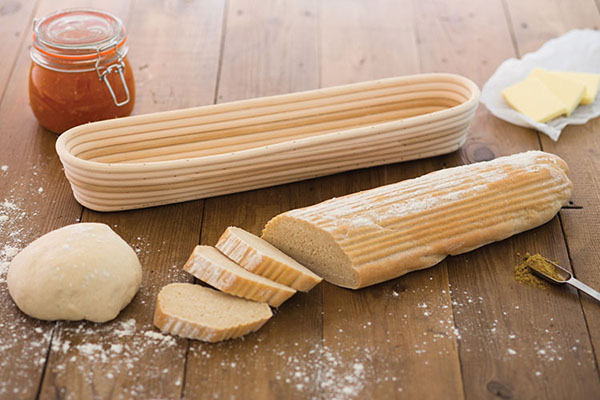
Oval Shape China Banneton Proofing Basket TSBT08-TSBT12
From Tsingbuy rattan banneton basket factory
If you are in the market for bread proofing banneton baskets, don't hesitate to contact me.
Our banneton basket factory supplies 100% natural rattan and handmade baskets in various shapes and sizes.
Customzied banneton basket is also welcomed.