




How to Choose the Right Baking Pans for an Industrial Bakery Production Line
Contents
- 1. Why Baking Pans Matter in an Industrial Bakery Production Line
- 2. Start with the Product You Want to Make
- 3. Match the Baking Pan to the Production Equipment
- 4. Consider the Entire Production Process, Not Just the Oven
- 5. Choose the Right Pan Design and Dimensions
- 6. Select the Appropriate Material
- 7. Consider Pan Thickness and Structural Strength
- 8. Choose the Right Surface and Coating
- 9. Think About Cleaning and Maintenance Before Ordering
- 10. Consider How the Pans Will Be Handled
- 11. Make Sure the Pan Works with the Oven
- 12. Consider the Relationship Between Pan Size and Production Capacity
- 13. Consider Future Expansion and Production Changes
- 14. Why Custom Baking Pans Are Often Better for Industrial Lines
- 15. Work with the Bakeware Manufacturer Early
- 16. Tsingbuy: Customized Bakeware for Commercial and Industrial Production
When a bakery invests in an industrial production line, most attention is naturally given to major equipment such as dough mixers, dividers, molders, proofers, ovens, conveyors, cooling systems, and packaging machines.
However, one important component is sometimes overlooked: the baking pan.
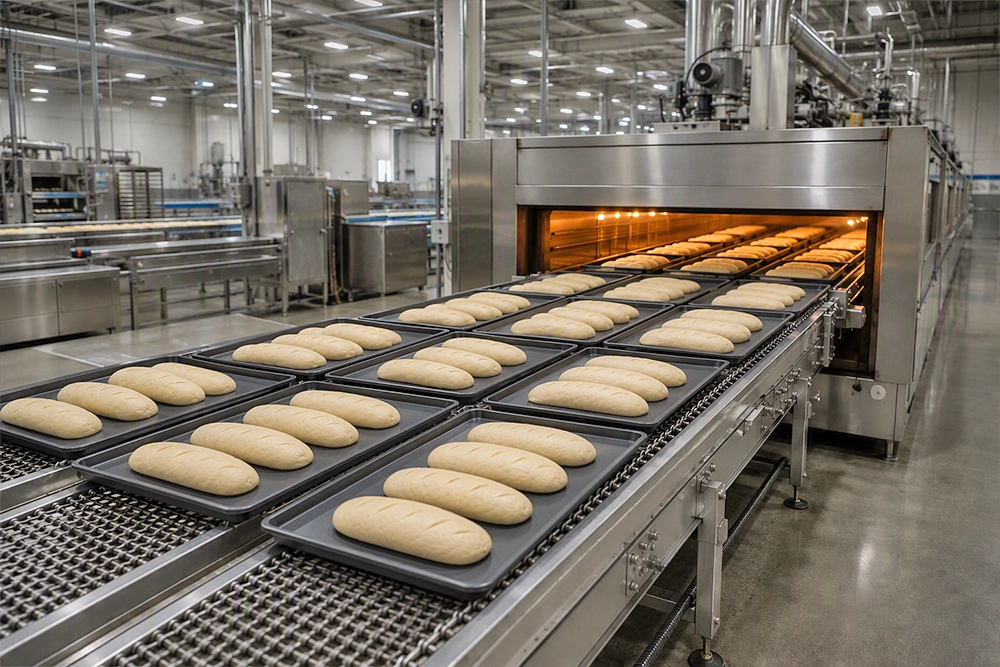
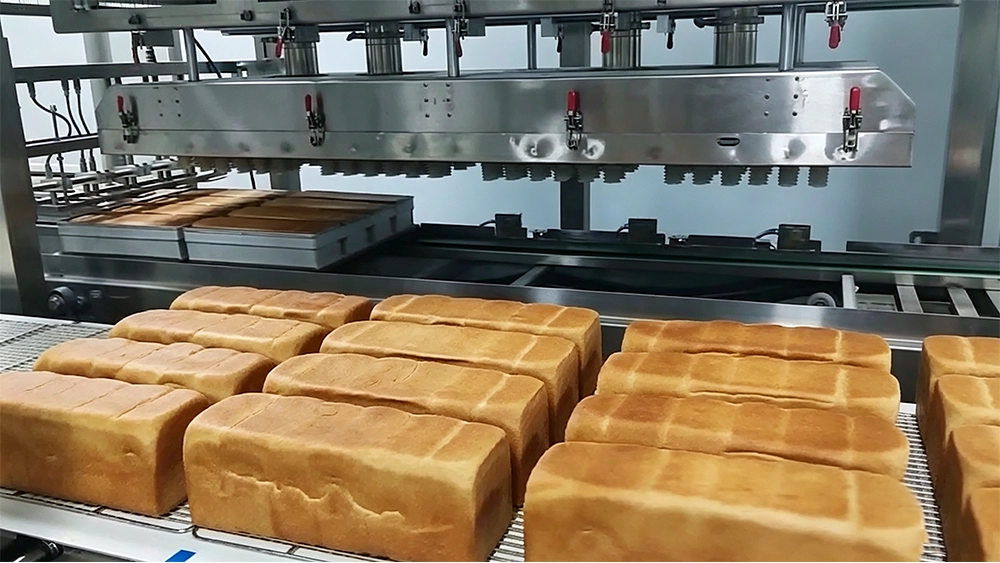
In a modern industrial bakery, a baking pan is much more than a container that holds dough. It can become an integral part of the production system, traveling through multiple stages of the process from panning and proofing to baking, cooling, depanning, cleaning, stacking, and storage.
A pan that works well in a conventional bakery may not necessarily be suitable for an automated production line.
The right choice depends on much more than material or size. Product dimensions, production capacity, oven configuration, conveyor specifications, handling equipment, coating, pan structure, cleaning requirements, and automation compatibility all need to be considered together.
This guide explains the key factors commercial bakeries and food factories should evaluate when selecting baking pans for an industrial bakery production line.
1. Why Baking Pans Matter in an Industrial Bakery Production Line
In a traditional bakery, workers can often manually place, move, remove, and clean baking pans. If a pan is slightly different in size or shape, an operator may be able to compensate manually.
Industrial production is different.
In an automated bakery, pans may move through a series of machines and conveyors with limited manual intervention.
A typical production process might look like:
Dough Mixing → Dividing → Rounding/Forming → Panning → Proofing → Baking → Cooling → Depanning → Pan Cleaning → Stacking
At each stage, the pan needs to interact correctly with the equipment.
For example, the pan may need to:
- Fit correctly on a conveyor
- Enter and exit an oven smoothly
- Maintain its position during transportation
- Match an automatic loading system
- Work with a depanning system
- Be handled by stacking or destacking equipment
- Maintain its shape through repeated heating and cooling cycles
- Withstand frequent cleaning and handling
As an industrial bakery baking pans manufacturer in China, Tsingbuy's experience with custom bakeware for automatic bakery systems shows why customized dimensions, mold arrangements, reinforcement, and coating can become important when pans need to integrate with automated equipment.
Therefore, the correct question is not simply:
“Which baking pan is best?”
A better question is:
“Which baking pan is best for this product, this production process, and this bakery line?”
2. Start with the Product You Want to Make
The first step in selecting a baking pan should always be the finished bakery product.
Different products require different pan designs.
For example:
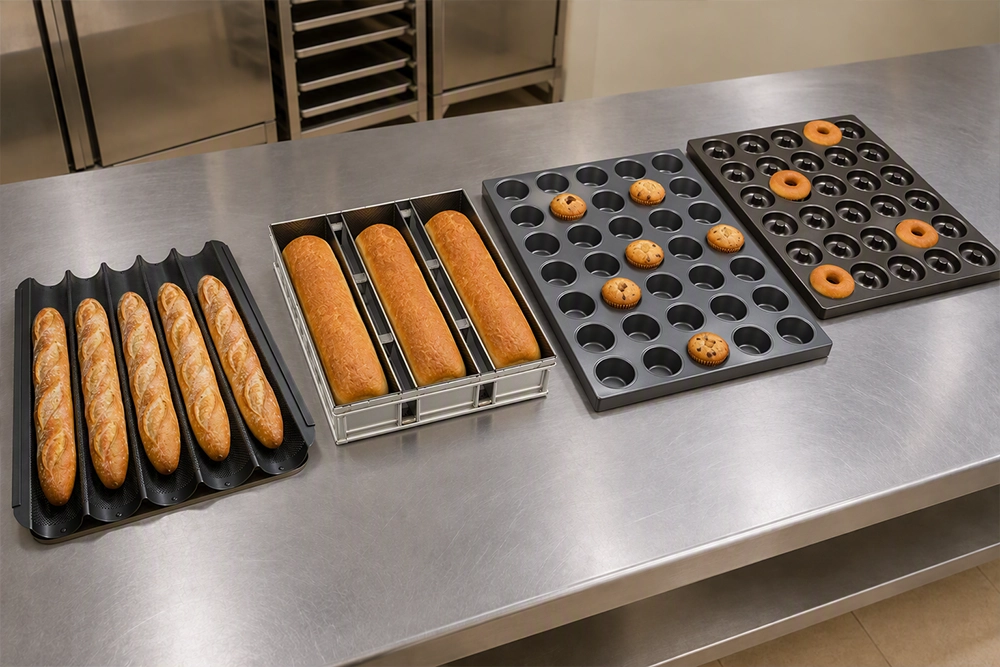
- Sandwich bread may require loaf or strap loaf pans.
- Baguettes require long channels with carefully controlled spacing.
- Hamburger buns may require multi-cavity pans.
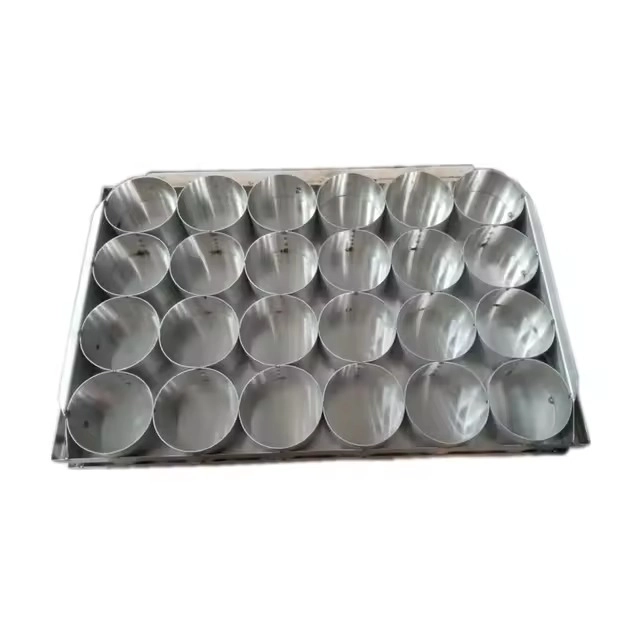
- Muffins and cupcakes require multi-mold pans.
- Donuts require specially shaped cavities.
- Cookies and biscuits may use flat sheet pans.
- Cakes may require round, square, rectangular, or specialty molds.
The product determines the fundamental geometry of the pan.
Consider the following product specifications:
Finished product dimensions
What are the required length, width, height, and diameter?
Piece weight
How much dough will be placed in each cavity?
Number of pieces per pan
How many products should be produced on one tray?
Product spacing
How much space is required between individual pieces?
Desired shape
Does the product require a defined mold shape or can it spread freely?
Production capacity
How many pieces per hour must the line produce?
These factors determine the number of cavities, cavity dimensions, spacing, and overall pan configuration.
For high-volume production, a small change in cavity layout can have a significant effect on total output.
3. Match the Baking Pan to the Production Equipment
Once the product requirements are established, the next step is to examine the production equipment.
This is where industrial pan selection differs most significantly from ordinary commercial bakeware selection.
A pan may need to work with:
- Automatic dough depositors
- Dough dividers
- Dough molders
- Panning machines
- Conveyors
- Proofing systems
- Rack or rotary ovens
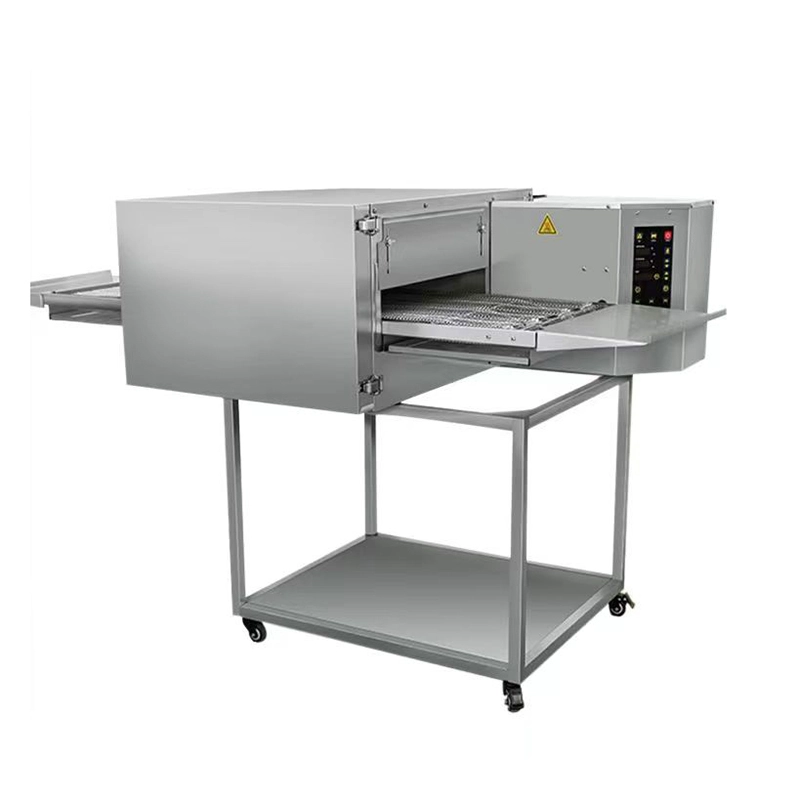
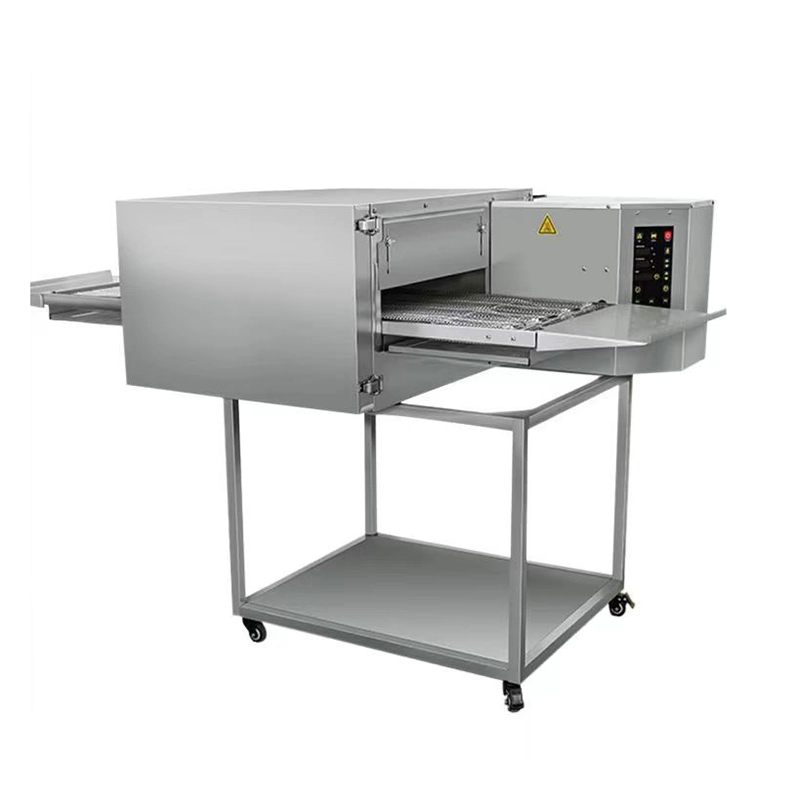
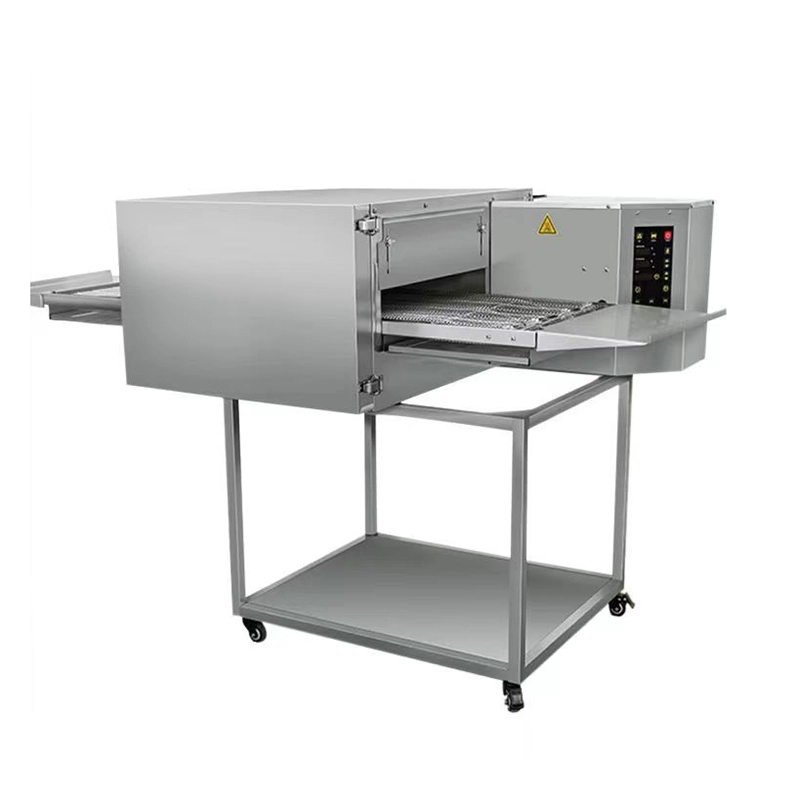
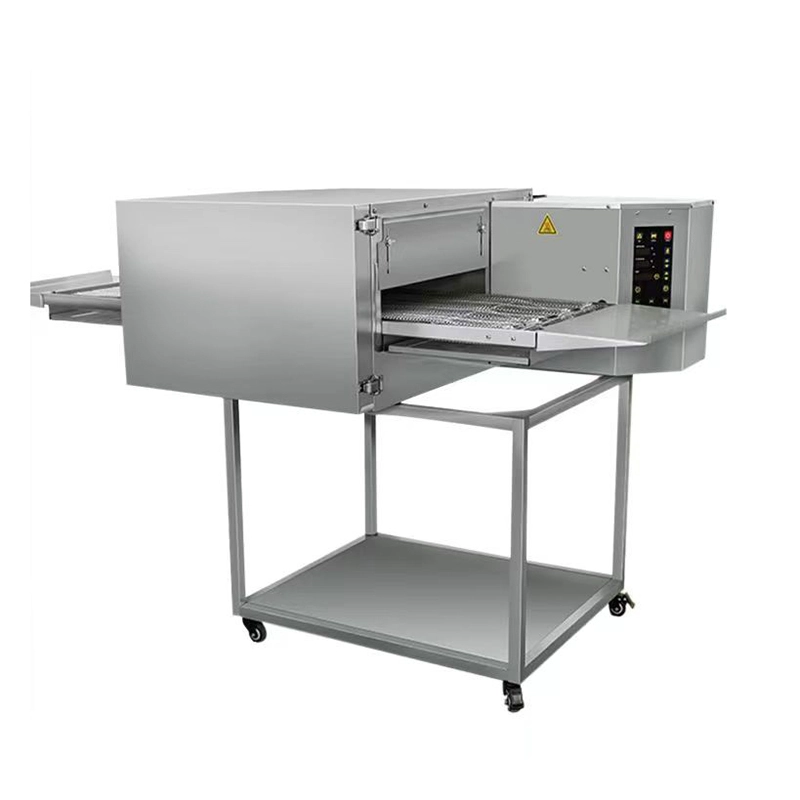
- Tunnel ovens
- Cooling conveyors
- Depanning machines
- Pan washing systems
- Automatic stacking systems
The pan should therefore be treated as an interface between the product and the machinery.
Important dimensions to confirm
Before ordering custom pans, the bakery should confirm:
- Overall pan length
- Overall pan width
- Pan height
- Cavity dimensions
- Cavity spacing
- Rim dimensions
- Corner radius
- Conveyor contact points
- Loading direction
- Unloading direction
- Stacking requirements
A pan that is only slightly different from the required equipment dimensions may cause positioning problems, interference, or inefficient handling.
For this reason, a professional bakeware manufacturer should ideally review the customer's machinery specifications before finalizing a custom pan design.
4. Consider the Entire Production Process, Not Just the Oven
It is easy to focus on whether a baking pan physically fits inside the oven.
However, an industrial pan may spend much more time outside the oven than inside it.
The pan may be:
Loaded → transported → proofed → baked → cooled → depanned → cleaned → transported → stored → reused
Every stage can create different requirements.
During loading: The pan should allow accurate and repeatable placement of dough.
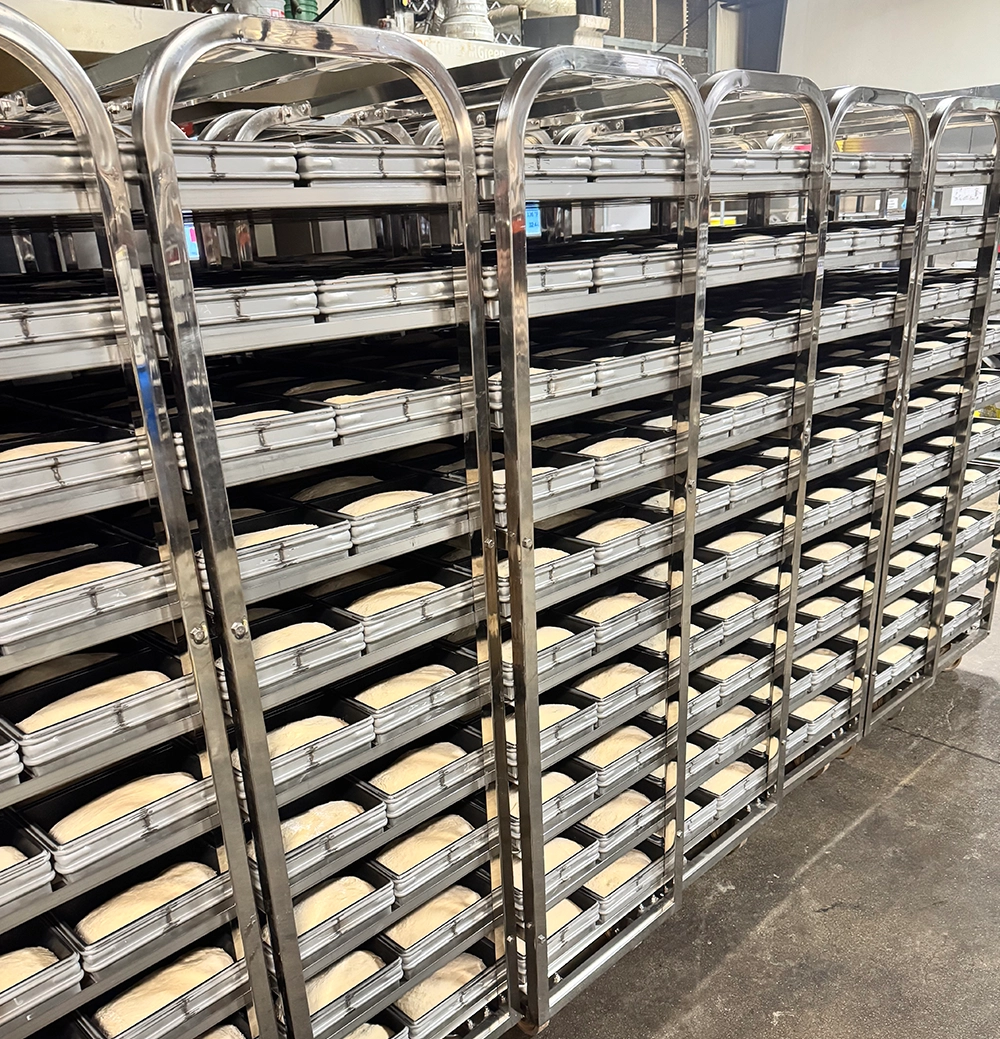
During proofing: The pan must maintain its dimensional stability while the dough develops.
During baking: The pan must withstand the specified baking temperature and provide appropriate thermal performance.
During cooling: The pan may experience repeated temperature changes.
During depanning: The product should be released efficiently without unnecessary damage to the pan or coating.
During cleaning: The pan must be compatible with the bakery's cleaning process.
During stacking: The pan should be designed to minimize unnecessary contact, deformation, or coating damage.
This is why industrial pan selection should be considered as a complete lifecycle, rather than an isolated baking operation.
5. Choose the Right Pan Design and Dimensions
Once the product and production system are understood, the pan's physical design can be determined.
Important design elements include:
Overall dimensions: The length and width should match the production equipment and required product output.
Cavity arrangement: For multi-mold pans, the number and arrangement of cavities should be optimized for both product requirements and machine handling.
Cavity shape and depth: The mold should correspond to the desired finished product dimensions.
Spacing: Adequate spacing can help provide consistent product shape and accommodate dough expansion.
Rim and edge structure: The rim needs to provide sufficient rigidity and safe handling while remaining compatible with automated equipment.
Corner design: Corner geometry can influence cleaning, handling, stacking, and equipment compatibility.
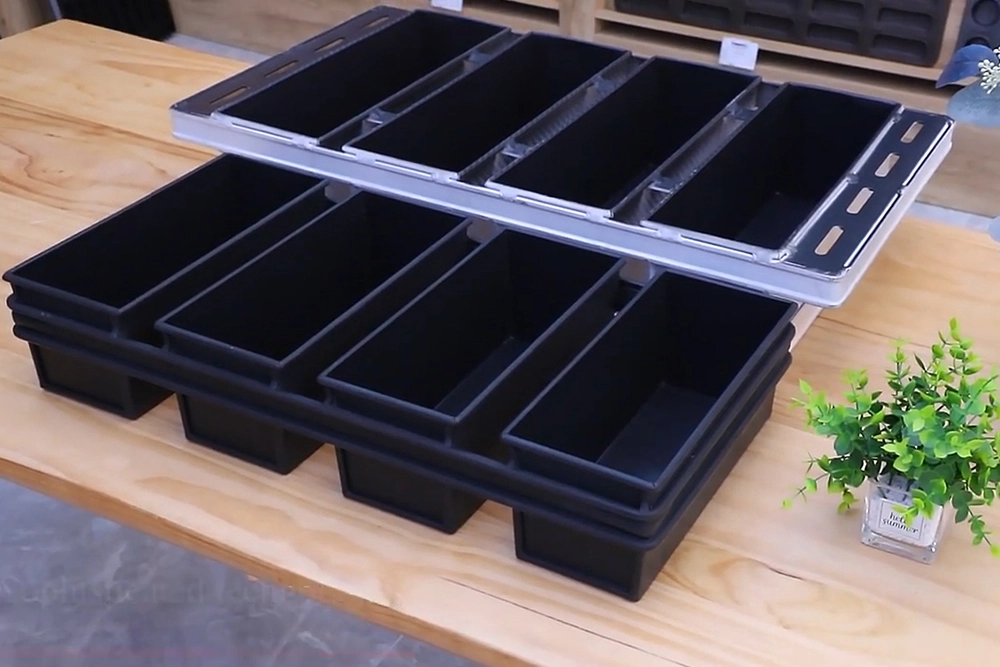
Reinforcement: Large industrial pans or pans used continuously in automated systems may require reinforced edges, frames, or other structural solutions.
Tsingbuy's existing industrial pan work includes reinforced structures and customized dimensions for high-speed automatic lines, particularly where deformation resistance and machine compatibility are important.
6. Select the Appropriate Material
Material selection remains important, but it should be considered in relation to the complete production environment.
Common commercial and industrial bakeware materials include:
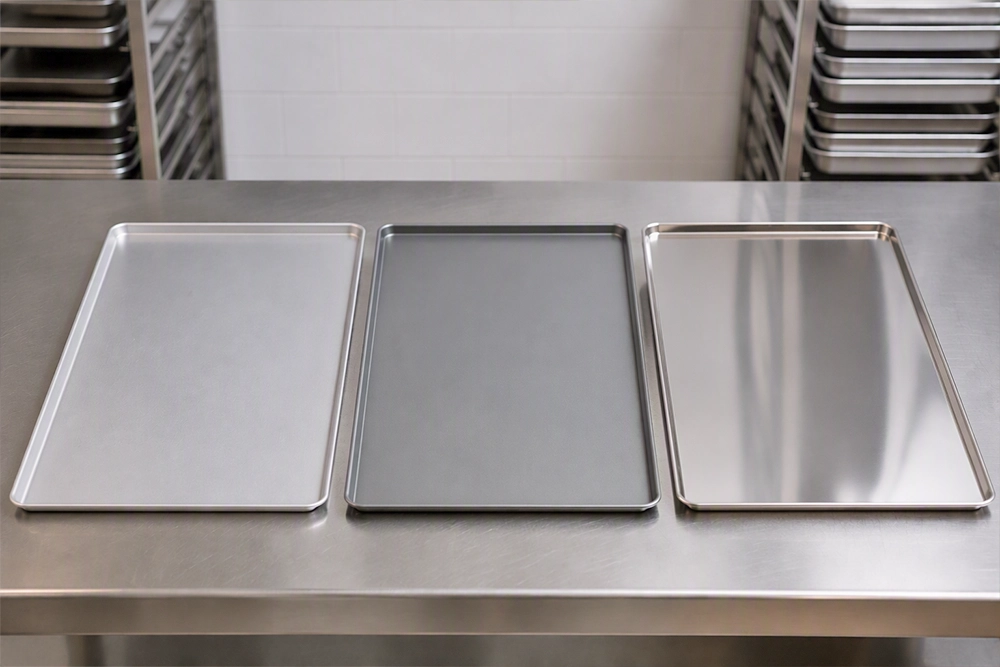
- Aluminum
- Aluminized steel
- Stainless steel
Each material provides different combinations of heat response, strength, weight, corrosion resistance, durability, and cost.
For example, aluminum is valued for its relatively low weight and good thermal conductivity, while aluminized steel can provide a useful combination of strength and baking performance. Stainless steel may be selected when corrosion resistance and structural durability are particularly important.
However, there is no universally best material for every bakery application.
The appropriate choice depends on:
- Product type
- Oven temperature
- Production frequency
- Pan dimensions
- Mechanical loading
- Cleaning method
- Required service life
- Automation requirements
- Budget
The material should therefore be selected after the production requirements have been defined, rather than simply choosing the most expensive option.
7. Consider Pan Thickness and Structural Strength
Industrial baking pans are repeatedly exposed to:
- High temperatures
- Cooling cycles
- Mechanical handling
- Stacking
- Transportation
- Cleaning
- Repeated loading and unloading
Therefore, structural strength is an important consideration.
The appropriate thickness depends on the material, pan dimensions, design, reinforcement, product weight, and intended application.
A large pan used continuously in an industrial production system may require a different structural design from a small manual-use baking tray.
Why structural stability matters
A pan that gradually bends or deforms may create problems with:
- Conveyor movement
- Automatic loading
- Depanning
- Stacking
- Oven positioning
- Product consistency
This is particularly important for large-format industrial pans.
For example, Tsingbuy manufactures large customized baguette pans and other industrial formats with dimensions and structures designed around specific production requirements.
The goal should not simply be to make the pan thicker.
The goal is to achieve the right balance between strength, weight, thermal performance, cost, and machine compatibility.
8. Choose the Right Surface and Coating
For many bakery products, surface treatment is another major consideration.
Depending on the application, a pan may be supplied with:
- PTFE non-stick coating
- Silicone coating
- Anodized surface
- Uncoated metal
A suitable non-stick coating can improve product release and reduce cleaning requirements.
However, coating selection should be based on the actual bakery application.
Consider:
- Product formulation
- Sugar and fat content
- Baking temperature
- Required release performance
- Cleaning method
- Expected production cycles
- Handling conditions
For example, products containing high levels of sugar may have different coating requirements from basic bread products.
Tsingbuy currently provides different coating solutions for commercial baking trays and has published technical guidance on the selection and maintenance of non-stick coatings.
Most importantly, coating should not be considered independently from pan design. The substrate material, surface preparation, coating system, application process, and operating conditions all contribute to long-term performance.
9. Think About Cleaning and Maintenance Before Ordering
Cleaning is sometimes treated as an afterthought when purchasing baking pans.
For an industrial bakery, it should be considered during the initial design stage.
Ask:
- How will the pans be cleaned?
- Will cleaning be manual or automated?
- What detergent will be used?
- What water temperature will be used?
- Will the pans be soaked?
- Will mechanical brushes be used?
- How will the pans be dried?
- How will they be stored after cleaning?
These factors can affect the appropriate material, coating, edge structure, and overall pan design.
For PTFE-coated pans in particular, proper cleaning and handling are important for preserving the coating. Tsingbuy's own maintenance guidance recommends avoiding sharp or abrasive tools and using appropriate cleaning methods.
For an automated bakery, the cleaning process should ideally be considered together with the pan manufacturer and equipment supplier.
10. Consider How the Pans Will Be Handled
A baking pan may be manually handled dozens or hundreds of times during its service life—or may be transported automatically throughout the factory.
Handling requirements should therefore influence pan design.
Manual handling
Consider: Pan weight, Grip, Edge safety, Stacking, Ease of carrying
Automated handling
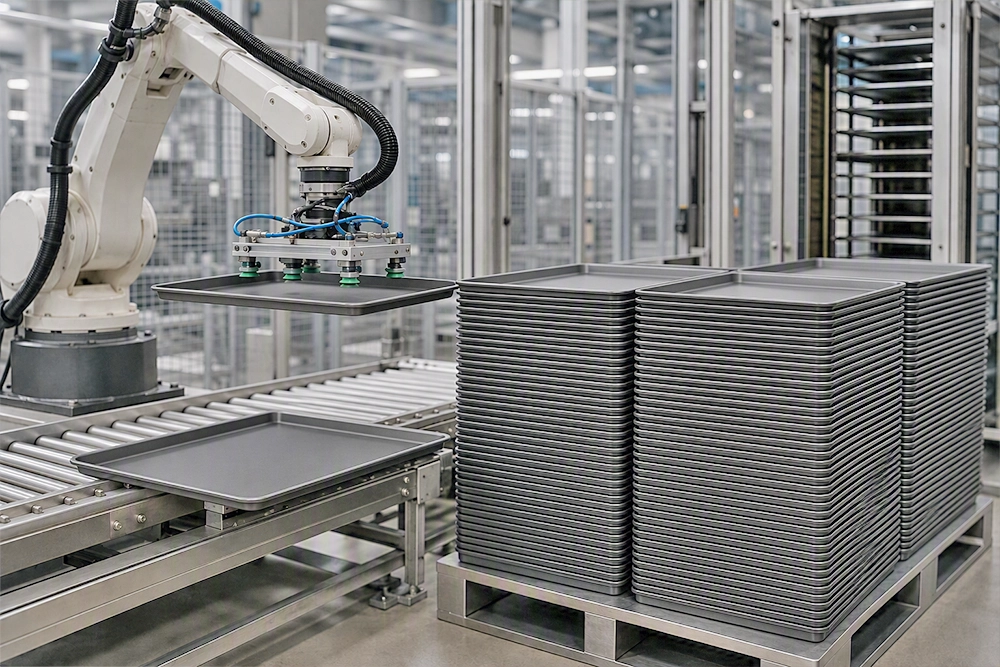
Consider: Positioning accuracy, Conveyor interface, Pan orientation, Stacking, Destacking, Robotic handling, Depanning, Transfer points
For automatic systems, consistency between pans is particularly important. If every pan has the same dimensions and structure, automated equipment can operate with predictable positioning. This is one reason why precision manufacturing becomes increasingly important as bakery automation increases.
11. Make Sure the Pan Works with the Oven
The oven is obviously one of the most important pieces of equipment to consider. However, the question is not simply: “Will the pan fit inside the oven?”
You should also consider:
- Oven type
- Rack dimensions
- Conveyor width
- Loading direction
- Baking temperature
- Airflow
- Steam requirements
- Pan spacing
- Product density
- Baking cycle
- Heat distribution
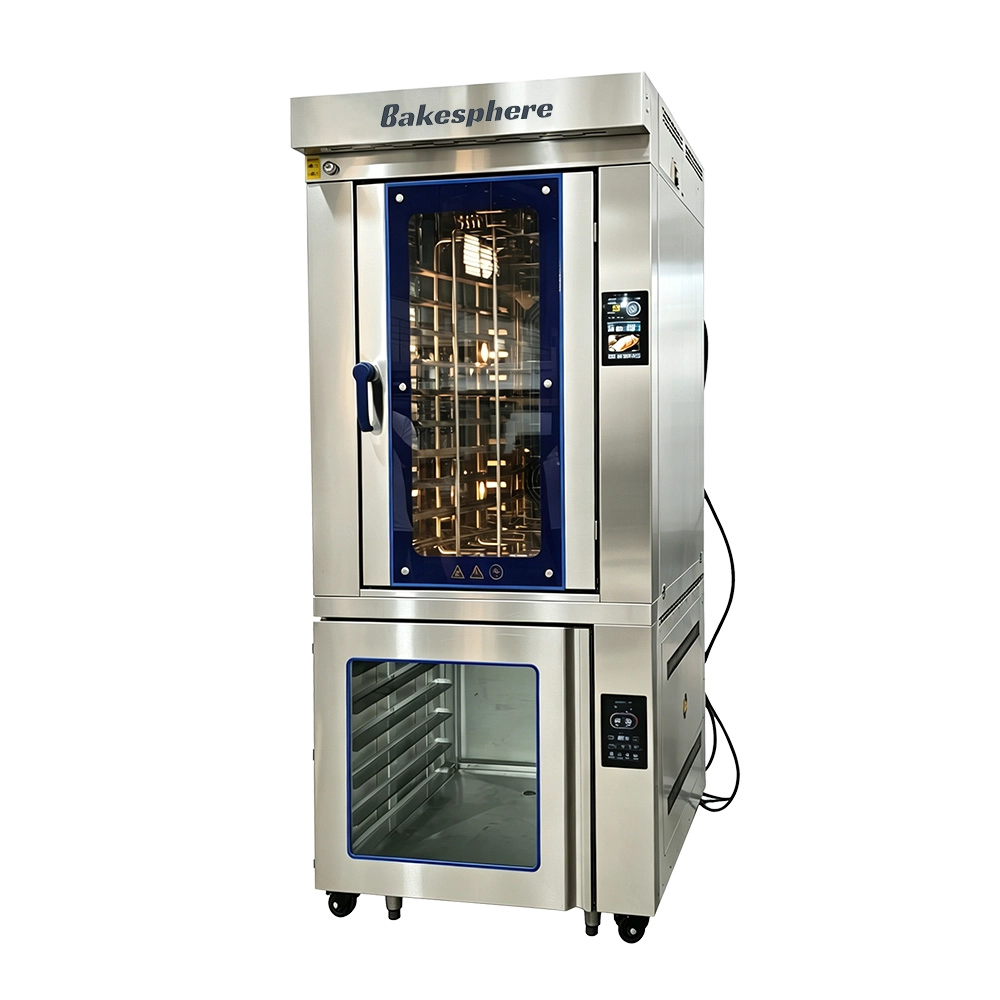
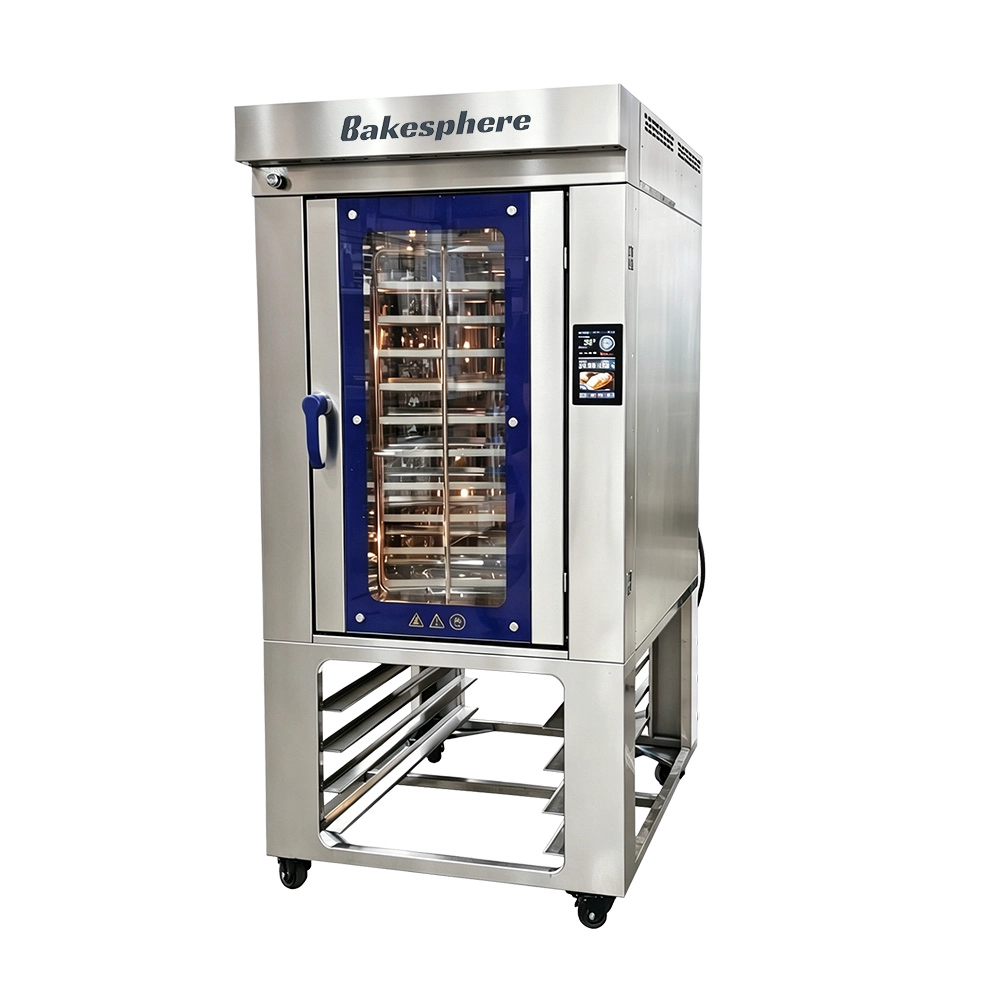
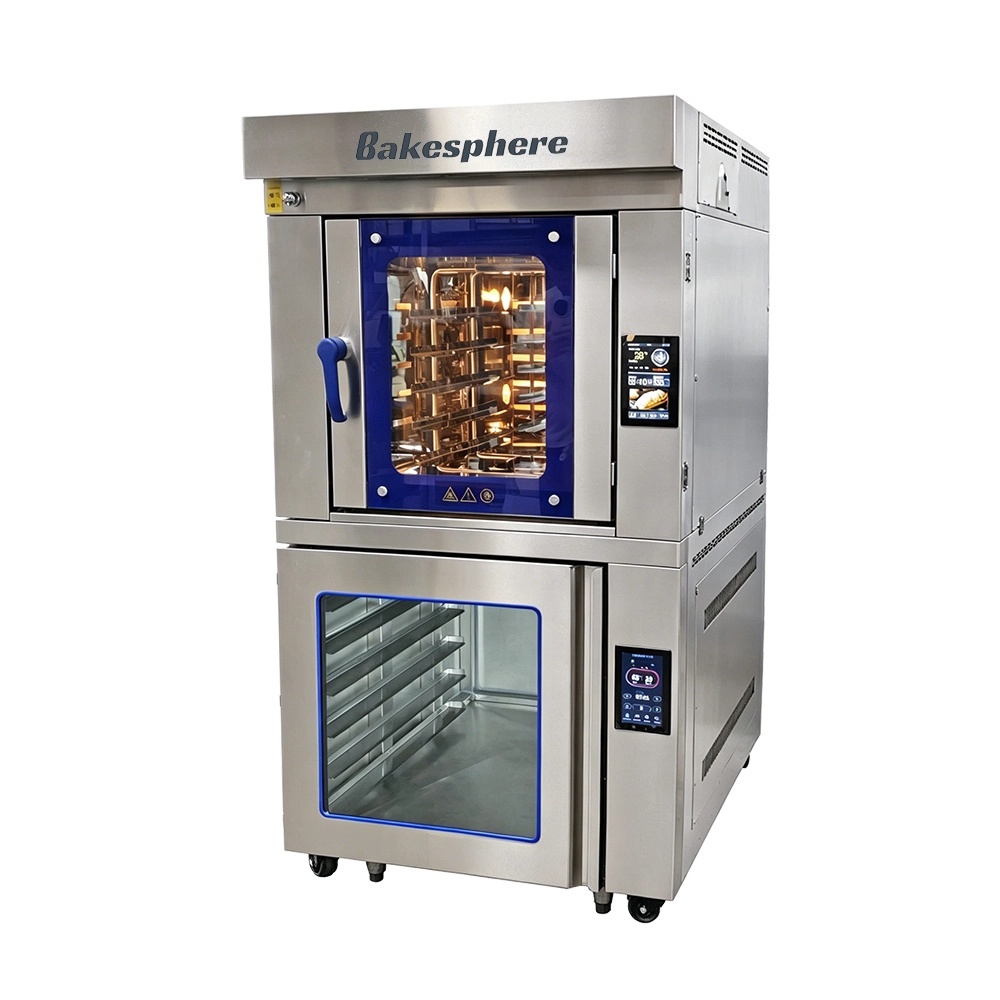
For convection and tunnel baking systems, airflow around the product and pan can be particularly important. The pan design should therefore be evaluated together with the oven's operating conditions and the bakery's recipe. A pan that works well in one oven configuration may not produce exactly the same results in another.
12. Consider the Relationship Between Pan Size and Production Capacity
Production capacity is another key consideration.
Suppose a bakery needs to produce 10,000 pieces per hour. The number of pieces produced per pan, the number of pans circulating through the system, the baking cycle, proofing time, and equipment speed all affect the required pan quantity.
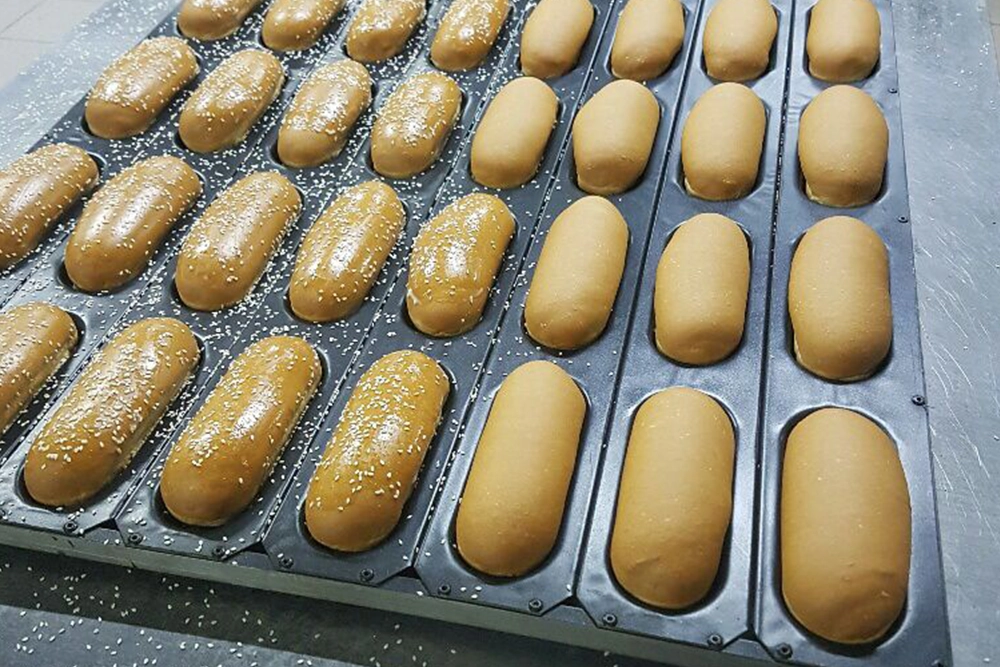
For multi-mold products, increasing the number of cavities per pan can increase output per cycle. But higher mold density is not automatically better.
The bakery must also consider:
- Product expansion
- Airflow
- Product spacing
- Loading accuracy
- Baking uniformity
- Depanning
- Pan weight
- Machine handling
The ideal configuration is therefore a balance between output, product quality, machine capability, and operational reliability.
13. Consider Future Expansion and Production Changes
An industrial bakery may use the same production line for many years.
When choosing custom pans, it can therefore be useful to consider future requirements.
For example:
- Will production volume increase?
- Will another product be added?
- Will the bakery upgrade the oven?
- Will an automatic depanning system be installed later?
- Will the cleaning process become automated?
- Will the pan need to be compatible with another production line?
Planning for future requirements can sometimes prevent unnecessary redesign and replacement.
This is particularly relevant when ordering large quantities of customized industrial pans.
14. Why Custom Baking Pans Are Often Better for Industrial Lines
Standard baking pans are convenient for conventional bakery operations.
But industrial production lines often have specific requirements that standard products cannot fully satisfy.
A customized pan can be designed around:
- Exact machine dimensions
- Product specifications
- Mold count
- Cavity arrangement
- Conveyor requirements
- Oven dimensions
- Depanning system
- Stacking method
- Material
- Thickness
- Coating
- Reinforcement
As a custom baking pans supplier in China, Tsingbuy provides ODM and OEM bakeware solutions for commercial bakeries and industrial production systems, including customized multi-mold pans, loaf pans, baguette pans, and other baking formats. The purpose of customization should not simply be to make a pan with a different size. The real objective is to create a baking pan that works as a reliable component within the customer's production system.
15. Work with the Bakeware Manufacturer Early
One of the most effective ways to avoid problems is to involve the bakeware manufacturer before the production line is finalized.
Rather than purchasing the pans after all machinery has already been installed, it is often better to coordinate the pan specifications with the equipment supplier during the planning stage.
The three parties should ideally confirm:
Bakery → Product & Production Requirements
Equipment Supplier → Machine & Handling Requirements
Bakeware Manufacturer → Pan Design & Manufacturing Requirements
When these specifications are aligned, the final baking pan can be designed to fit the entire production process more effectively.
16. Tsingbuy: Customized Bakeware for Commercial and Industrial Production
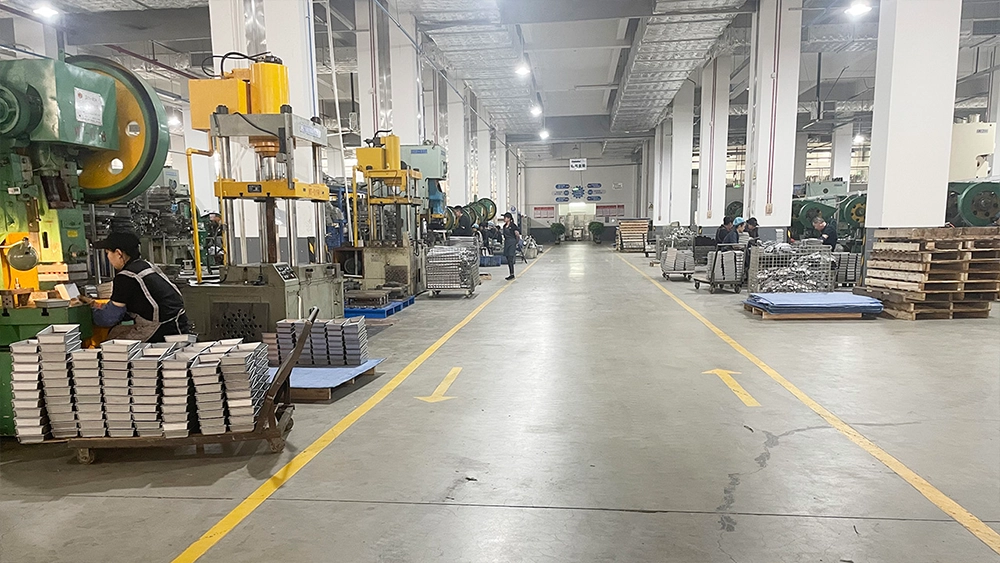
Tsingbuy has been manufacturing commercial and industrial bakeware since 2006, serving bakeries, food factories, restaurants, wholesalers, distributors, and customers developing automated production systems.
At Tsingbuy commercial baking trays factory in China, our product range includes:
- Baking sheet pans
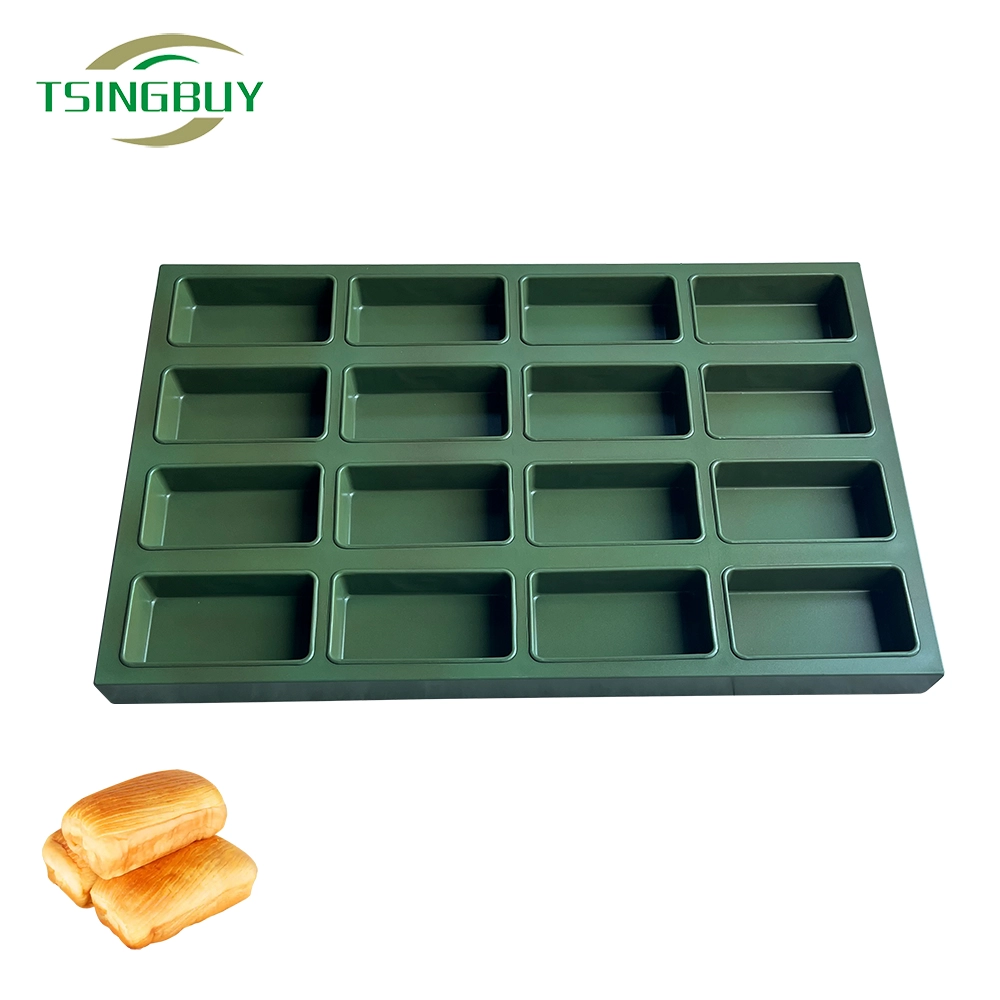
- Loaf pans
- Strap loaf pans
- Baguette pans
- Hamburger bun pans
- Muffin and cupcake pans
- Donut pans
- Madeleine pans
- Cake pans
- Perforated baking trays
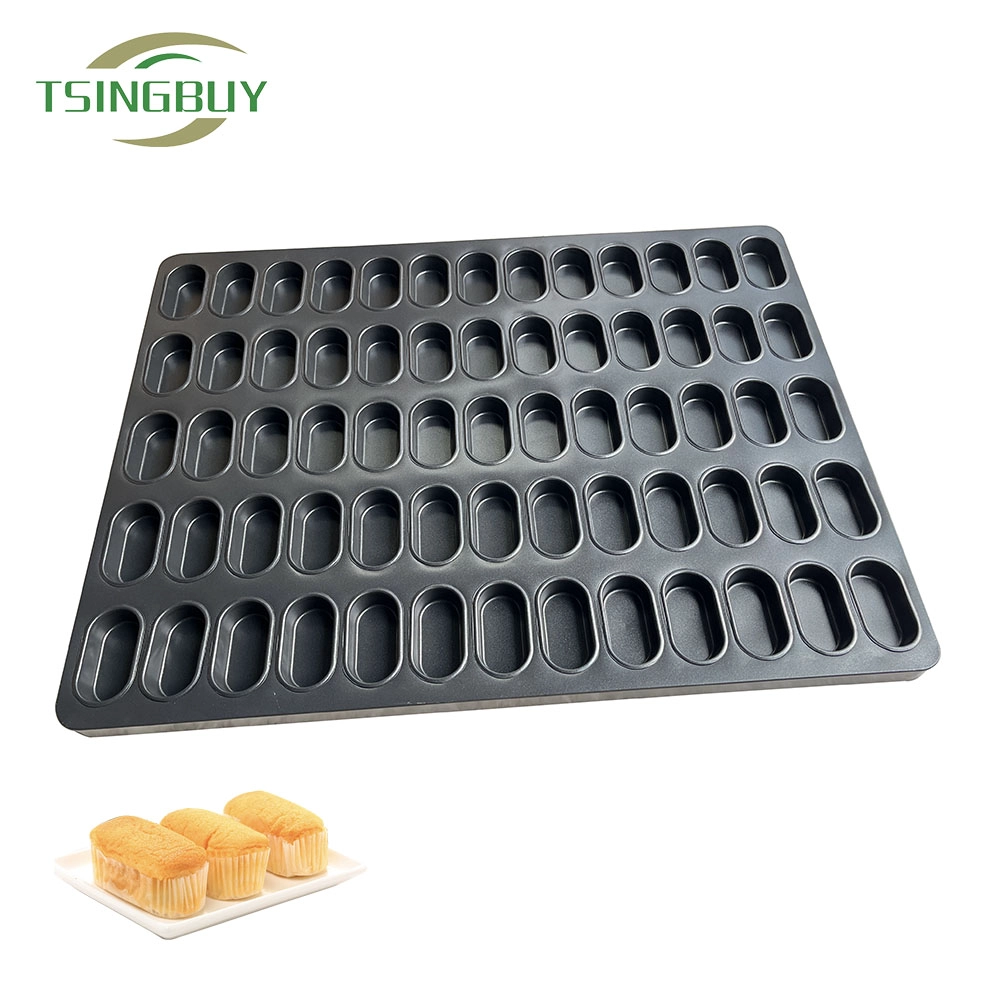
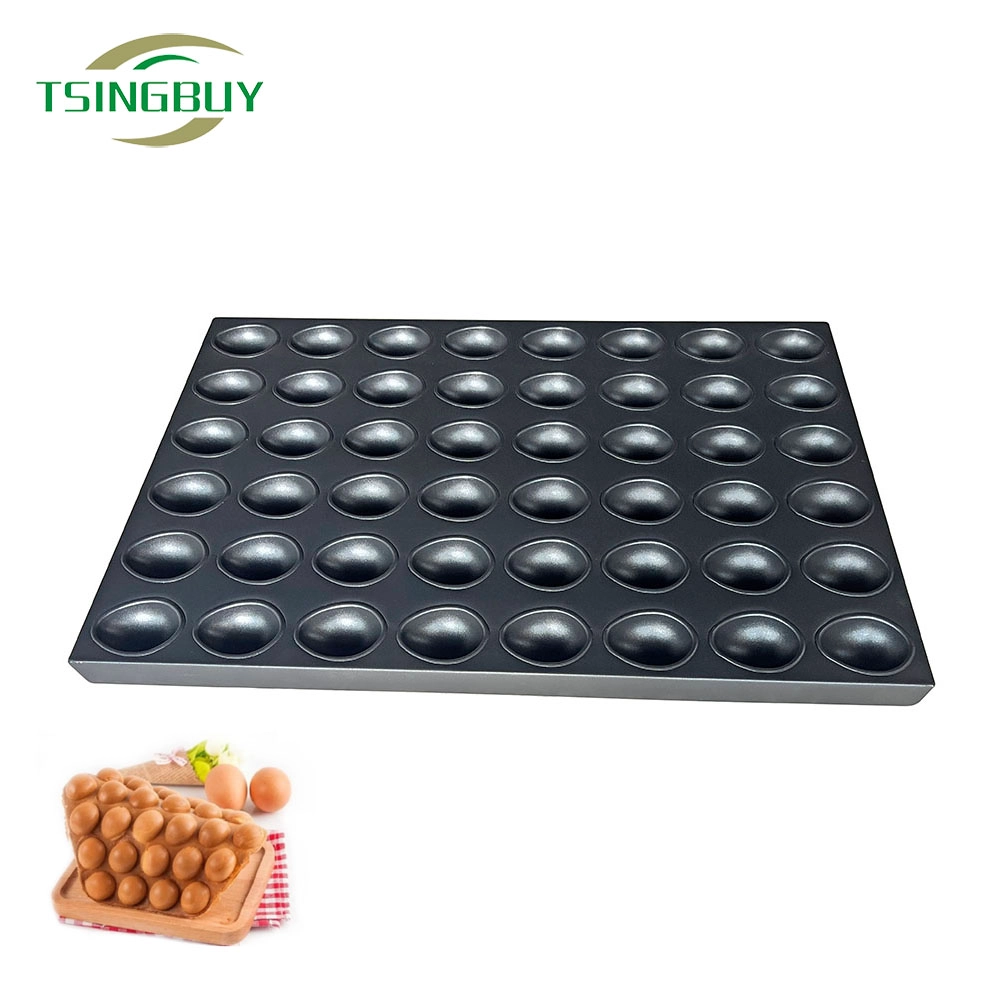
- Custom multi-mold pans
- Other customized industrial bakeware
For customers with special production requirements, Tsingbuy provides ODM & OEM customization, including dimensions, mold configuration, material, thickness, coating, reinforcement, and other structural specifications.
Our experience with industrial and automated bakeware includes large-format baguette pans, customized multi-mold pans, and baking trays designed around specific machinery and production requirements.
The design process can begin with the customer's:
Product → Production Capacity → Machinery → Pan Specifications → Prototype/Sample → Mass Production
This approach helps ensure that the baking pan is not treated as an independent accessory, but as an integrated component of the bakery's production system.