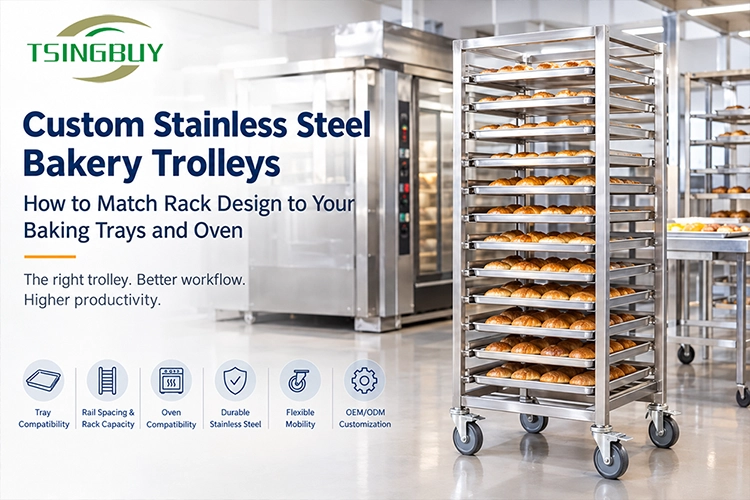


Custom Stainless Steel Bakery Trolleys: How to Match Rack Design to Your Baking Trays and Oven
Content
1. Why Bakery Trolley Design Needs More Than Standard Dimensions
2. Start with Baking Tray Dimensions: The Foundation of Trolley Design
3. Rail Spacing and Rack Capacity: Balancing Productivity and Usability
4. Matching the Bakery Trolley to Your Oven and Production Line
5. Stainless Steel Grade, Frame Structure, and Load Capacity
6. Choosing the Right Casters and Mobility Features
7. Detachable vs. Fully Welded Bakery Trolleys
8. Custom Stainless Steel Bakery Trolleys: What Can Be Customized?
9. What Information Should You Provide When Ordering a Custom Bakery Trolley?
10. Customized Bakery Trolley Solutions for Commercial Baking
In commercial bakeries and industrial food production facilities, a bakery trolley is more than a tool for moving baking trays. It plays an important role in tray handling, production organization, workspace utilization, and the smooth operation of the baking process.
However, choosing the right stainless steel bakery trolley involves more than selecting a standard size. Tray dimensions, rail spacing, rack capacity, oven compatibility, frame construction, and caster specifications all affect how well a trolley performs in daily operations.
For bakeries and food factories with specific production requirements, a standard trolley may not always provide the best fit. A customized solution can help match the trolley to existing baking trays, equipment, and workflow.
In this guide, Tsingbuy bakery trolley manufacturer in China explain the key factors to consider when designing a custom stainless steel bakery trolley and how to choose a configuration that meets your operational needs.
1. Why Bakery Trolley Design Needs More Than Standard Dimensions
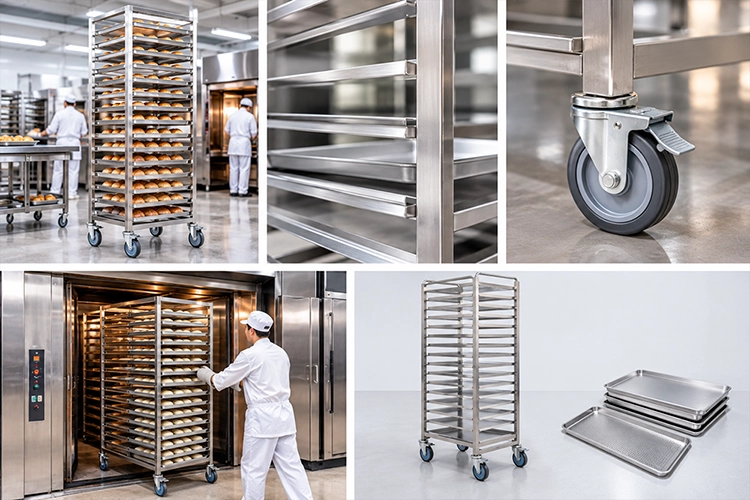
Stainless steel bakery trolleys are widely used in commercial bakeries, food factories, hotel kitchens, and other foodservice environments. They help operators transport, organize, and temporarily store baking trays throughout the production process.
Although overall dimensions are important, they do not determine whether a trolley is suitable for a particular application.
For example, a trolley may fit into the available workspace but still be unsuitable because its rails do not match the baking trays. A rack with too little vertical clearance may not accommodate taller products, while an oversized trolley may be difficult to maneuver through an oven entrance or production area.
Other factors, such as the required load capacity, caster performance, and operating temperature, also need to be considered.
A practical trolley design should therefore begin with three questions:
- What baking trays and products will the trolley accommodate?
- What equipment and workspace will the trolley be used with?
- What capacity, mobility, and structural features are required for daily production?
Answering these questions before confirming the trolley dimensions helps reduce compatibility problems and makes it easier to develop a suitable customized solution.
2. Start with Baking Tray Dimensions: The Foundation of Trolley Design
The first step in designing a custom bakery trolley is to confirm the dimensions and structural features of the baking trays it will hold.
2.1 Confirm Tray Length, Width, and Edge Design
Commercial baking trays are available in different sizes to suit various baking processes and production equipment. A 400 × 600 mm tray, for example, is a common format used in commercial baking applications, while other dimensions may be required for specific ovens, production lines, or product types.
The trolley must be designed around the actual tray specifications rather than relying on nominal dimensions alone.
Important details include:
- Tray length and width
- Tray depth and edge height
- Folded or reinforced edges
- Tray loading direction
- Available clearance between the tray and the trolley frame
The tray's edge design is particularly important because it affects how the tray rests on the support rails. Two trays with similar overall dimensions may require different support arrangements if their edges or profiles differ.
Before ordering a customized trolley, provide the supplier with the tray dimensions and, if possible, a photograph or technical drawing.
2.2 Choose the Right Runner or Rail Structure
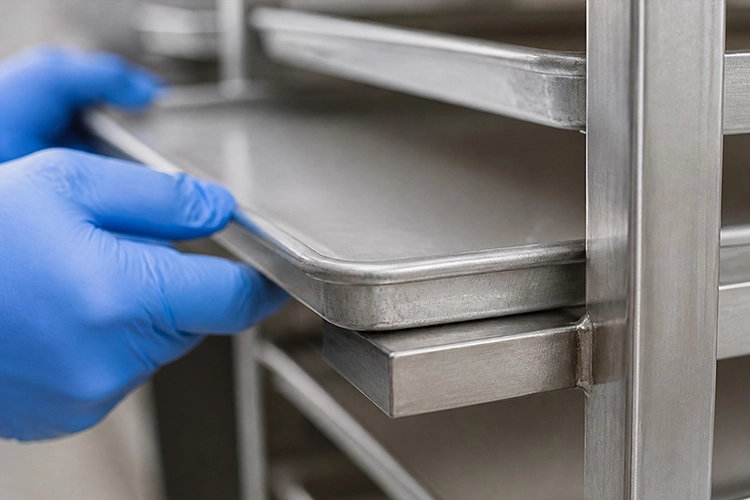
The rail system supports the baking trays and allows operators to slide them into and out of the trolley.
Common designs include L-shaped runners and other rail configurations selected according to the tray profile and intended application.
When determining the rail structure, consider the following factors:
Rail positioning: The rails must align with the tray's supporting edges.
Support depth: The tray should rest securely on the rails during loading, transportation, and unloading.
Clearance: The tray should slide smoothly without excessive friction or unnecessary movement.
Structural stability: The support system should be suitable for the expected load and handling conditions.
The exact rail dimensions and positioning should be confirmed against the actual trays. This is especially important when the trolley will be used frequently or integrated into a repetitive production process.
2.3 Avoid Common Tray-to-Rack Compatibility Problems
Poor compatibility between baking trays and trolley rails can cause unnecessary handling difficulties.
Common problems include trays that cannot slide into the rack smoothly, trays that move excessively during transportation, and trays that do not sit evenly on their supports.
Using multiple tray sizes on one trolley can introduce additional challenges. In some cases, a shared trolley configuration may work; in others, separate rail arrangements may be more practical.
For customized projects, confirming the tray specifications before manufacturing is one of the simplest ways to reduce these risks.
3. Rail Spacing and Rack Capacity: Balancing Productivity and Usability
Once the tray dimensions are confirmed, the next step is to determine the rail spacing and total number of tiers.
These two factors directly influence the trolley's capacity and suitability for different products.
3.1 How to Determine the Right Rail Spacing
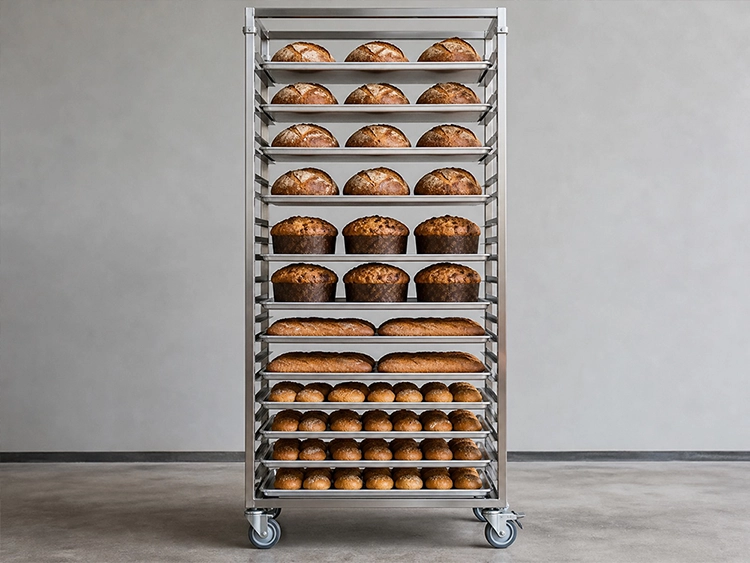
Rail spacing refers to the vertical distance between adjacent tray-support levels.
The appropriate spacing depends on the dimensions of the baking trays, the height of the products, and the way the trolley is used.
For example, a trolley designed for relatively flat bakery products may require a different configuration from one used for tall loaves or products that expand significantly during baking or proofing.
When determining rail spacing, consider:
- The height of the product on each tray
- The tray's depth and edge profile
- The clearance needed for loading and unloading
- The intended production or handling process
- Any additional space required by the equipment or operating procedure
The goal is to provide enough clearance for practical handling without wasting vertical space.
3.2 More Tiers or More Clearance?
Increasing the number of tiers allows a trolley to accommodate more trays within a given height. However, more tiers are not always the best solution.
If the vertical clearance is insufficient, operators may find it difficult to load and remove trays. Taller products may not fit properly, and the rack may be unsuitable for the intended application.
Conversely, excessive spacing can reduce the number of trays a trolley can hold.
The best configuration balances tray capacity, product dimensions, accessibility, and the overall trolley height.
Rather than selecting the maximum possible number of tiers, buyers should determine the configuration that supports their actual production requirements.
3.3 Match Rack Capacity to Daily Production
The required rack capacity depends on how many trays need to be transported or stored during each production cycle.
A small commercial bakery may prioritize easy maneuverability and a compact footprint. A large food factory may need to handle more trays per trip to support a higher production volume.
Before specifying the number of tiers, consider:
- The number of trays used per batch
- The number of trays handled during each production cycle
- The frequency of trolley movement
- Available storage and maneuvering space
- The overall loaded weight
Custom configurations can be discussed for different tier quantities, including 10-tier, 15-tier, or 20-tier arrangements, where suitable for the required dimensions and structural design.
The final configuration should be confirmed according to tray size, trolley height, load requirements, and the intended working environment.
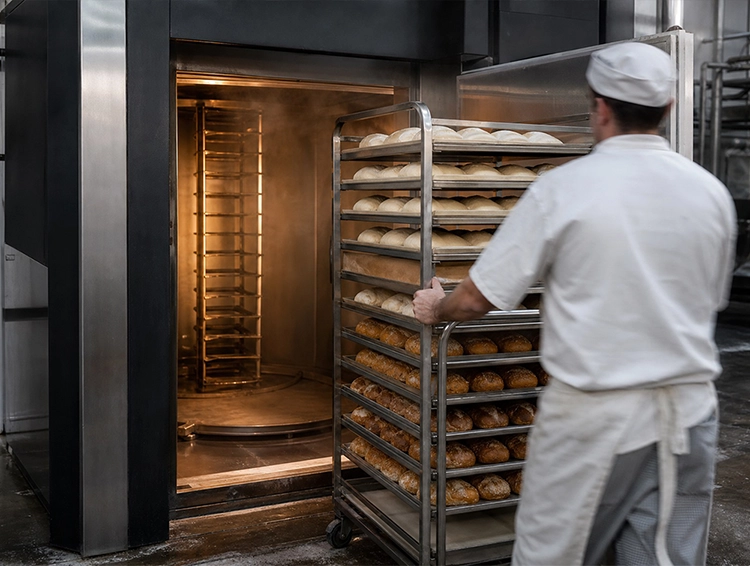
4. Matching the Bakery Trolley to Your Oven and Production Line
A bakery trolley should fit not only the trays but also the equipment and workspace in which it will operate.
This is particularly important when the trolley needs to work alongside rotary ovens, proofing equipment, cooling areas, or other production machinery.
4.1 Check the Oven's Internal Dimensions
If a trolley needs to enter an oven, its dimensions and structure must be compatible with the oven's internal space and loading arrangement.
Check the following:
- Available internal width, depth, and height
- The oven's trolley guide or support structure
- The required clearance around the trolley
- Any restrictions specified by the oven manufacturer
- Whether the trolley is intended for in-oven use or only for transportation
A trolley that physically fits inside an oven is not necessarily suitable for operating at the oven's temperature.
Before using any trolley inside a heated oven, confirm that the frame, casters, wheels, connections, and other components are appropriate for the intended temperature and operating conditions.
If the trolley is only used to move trays between workstations, the design priorities may be different.
4.2 Measure the Oven Entrance and Access Route
The oven's internal dimensions are only part of the compatibility check. The trolley must also pass through the entrance and move safely through the facility.
Measure the entrance width and height, taking account of any door frames, handles, or other obstructions.
It is also important to consider the route between the oven and the loading area. Narrow corridors, sharp turns, uneven floors, and limited maneuvering space can affect the practical trolley dimensions.
A trolley that is too wide or too tall for the access route may create handling difficulties even if it meets the oven's internal specifications.
4.3 Consider Compatibility with Other Equipment
In many bakeries, trolleys move between several work areas rather than serving a single machine.
They may be used for transporting trays to proofing equipment, moving baked products to cooling areas, organizing trays before production, or supporting temporary storage.
When planning a customized trolley, consider the complete workflow:
- Where are trays loaded onto the trolley?
- Which equipment does the trolley need to work with?
- How far must it travel?
- Where will it be parked or stored?
- Does it need to fit beneath work surfaces or pass through restricted spaces?
Providing equipment model numbers, technical drawings, or photographs can help the supplier understand these requirements before the trolley design is finalized.
5. Stainless Steel Grade, Frame Structure, and Load Capacity
Material selection and structural design are important considerations when purchasing a stainless steel bakery trolley.
Tsingbuy bread trolley factory in China will suggest the right choice depending on the working environment, expected load, cleaning procedures, and intended service conditions.
5.1 Stainless Steel 201 vs. 304
SS201 and SS304 are two stainless steel grades that may be considered for bakery trolley applications.
SS201 can be an option for certain applications where budget and operating conditions are suitable. SS304 is often considered where greater corrosion resistance is required, particularly in environments involving frequent cleaning or exposure to moisture.
However, material selection should not be based on grade alone. The actual environment, cleaning chemicals, exposure to corrosive substances, and maintenance practices all influence performance.
When choosing a material, consider:
- The humidity and moisture levels in the working area
- The frequency and method of cleaning
- Exposure to cleaning agents or other corrosive substances
- The required service life and maintenance expectations
- Budget and project specifications
For food-related applications, also confirm the material and surface finish requirements appropriate to the intended use.
5.2 Frame Design, Tube Thickness, and Welding
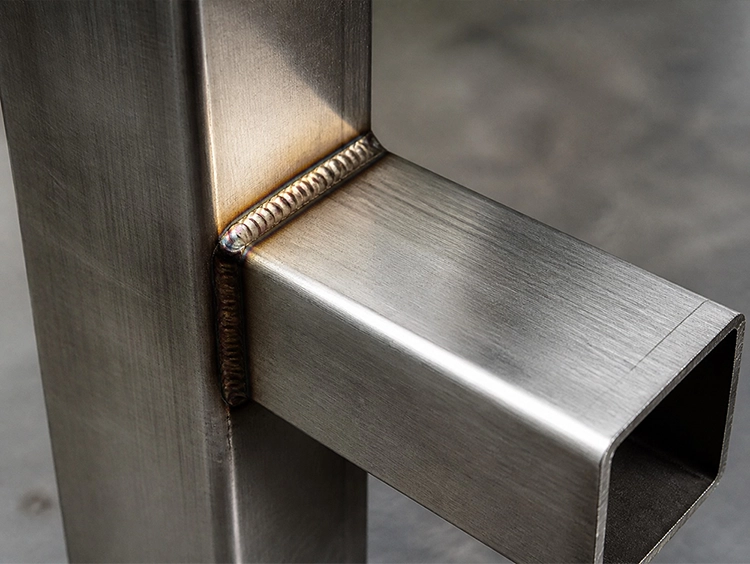
A trolley's overall stability depends on its complete structural design, not simply on the stainless steel grade.
Relevant factors include frame geometry, tube dimensions, support positioning, joint design, and manufacturing quality.
A suitable frame should support the expected load while maintaining stability during ordinary handling.
Welded joints and connections should be appropriate for the design and intended use. Surface finishing should also be considered, especially where cleaning and hygiene are important.
Tube thickness is one factor in structural performance, but a thicker tube does not automatically guarantee a higher safe load capacity. The overall frame design, joints, load distribution, and caster specifications must be evaluated together.
5.3 Calculate the Required Load Capacity
Before confirming a trolley design, estimate the total load it will carry.
The calculation should include the weight of the trays, the products on the trays, and any other items that will be transported.
For example, if a trolley holds multiple loaded trays, the total load can be estimated by adding the weight of all loaded trays. The design must then be evaluated against the expected distribution of that load and the conditions under which the trolley will be moved.
Important considerations include:
- Total loaded weight
- Distribution of weight across the rack
- Frequency of movement
- Floor condition and possible obstacles
- Caster load ratings and mounting arrangements
- Handling practices and operating conditions
The trolley's rated capacity should be confirmed through appropriate structural and component specifications rather than estimated from its appearance or material thickness alone.
6. Choosing the Right Casters and Mobility Features
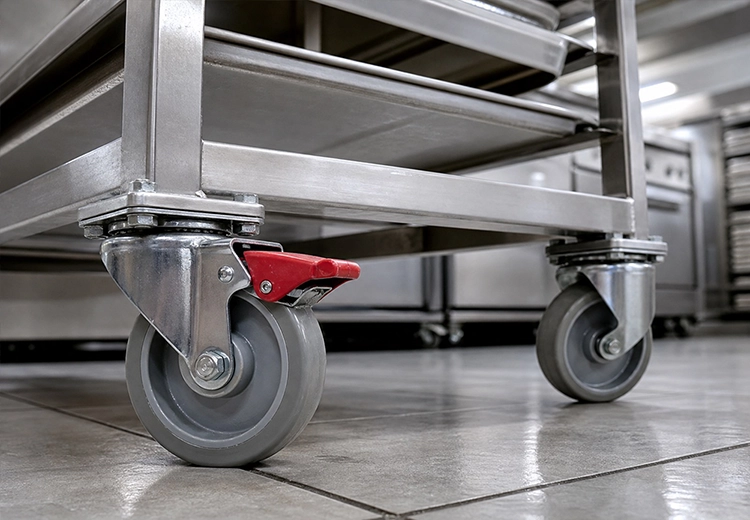
Casters influence how easily a bakery trolley can be moved, positioned, and secured.
The appropriate configuration depends on the load, floor surface, movement frequency, and operating environment.
6.1 Caster Selection for Different Working Environments
When selecting casters, consider the type of floor on which the trolley will operate.
Smooth indoor floors may require different wheel characteristics from floors with joints, rough surfaces, or frequent changes in level.
Other factors include:
- The total loaded weight
- The frequency of trolley movement
- Turning requirements and available space
- Noise and floor protection considerations
- Cleaning conditions and moisture exposure
Swivel casters can help with maneuverability, while brake-equipped casters can help keep a trolley stationary during loading and unloading.
The final configuration should suit the working environment and expected load.
6.2 Consider Temperature and Operating Conditions
Not all casters or trolley components are suitable for high-temperature applications.
A trolley used only to move trays around a room has different requirements from one intended to enter a heated oven.
For high-temperature applications, the suitability of the wheels, bearings, frame, fasteners, and other components must be confirmed for the intended operating temperature and exposure duration.
Do not assume that a trolley is oven-safe simply because its frame is made of stainless steel. Always verify the specifications of the complete assembly and the requirements of the equipment manufacturer.
6.3 Make Daily Handling Easier and Safer
The trolley should be easy for operators to push, turn, position, and park under normal working conditions.
Its overall width, height, handle arrangement, caster configuration, and turning space should be considered together.
Where the trolley is frequently loaded or unloaded, suitable brakes and a stable design can help improve handling.
For custom projects, these details should be discussed before production so that the trolley supports the actual workflow rather than requiring operators to adapt to an unsuitable design.
7. Detachable vs. Fully Welded Bakery Trolleys
The construction method is another important consideration when ordering a customized stainless steel bakery trolley.
Detachable and fully welded designs can both be suitable, depending on transportation requirements, operating conditions, and customer preferences.
7.1 Detachable or Knocked-Down Structures
A detachable trolley can be disassembled for transportation and assembled at the destination.
This arrangement may be useful for export orders, where packaging volume and shipping efficiency are important considerations.
Potential advantages include:
- Reduced packaging volume, depending on the design
- Easier transportation in a knocked-down configuration
- Convenient storage of unassembled units
- Flexibility for certain installation requirements
However, the connection design, assembly process, and structural stability must be considered. Buyers should also confirm whether assembly instructions and the necessary hardware will be provided.
7.2 Fully Welded Structures
A fully welded trolley is manufactured as an integrated structure.
This option may be suitable for customers who prefer a ready-to-use unit without on-site assembly.
When evaluating a welded trolley, consider its overall dimensions, transportation arrangements, packaging requirements, and access for maintenance.
A fully welded structure may require more space during shipping than a detachable design, depending on the trolley dimensions and packaging method.
7.3 How to Choose Between the Two
Neither construction method is universally better.
A detachable design may be more appropriate when shipping volume and assembly arrangements are major considerations. A fully welded design may be preferred when the customer wants an integrated unit delivered ready for use.
The choice should be based on the intended application, transportation requirements, expected handling conditions, and customer preferences.
8. Custom Stainless Steel Bakery Trolleys: What Can Be Customized?
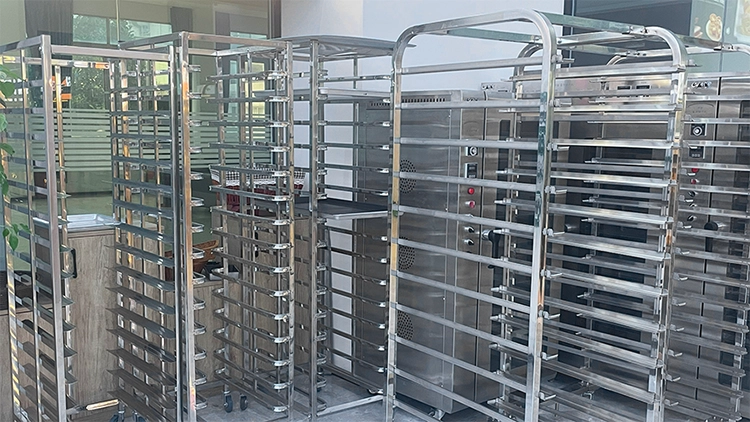
Standard bakery trolleys may meet general requirements, but customized designs provide more flexibility when a business has specific tray dimensions, equipment constraints, or production processes.
As a commercial bakeware manufacturer, Tsingbuy offers customized bakery trolley solutions based on project requirements.
Depending on the application, customization may cover the following areas.
Trolley dimensions: Length, width, and height can be discussed according to available workspace, tray specifications, and equipment requirements.
Tray compatibility: Rail positioning and support design can be developed around the customer's baking trays, including the tray dimensions and edge profile.
Rack configuration: The number of tiers and vertical spacing can be adjusted according to product height, tray capacity, and handling needs.
Material selection: Stainless steel grade and other agreed material specifications can be considered according to the working environment and project requirements.
Frame structure: Tube specifications, frame configuration, and structural details can be discussed based on the required capacity and intended use.
Casters and mobility: Wheel type, size, braking arrangements, and other mobility features can be selected according to floor conditions, load, and operating requirements.
Construction method: Detachable or fully welded structures may be considered according to shipping, assembly, and usage preferences.
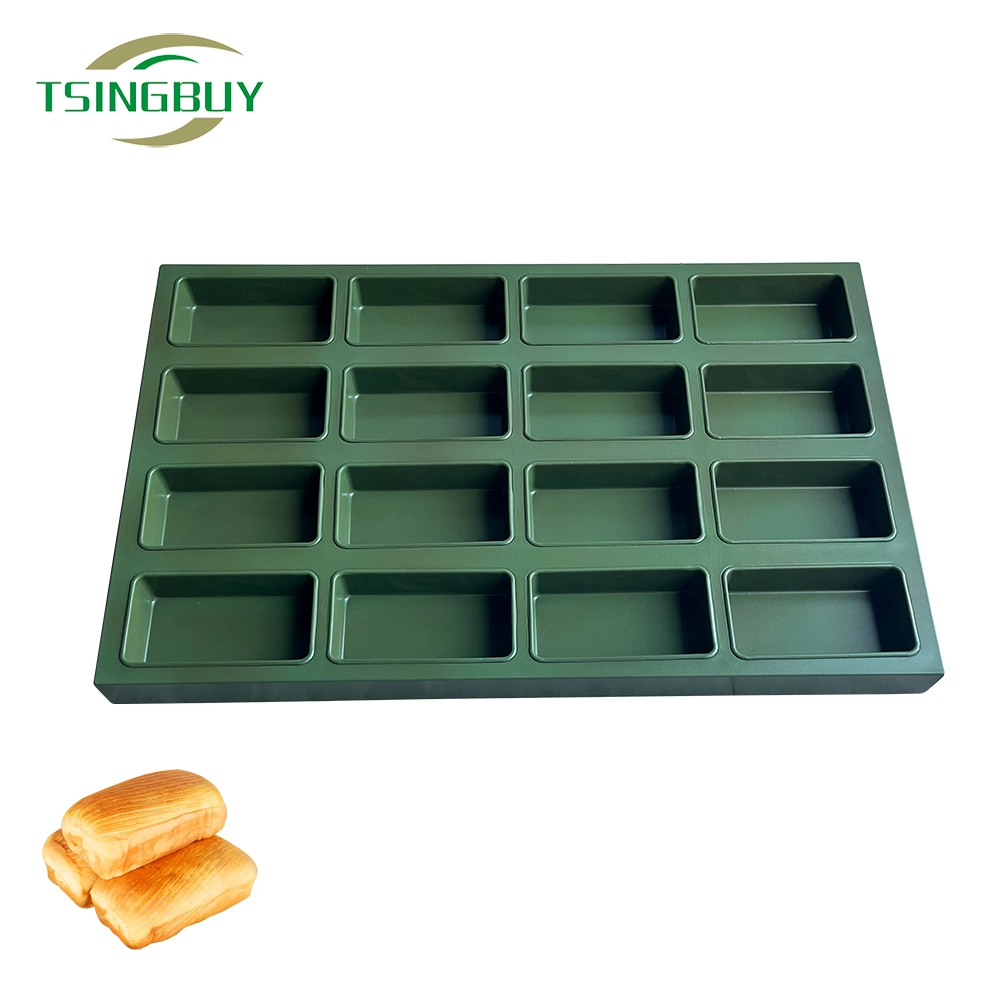
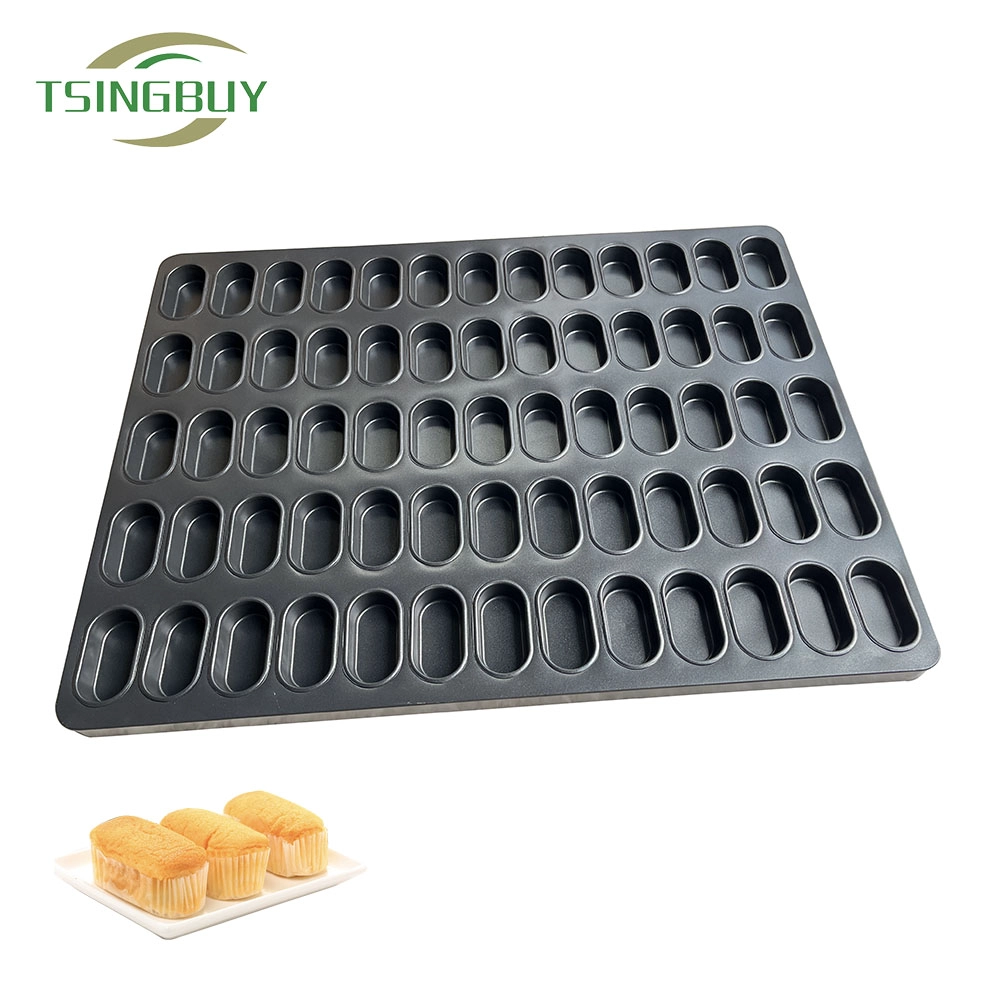
Matching baking trays: Where required, trolley design can be discussed alongside compatible aluminum, aluminized steel, or stainless steel baking trays.
OEM requirements: Branding, packaging, and other project-specific requirements can be confirmed during the inquiry and specification process.
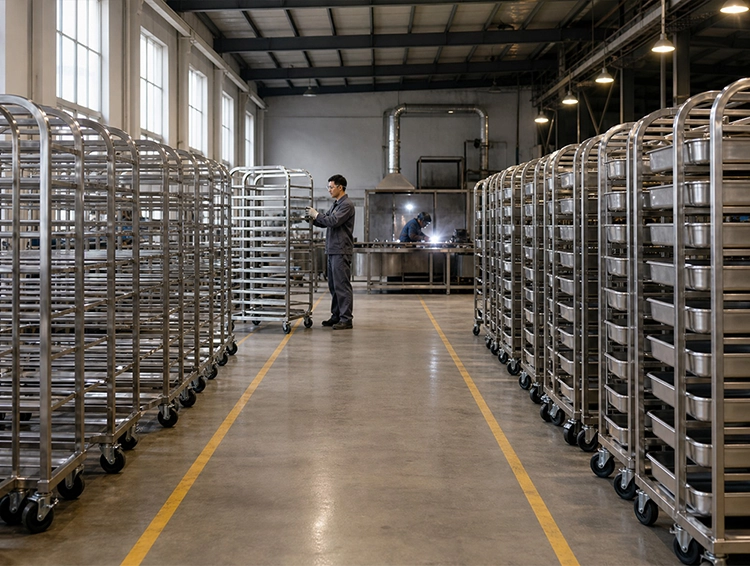
The main advantage of customization is that the trolley can be planned around the customer's existing equipment and workflow. Rather than selecting a trolley first and trying to adapt the production process to it, buyers can define the requirements in advance and discuss a more suitable configuration.
9. What Information Should You Provide When Ordering a Custom Bakery Trolley?
Providing clear specifications helps the manufacturer understand the application and recommend an appropriate design.
Before requesting a quotation for a custom stainless steel bakery trolley, prepare the following information where available.
- Baking Tray Dimensions
- Required Tray Capacity
- Product Height and Clearance Requirements
- Oven and Equipment Specifications
- Working Environment
- Material and Caster Requirements
- Order Quantity and Packaging Requirements
10. Tsingbuy: Customized Bakery Trolley Solutions for Commercial Baking
For commercial bakeries and food factories, a suitable bakery trolley should match the baking trays, equipment, and daily handling requirements of the operation.
Tsingbuy bakeware solution supplier in China supplies stainless steel bakery trolleys and related commercial bakeware for professional baking applications. Customization can be discussed according to the required trolley dimensions, tray compatibility, rack configuration, material, casters, and construction method.
Whether you are equipping a commercial bakery, organizing tray handling in a food factory, or sourcing bakery equipment for distribution, it is important to confirm the technical requirements before selecting a trolley.
By providing your tray dimensions, required capacity, equipment specifications, and working conditions, you can help the Tsingbuy team understand your project and discuss a suitable OEM/ODM solution.