

Strap vs. Single Loaf Pans: Pros and Cons for Commercial Use
Contents
- 1. What Are Strap Loaf Pans?
- 2. What Are Single Loaf Pans?
- 3. Advantages of Strap Loaf Pans
- 4. Disadvantages of Strap Loaf Pans
- 5. Advantages of Single Loaf Pans
- 6. Disadvantages of Single Loaf Pans
- 7. Choosing Between Strap and Single Loaf Pans
- 8. Custom Strap Pan Solutions from Tsingbuy
- 9. Conclusion
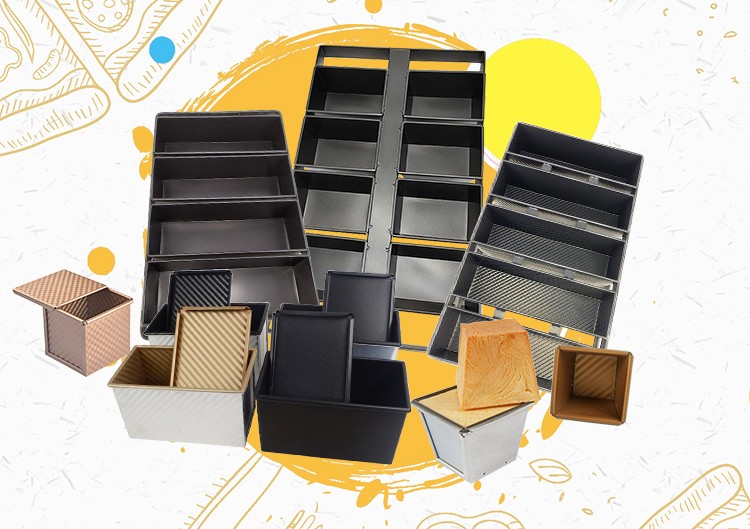
Choosing the right type of baking pan is one of the most important decisions for any commercial bakery or food factory. The choice between strap pans and single pans directly impacts baking consistency, production efficiency, and operating cost. While both serve the same basic purpose—shaping and supporting the dough during baking—their design, performance, and usage scenarios differ greatly.
In this article, we’ll explore the key differences between strap loaf pans and single loaf pans, their respective pros and cons, and how to determine which option best suits your bakery’s needs.
1. What Are Strap Loaf Pans?
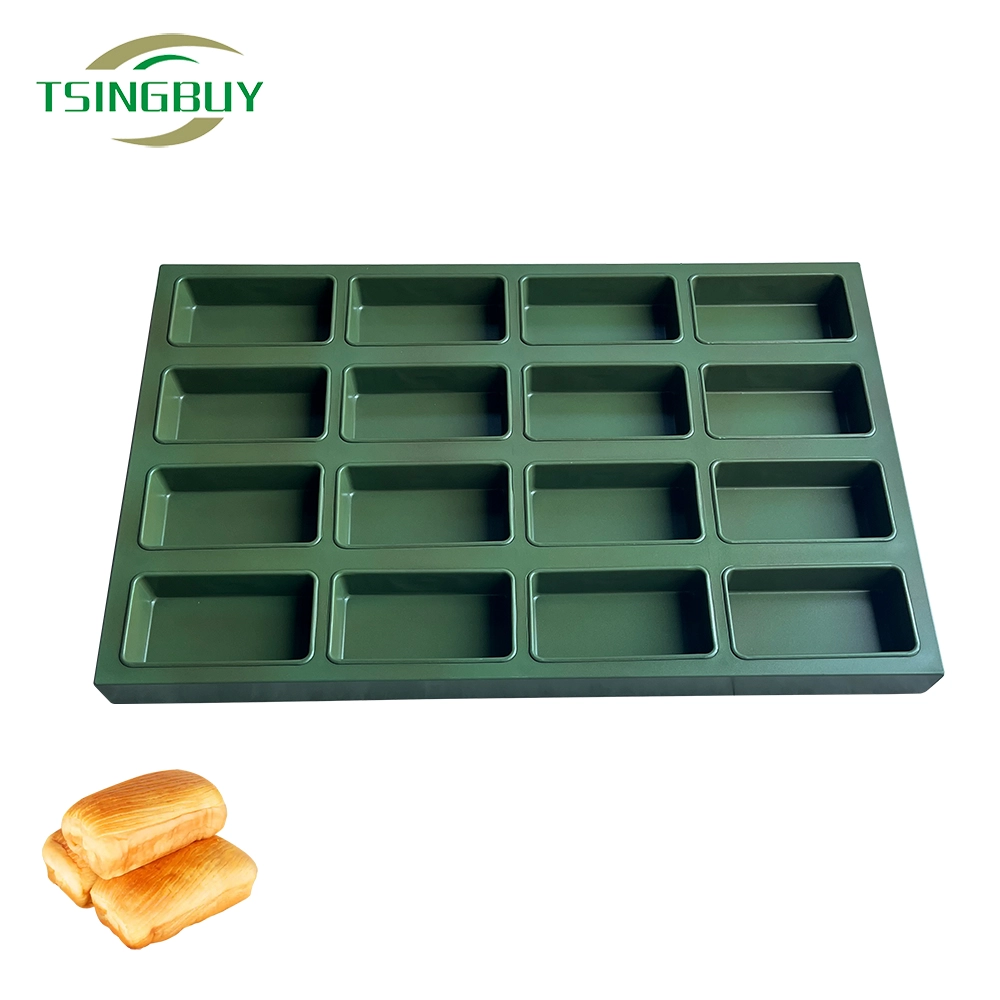
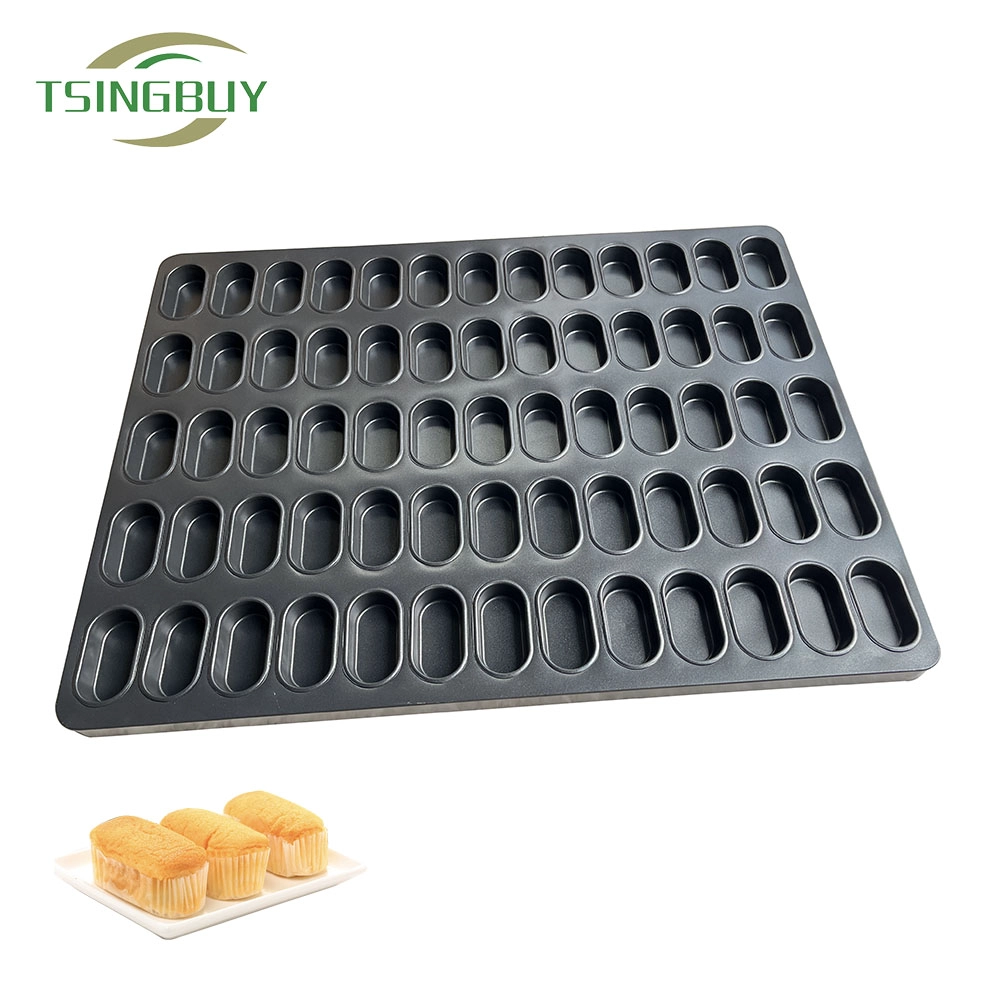
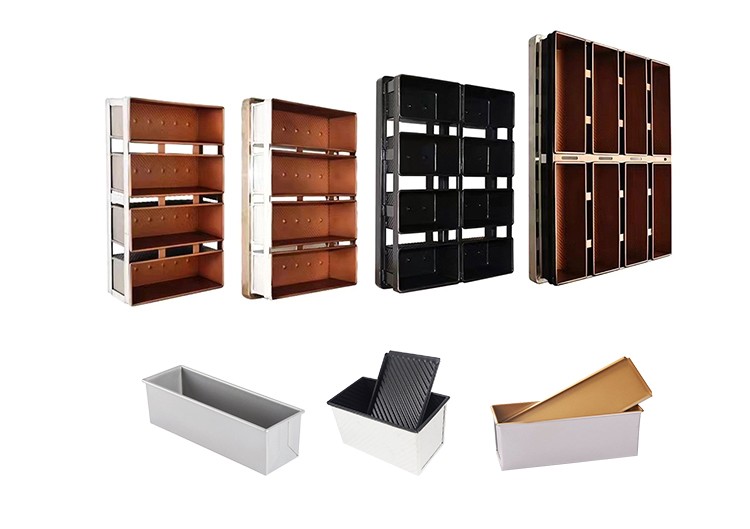
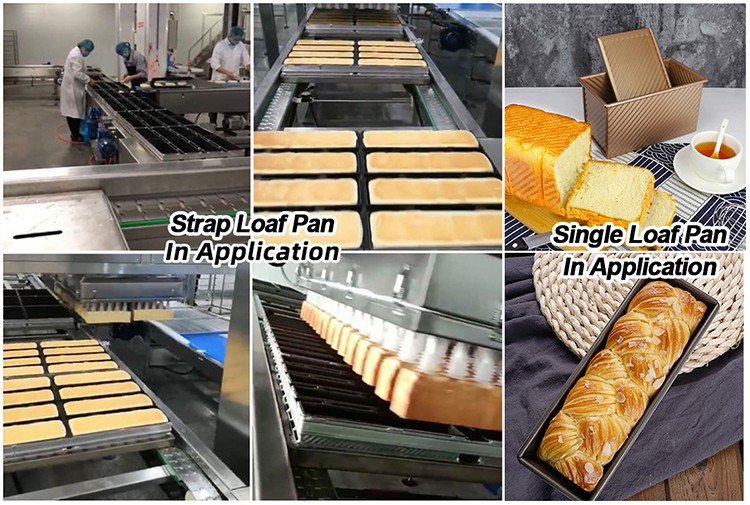
Strap loaf pans are baking pans that consist of multiple baking molds connected by metal straps or frames, forming a single unit. A common example is a 4-strap or 6-strap loaf pan, where several loaf molds are welded together for simultaneous baking.
These pans are typically made of aluminized steel, stainless steel, or aluminum, with optional non-stick coatings to ensure easy release and cleaning. Strap pans are widely used in commercial bakeries and automatic production lines, where high output, uniform baking, and efficient handling are critical.
2. What Are Single Loaf Pans?
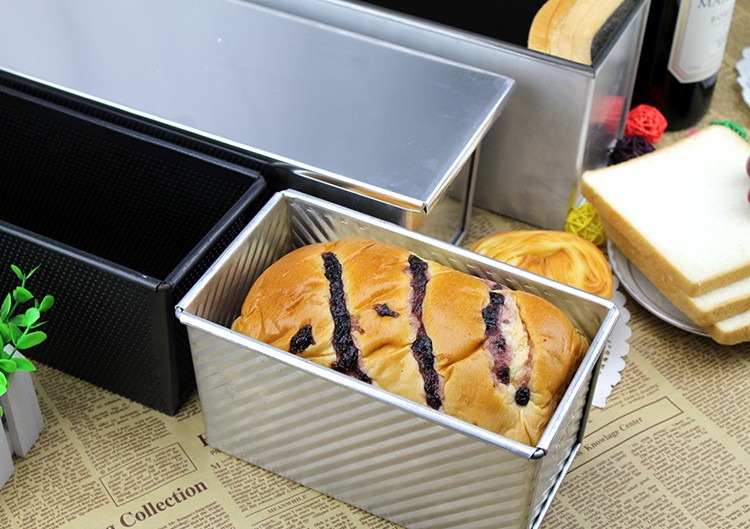
Single loaf pans are individual loaf pans used independently. Each pan holds a single loaf, allowing bakers to handle them separately. They are available in various materials and sizes, from small bread molds for artisan bakers to full-size commercial loaf pans.
Single loaf pans are commonly found in small bakeries, pastry shops, and restaurant, hotel kitchens, where flexibility and variety are more important than batch uniformity or automation compatibility.
3. Advantages of Strap Loaf Pans
Higher Production Efficiency
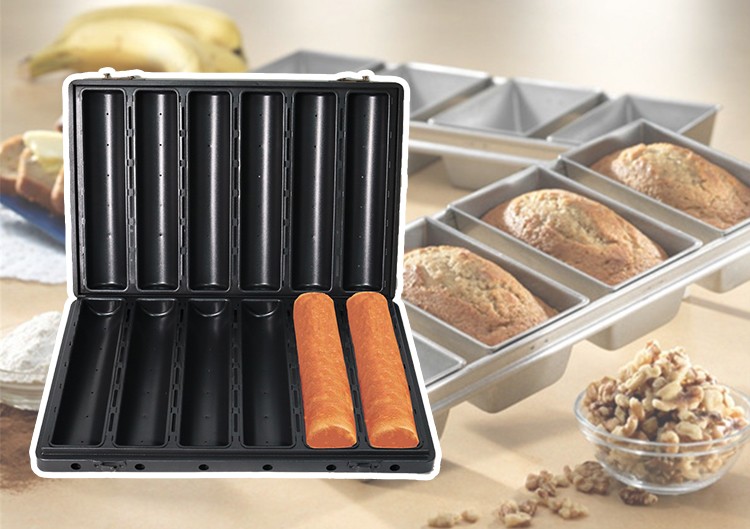
Strap loaf pans allow multiple loaves to be loaded, baked, and unloaded at once. This significantly speeds up production and reduces handling time, especially in large-scale operations.
Consistent Baking Results
Because all molds are connected, strap pans ensure uniform heat distribution and consistent loaf shape and size—essential for brands that value product standardization.
Ideal for Machinery Production Systems
Strap loaf pans are perfectly compatible with automatic machinery production systems, such as conveyor belt or proofing lines. Their unified structure ensures stable positioning and smooth movement along the line.
Space and Labor Saving
Handling one strap loaf pan instead of multiple single pans minimizes manual labor and saves space during baking, cooling, and storage.
Customizable Design
Tsingbuy loaf pan factory in China offer ODM&OEM services, allowing customization of mold dimensions, strap layout, coating type, and even corner styles to suit different bread recipes and production systems.
4. Disadvantages of Strap Loaf Pans
Despite their many benefits, strap loaf pans are not ideal for every bakery setup.
Heavier and Bulkier: Strap pans can be heavy, making them harder to handle manually.
Limited Flexibility: Since molds are connected, you cannot separate or adjust them for smaller batches or mixed products.
Higher Initial Cost: Strap loaf pans require a higher upfront investment, but this is often offset by long-term efficiency gains.
5. Advantages of Single Loaf Pans
Greater Flexibility
Single loaf pans can be arranged freely on racks or trays. Bakers can easily switch between bread types or recipes without modifying the setup.
Easy Cleaning and Maintenance
Each loaf pan can be cleaned, replaced, or recoated individually, which is convenient for small bakeries.
Lower Entry Cost
Single loaf pans are more affordable, making them suitable for start-ups or bakeries with limited budgets.
Ideal for Artisan and Test Baking
They are perfect for experimenting with new formulas, artisan loaves, or limited-edition products.
6. Disadvantages of Single Loaf Pans
Lower Efficiency: Handling each loaf pan separately increases time and labor costs in mass production.
Less Consistent Baking: Temperature variations in ovens can cause uneven results between individual pans.
Limited Compatibility: Single loaf pans are not suitable for automated or conveyor-based bakery systems.
7. Choosing Between Strap and Single Pans
When deciding between strap loaf pans and single loaf pans, consider the following factors:
|
Criteria |
Strap Loaf Pans |
Single Loaf Pans |
|
Production Scale |
High-volume, automated bakeries |
Small or artisan bakeries |
|
Efficiency |
Excellent |
Moderate |
|
Flexibility |
Limited |
High |
|
Consistency |
Very consistent |
Variable |
|
Initial Cost |
Higher |
Lower |
|
Maintenance |
Easy for large systems |
Simple for individual use |
Recommendation:
For large commercial bakeries and food factories using machinery production systems, strap loaf pans are the better choice for efficiency and uniformity.
For small artisan bakeries or those developing new recipes, single loaf pans offer flexibility and lower costs.
8. Custom Strap Loaf Pan Solutions from Tsingbuy
As a professional bakeware manufacturer in China since 2006, Tsingbuy Industry Limited specializes in producing commercial-grade baking pans for commercial and use.
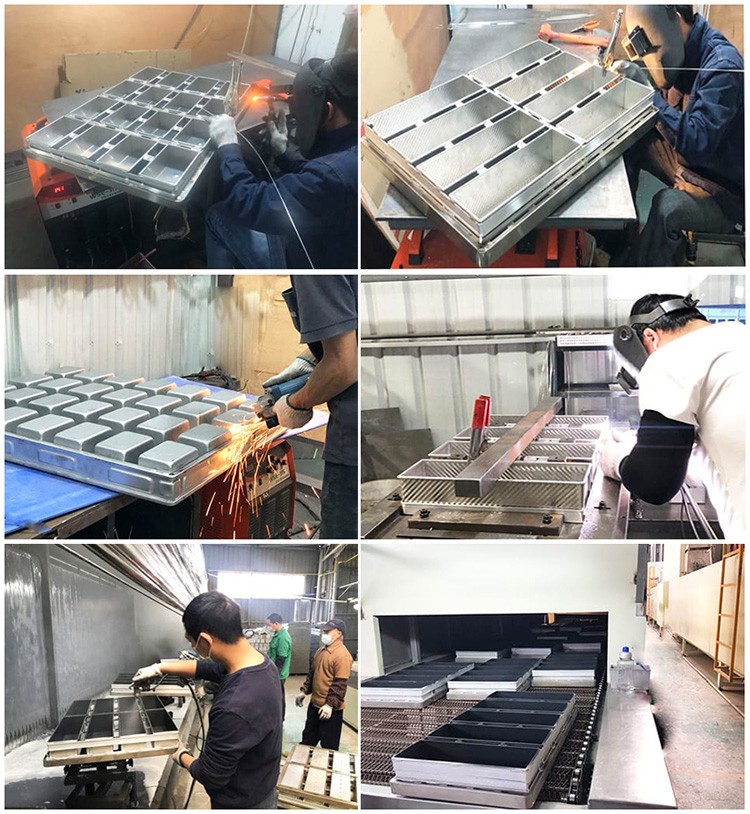
With nearly 20 years of experience (Since 2006), Tsingbuy provides ODM&OEM services for global bakeries and automatic production lines. Our strap loaf pans are made from premium aluminized steel or aluminum or stainless steel frame, featuring excellent heat conduction, durability, and non-stick performance.
We offer full customization, including:
Mold size and shape (round, square, or corrugated loaf designs)
Strap layout and mold quantity per set
Coating options (Teflon, silicone, or uncoated)
Pan edge design, corner style, and depth
Compatibility with conveyor and machinery systems
Whether you run a traditional bakery or a fully automated production line, Tsingbuy can design and manufacture strap loaf pans tailored to your operational requirements.
9. Conclusion
Both strap loaf pans and single loaf pans have their advantages. Strap loaf pans excel in efficiency, consistency, and automation compatibility, making them ideal for commercial use. Single loaf pans, on the other hand, provide flexibility and lower cost for small-scale or artisan bakers.
Ultimately, the right choice depends on your production goals and setup. For bakeries seeking custom commercial strap loaf pans that meet industrial standards and align with automated systems, Tsingbuy commercial baking pans supplier in China offers professional design and manufacturing solutions to help you achieve top baking performance and efficiency.
