- Introduction: Why PFAS-Free Non-Stick Coatings Are Getting Attention
- What Are PFAS and Why Are They a Concern?
- Traditional Non-Stick Coatings vs. PFAS-Free Alternatives
- What Should Commercial Bakeries Consider When Choosing Non-Stick Baking Pans?
- How to Choose the Right Baking Pan for Different Commercial Applications
- The Future of Non-Stick Baking Pans: Why Customization and Material Selection Matter

Non-stick coatings have long played an important role in commercial baking. From sheet pans and loaf pans to multi-mold baking trays, these coatings help prevent baked products from sticking, improve product release, and make cleaning easier. For commercial bakeries and food manufacturers, reliable non-stick performance is essential for maintaining consistent product quality and efficient production.
However, growing global attention to PFAS (per- and polyfluoroalkyl substances) is bringing new considerations to the selection of food-contact materials, including commercial baking pans. PFAS are a large group of synthetic chemicals used in various industrial and consumer applications. Certain PFAS have raised environmental and health concerns because of their persistence and potential effects on human health.
Regulatory developments and increasing market awareness are encouraging manufacturers and food businesses to take a closer look at the materials and coatings used in their products. This has also increased interest in PFAS-free coating technologies and alternative surface treatments for baking equipment.
Commercial bakeries are no longer evaluating baking pans solely by their release performance or purchase price. They are also considering coating composition, food-contact compliance, durability, temperature resistance, and long-term operating costs. For baking pan manufacturers and buyers, the challenge is finding a suitable balance between non-stick performance, applicable safety requirements, production efficiency, and cost.
In this article, we explore what PFAS are, how traditional non-stick coatings differ from alternative technologies, and what commercial bakeries should consider when choosing baking pans for their production needs.

PFAS stands for per- and polyfluoroalkyl substances, a large group of synthetic chemicals that have been used in industrial and consumer products for decades. Thousands of different PFAS have been identified, with varying chemical structures, properties, and applications. These substances are valued for their resistance to heat, water, oil, and grease. Because of these properties, they have been used in a wide range of products, including non-stick coatings(Some non-stick cookware and baking equipment use fluoropolymer-based coatings).
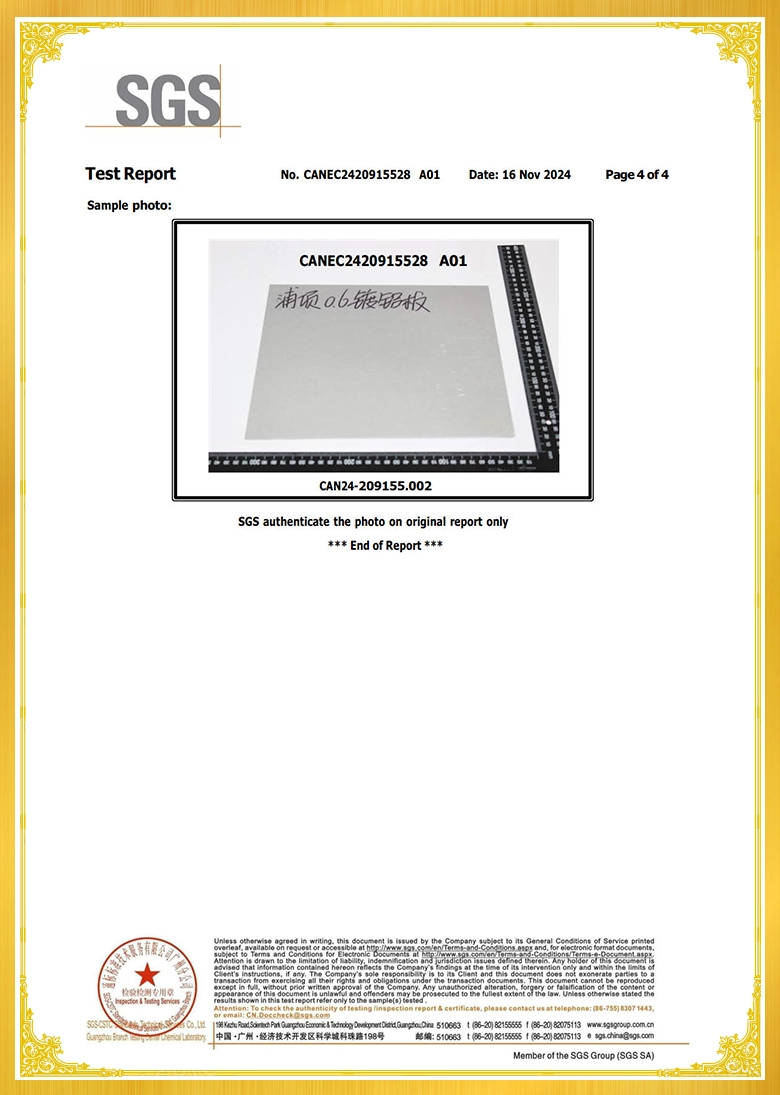
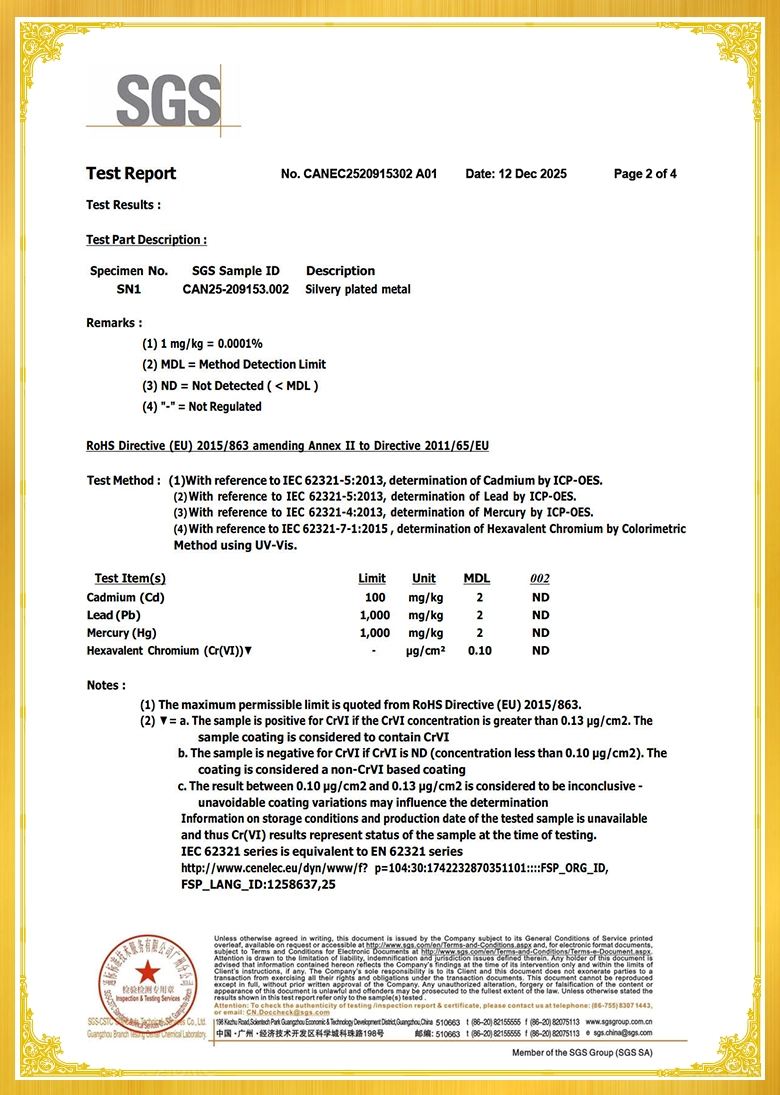
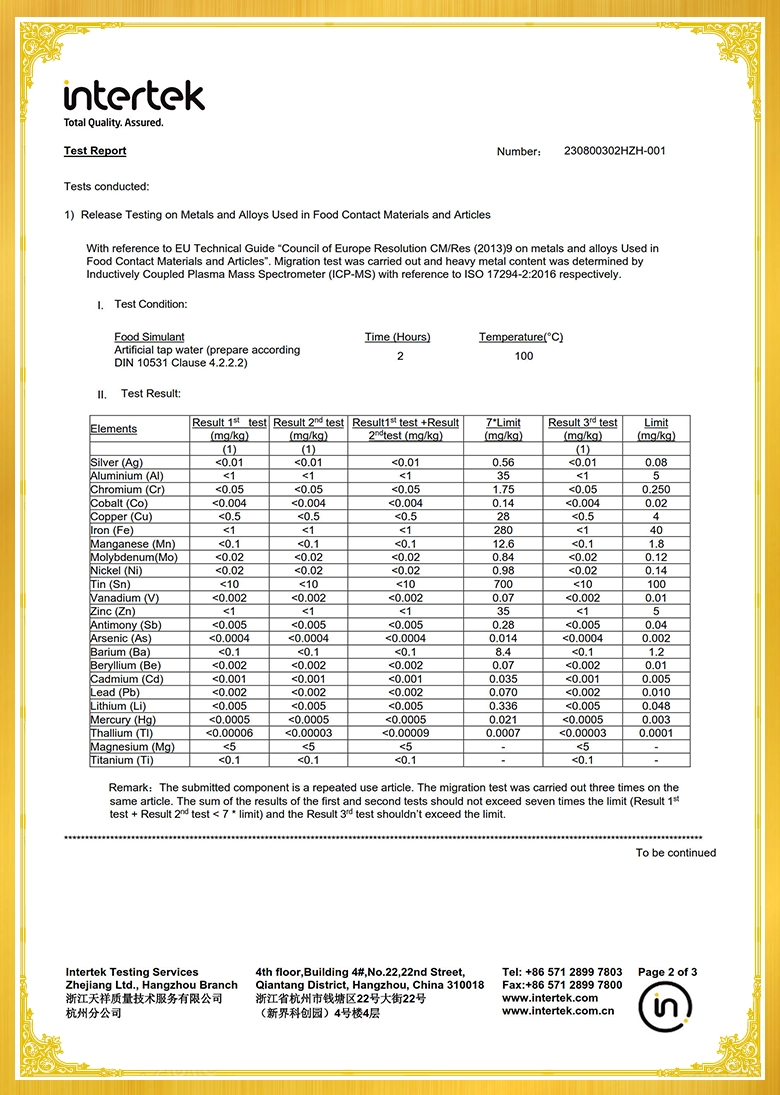
For commercial bakeries, this does not mean that all traditional non-stick baking pans should be considered unsafe. The U.S. FDA, for example, explains that certain authorized PFAS-based non-stick coatings are made from polymerized materials that are tightly bonded to cookware surfaces. Studies reviewed by the FDA indicate that negligible amounts of PFAS from these coatings are capable of migrating into food under the intended conditions of use. It is important to distinguish these specific authorized non-stick applications from other food-contact uses of PFAS, such as certain grease-proofing treatments historically used on paper packaging.
The key consideration is to understand which substances are used, how the coating is manufactured, and whether the finished product complies with the food-contact requirements of its target market. This growing demand for material transparency is one reason why alternative non-stick technologies are attracting attention in the commercial baking industry.
Non-stick coatings are widely used in commercial baking pans because they help prevent baked products from sticking to the pan surface, improve product release, and simplify cleaning. However, as interest in reducing PFAS use grows, commercial bakeries and baking pan manufacturers are paying closer attention to the differences between traditional fluoropolymer coatings and alternative non-stick technologies. Understanding how these coatings work, along with their advantages and limitations, can help bakery businesses make more informed purchasing decisions.
3.1 PTFE-Based Non-Stick Coatings
Polytetrafluoroethylene (PTFE) is one of the most widely used materials in traditional non-stick coatings. It belongs to the fluoropolymer family and is valued for its low-friction surface, excellent release properties, chemical resistance, and ability to withstand repeated baking cycles within its specified operating conditions.
In commercial baking, PTFE-based coatings are commonly applied to aluminum and aluminized steel baking pans. They help release products such as bread, cakes, cookies, and other baked goods with less sticking, reducing the need for excessive greasing and making routine cleaning easier. However, PTFE is a fluoropolymer and is included within many broad definitions of PFAS. This means that a PTFE-coated baking pan should not automatically be described as PFAS-free, unless there is supporting evidence from relevant food safety tests.
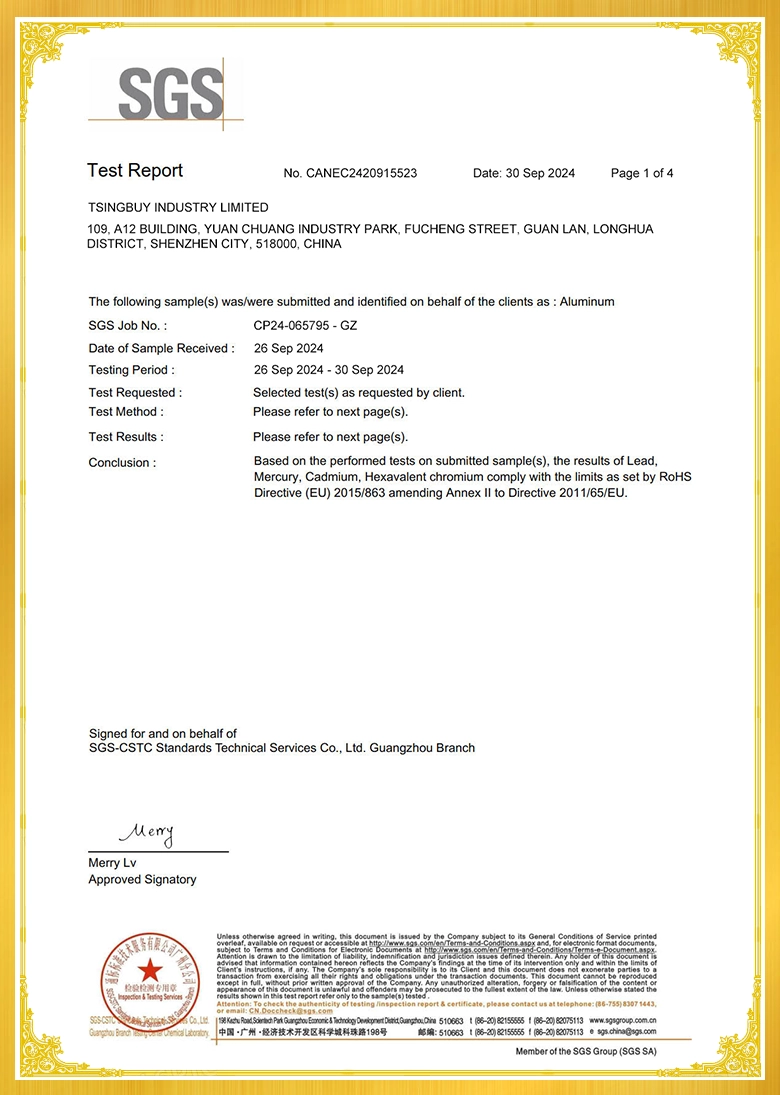
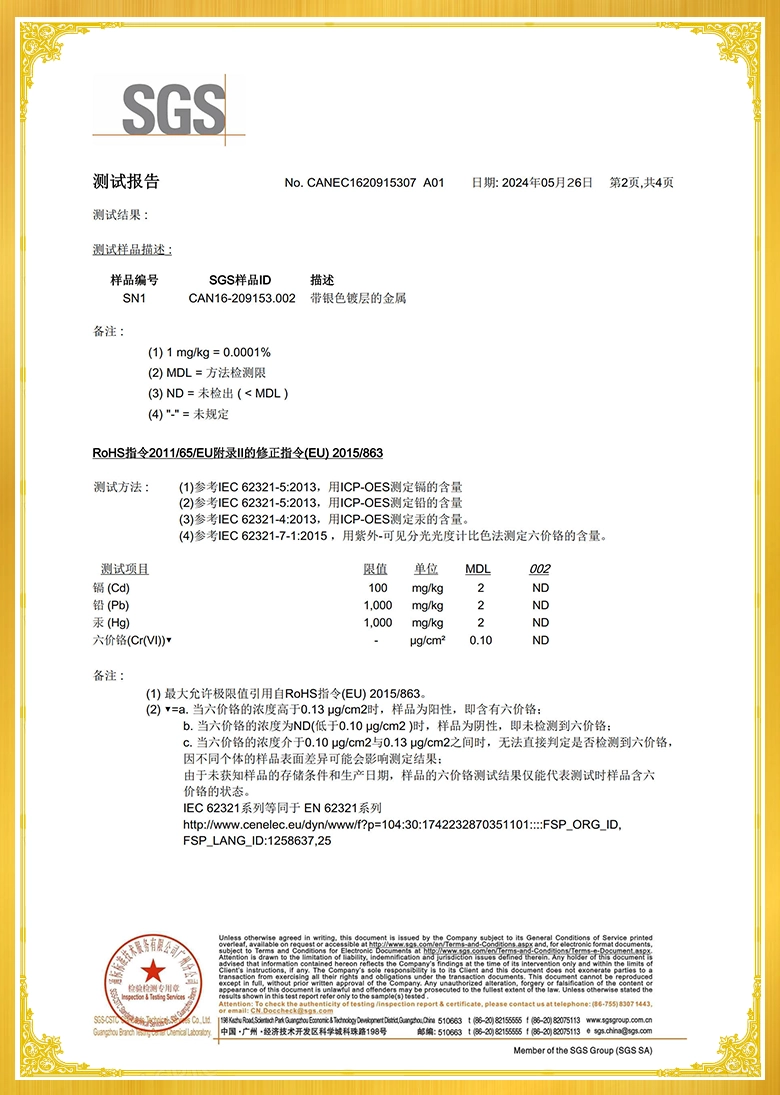
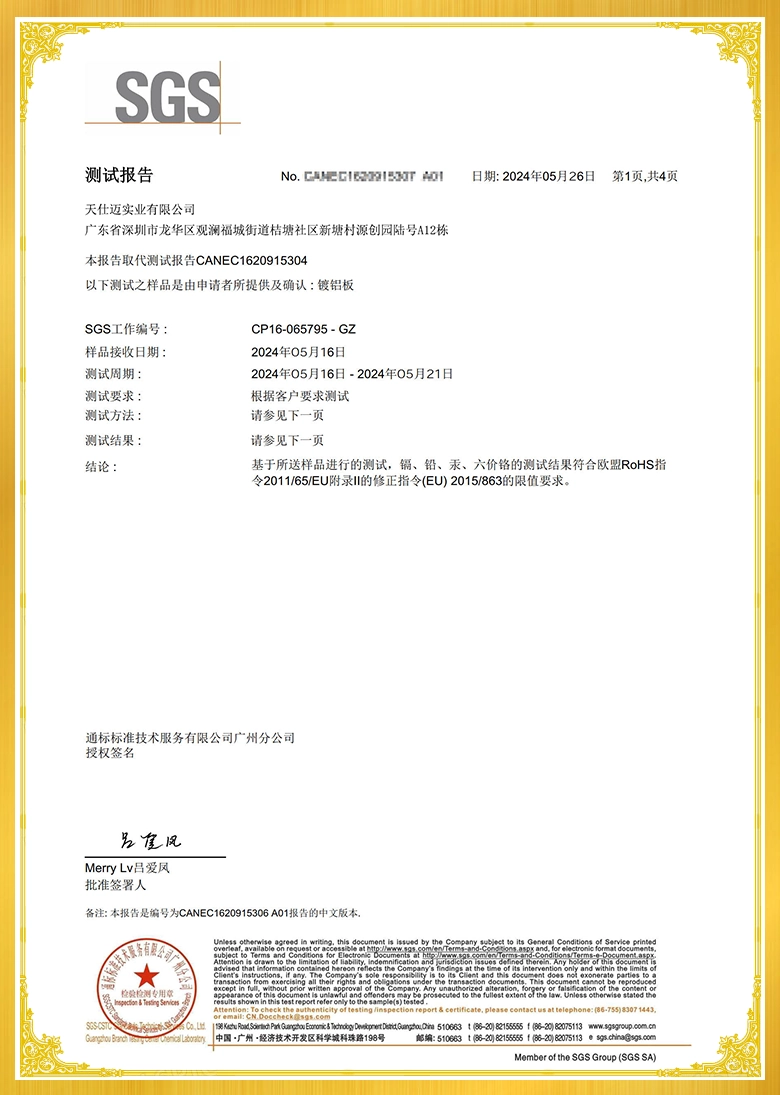
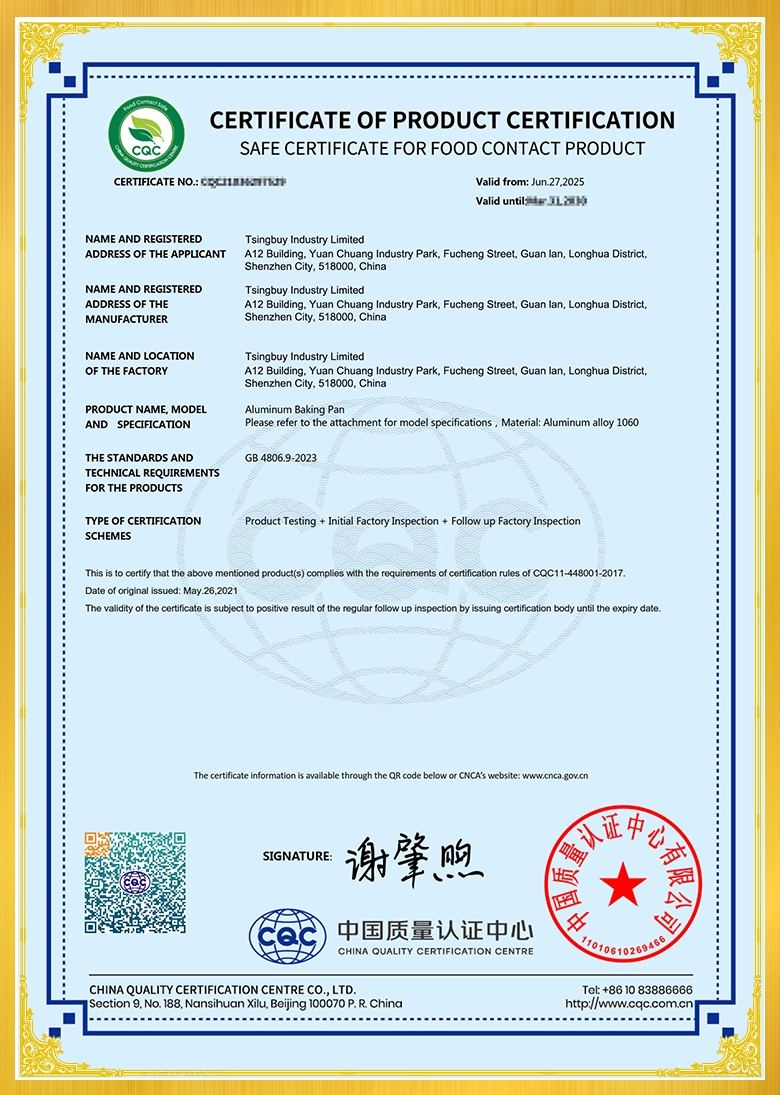
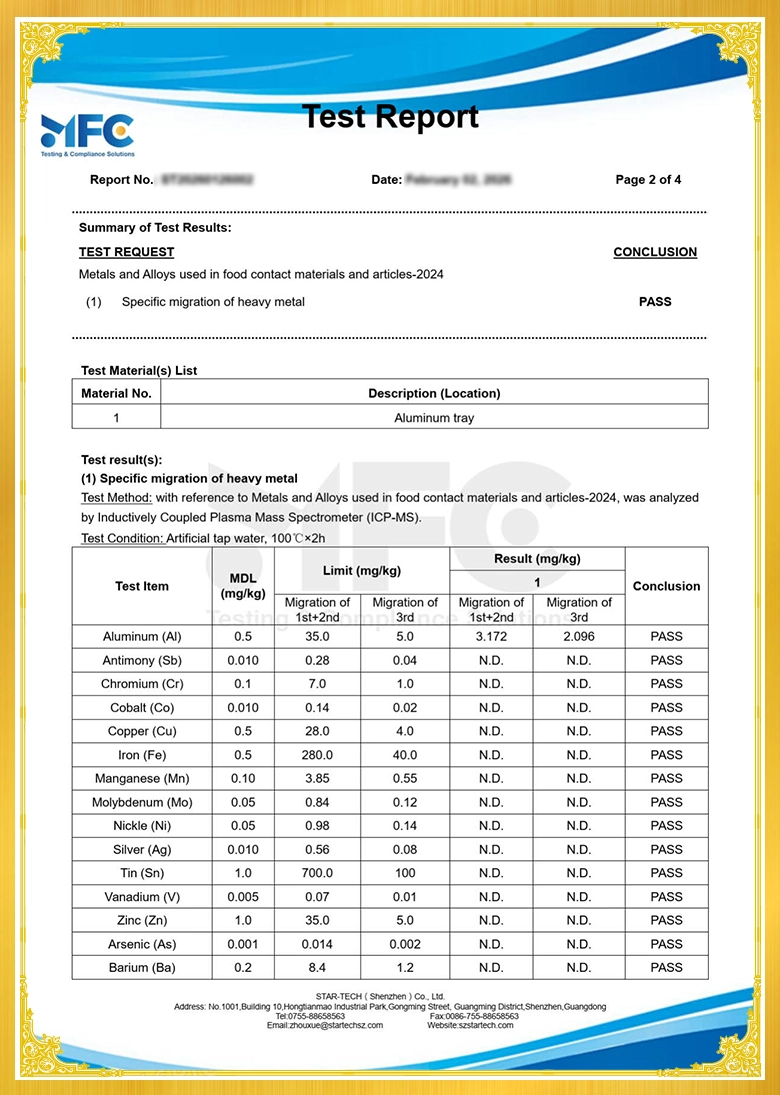
It is also important to distinguish PTFE from PFOA, a different PFAS historically associated with the manufacture of certain fluoropolymer products. A PFOA-free claim does not necessarily mean that a coating is free of all PFAS, such a claim is only valid if accompanied by relevant product test certification demonstrating that the item is safe for use as bakeware.
For commercial buyers, the key is to understand the actual coating formulation, manufacturing process, applicable regulatory requirements, and supplier documentation rather than relying on general marketing terms.

3.2 Silicone-Based Non-Stick Coatings
Silicone-based coatings are another option used in commercial bakeware. They offer non-stick properties and are available in formulations designed for different baking applications.These coatings can be useful for products that require reliable release, particularly certain high-sugar or sticky bakery products. Depending on the formulation, silicone-based coatings may also offer flexibility in surface treatment and application.
However, silicone coatings are not identical to PTFE coatings in performance. Their release properties, abrasion resistance, service life, and temperature limits vary depending on the coating system and application conditions.
For industrial bakeries, it is important to evaluate whether a silicone-based coating can withstand the actual baking temperature, production frequency, cleaning methods, and mechanical handling involved in daily operations. It is also worth noting that being silicone-based does not automatically mean a product is PFAS-free; it must be accompanied by relevant test documentation confirming that it is safe for use as bakeware.
3.3 Other Alternative Coating Technologies
Beyond silicone-based systems, ceramic and sol-gel coatings are also being explored as alternatives to traditional fluoropolymer non-stick coatings. Ceramic-style coatings can offer hard, smooth surfaces and are often marketed as alternatives to fluoropolymer-based systems. However, their actual non-stick performance depends on the specific formulation and manufacturing process. Some systems may also contain additional ingredients to improve food-release properties.
Other fluorine-free coating technologies are being developed for different cookware and bakeware applications. Their commercial suitability depends on factors such as adhesion, temperature resistance, wear resistance, and performance after repeated use. For industrial baking, a coating should not be selected based on its material name alone. Actual baking tests and technical documentation are important for evaluating its suitability.
3.4 Comparing Different Non-Stick Coating Options
The following table provides a general comparison of common coating technologies used or considered in bakeware applications.
| Evaluation Factor |
PTFE-Based Coatings |
Silicone-Based Coatings |
Ceramic / Other Alternatives |
| Food release |
Generally excellent |
Formulation-dependent |
Formulation-dependent |
| Temperature resistance |
Depends on specifications |
Depends on specifications |
Depends on specifications |
| Wear resistance |
Depends on coating system and thickness |
Depends on coating system and application |
Varies by formulation |
| Cleaning |
Generally easy |
Depends on surface properties |
Depends on surface properties |
| PFAS classification |
Fluoropolymer; generally included in broad PFAS definitions |
Must be verified by formulation |
Must be verified by formulation |
| Commercial applications |
Widely used in bakeware |
Used in selected bakeware applications |
Depends on product development and testing |
There is no single coating solution that is ideal for every baking application. A coating that performs well on a cookie sheet may not be the best choice for a high-sugar bread mold or a multi-mold baking tray used in continuous production. PTFE is currently the primary coating technology used for commercial baking trays. For this reason, commercial bakeries should evaluate coating composition, food-contact compliance, release performance, durability, and operating temperature together. The right choice depends on the bakery's products, equipment, production volume, and target-market requirements.

Choosing the right non-stick baking pan involves more than comparing coating types or prices. For commercial bakeries and food manufacturers, baking pans must perform reliably under repeated production cycles while meeting food-contact requirements and maintaining consistent baking results.
Before placing an order, buyers should evaluate several important factors.
4.1 Non-Stick Performance and Product Release
Reliable product release is essential for maintaining production efficiency and reducing product damage. Different bakery products place different demands on a non-stick surface. Bread, cookies, cakes, muffins, and high-sugar products may behave differently during baking and demoulding.
When evaluating a coating, commercial bakeries should consider:
- How easily baked products release from the pan.
- Whether consistent release performance can be maintained across repeated baking cycles.
- Whether additional oil or release agents are required.
- Whether the coating is suitable for the specific dough, batter, or recipe.
Testing sample pans with actual production recipes is often the most practical way to evaluate performance before ordering in bulk.
4.2 Temperature Resistance and Baking Conditions
Commercial baking pans are exposed to repeated heating and cooling, sometimes under demanding production schedules. Therefore, the coating's temperature resistance must match the bakery's actual operating conditions. Buyers should confirm the coating manufacturer's recommended continuous operating temperature and any applicable short-term temperature limits. They should also consider baking time, oven type, heating cycles, and cleaning procedures.
A coating that performs well under one baking condition may not be suitable for another. Selecting a coating based on its documented temperature range helps reduce the risk of premature deterioration and unexpected production problems.
4.3 Durability, Cleaning, and Maintenance
In high-volume bakeries, baking pans may be used many times each day. Coating durability and ease of maintenance can therefore have a significant impact on long-term operating costs.
Important factors include:
- Resistance to abrasion and scratches during handling.
- Adhesion between the coating and the metal substrate.
- Resistance to repeated heating and cooling.
- Compatibility with the bakery's cleaning methods.
- Ease of removing baked-on residue without damaging the surface.
Using suitable cleaning tools, avoiding unnecessary abrasive treatment, and following the coating manufacturer's care instructions can help extend the service life of coated baking pans.
4.4 Matching the Coating with the Baking Pan Material
The base material is another important part of baking pan performance. Aluminum, aluminized steel, and stainless steel each offer different characteristics in terms of weight, heat transfer, strength, and maintenance. The choice of coating should also be compatible with the selected metal substrate and the intended baking application.For example, aluminized steel is widely used in commercial baking because it combines a steel base with an aluminum-silicon surface. Aluminum pans offer a lightweight option, while stainless steel may be selected for applications where its particular material properties are required. A well-designed baking pan combines the right material, thickness, structure, and surface treatment to meet the demands of the production process.
Ultimately, the best non-stick baking pan is not necessarily the one with the most advanced coating or the lowest purchase price. It is the one that delivers reliable release performance, meets applicable food-contact requirements, withstands the intended working conditions, and provides good long-term value for the bakery.
Choosing the right coating and baking pan material requires a clear understanding of your production needs and baking conditions. Working with a professional bakeware solutions supplier in China can help commercial bakeries evaluate different materials, coatings, and pan designs to find suitable options for their specific applications. This is especially important for businesses that require consistent baking performance, durable products, and customized solutions for large-scale production.

Different bakery products require different baking pan designs and surface treatments. A coating that works well for one application may not deliver the same results for another. For commercial bakeries and food manufacturers, selecting the right baking pan means considering the product type, baking process, production volume, and equipment requirements.
Here are some key considerations for common commercial baking applications.
5.1 Sheet Pans for Commercial Bakeries
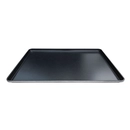
Sheet pans are among the most widely used baking tools in commercial bakeries. They are commonly used for bread rolls, cookies, pastries, and other baked products. When selecting sheet pans, buyers should consider pan dimensions, material thickness, edge design, and surface treatment. Aluminized steel is a popular choice for commercial applications, while aluminum offers a lightweight alternative.
For bakeries that require easier product release and faster cleaning, a suitable non-stick coating can improve daily handling efficiency. Standard sizes such as 400 × 600 mm and 460 × 330 mm are commonly used, while customized dimensions can be developed to match specific ovens, racks, and production lines.
5.2 Loaf and Pullman Pans
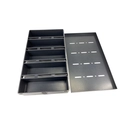
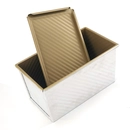
Loaf pans and Pullman pans are designed for baking sandwich bread, toast, and other rectangular bread products. Their shape and surface condition directly affect product release and final appearance. A suitable non-stick coating can help prevent bread from sticking to the pan walls and corners, making demoulding easier and reducing product damage.
For commercial production, buyers should also consider pan dimensions, wall height, corner design, lid structure, and material thickness. Customized loaf pans can be designed for different bread sizes, recipes, and production equipment.
5.3 Multi-Mold Baking Trays
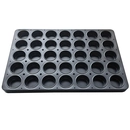
Multi-mold baking trays are widely used for high-volume production of hamburger buns, hot dog rolls, muffins, cupcakes, and other portion-controlled products. These trays combine multiple molds in one baking pan, helping bakeries produce consistent product shapes and improve production efficiency. When choosing a multi-mold tray, important factors include mold shape, diameter, depth, spacing, total mold quantity, and coating performance. A suitable non-stick surface helps release individual products while reducing the need for excessive greasing.
For specialized production requirements, manufacturers can customize mold layouts, tray dimensions, and surface treatments to match the bakery's recipes and equipment.
5.4 Baguette and Specialty Baking Trays
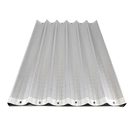
Baguette trays and other specialty baking trays are designed around the shape and baking characteristics of specific products. Baguette trays may feature curved channels, perforated surfaces, or different channel configurations to support product shape and airflow during baking. Other specialty trays may require customized mold shapes, perforation patterns, or reinforced structures.
When selecting these trays, buyers should consider product dimensions, channel layout, material, surface treatment, and compatibility with existing ovens and racks. For bakeries producing specialty bread or baked goods at scale, customized tray designs can help improve workflow and maintain consistent production results.
Choosing a Pan That Fits Your Production Needs
There is no universal baking pan or coating that suits every bakery product. The right choice depends on the interaction between the recipe, pan design, material, coating, and production equipment. Working with an experienced industrial baking tray manufacturer in China can help commercial bakeries develop suitable solutions based on their actual requirements, from standard sheet pans to fully customized multi-mold and specialty baking trays.

As the commercial baking industry continues to evolve, non-stick baking pans are also facing changing requirements. Growing attention to PFAS, increasing demand for food-contact material transparency, and the development of alternative coating technologies are encouraging manufacturers and bakery businesses to reconsider their choices. In the future, the development of commercial baking pans will not depend on coating technology alone. Material selection, pan structure, production efficiency, and application-specific design will all play important roles.
6.1 Choosing Materials and Coatings for Specific Applications
Different bakery products and production processes require different combinations of materials and surface treatments. Aluminum, aluminized steel, and stainless steel each offer distinct characteristics in terms of weight, heat transfer, strength, and maintenance.
Likewise, PTFE-based, silicone-based, and emerging alternative coatings have different performance characteristics and regulatory considerations. Rather than choosing a coating simply because it is marketed as non-stick or PFAS-free, commercial bakeries should evaluate its actual composition, documented compliance, release performance, temperature resistance, and durability. The goal is to find a solution that meets both production requirements and the applicable food-contact standards of the target market.
6.2 Why Customized Baking Pans Matter
Standard baking pans may be suitable for many applications, but they cannot meet every production requirement. As bakeries expand their product ranges and adopt more automated equipment, customized pan designs are becoming increasingly important.
Customization can cover:
- Pan dimensions, shapes, and material thickness.
- Mold quantity, layout, depth, and spacing.
- Perforated or solid surfaces.
- Different coating and surface treatment options.
- Edge structures, corners, and reinforced frames.
- Compatibility with ovens, baking racks, and automated production lines.
A well-designed custom baking pan can help improve equipment compatibility, maintain consistent product shapes, and support more efficient production workflows.
6.3 Tsingbuy: Customized Solutions for Commercial Baking
Since 2006, Tsingbuy has specialized in manufacturing commercial baking pans and trays for bakeries, food factories, bakery brands, wholesalers, and distributors worldwide. As an experienced commercial baking pan factory in China, Tsingbuy combines in-house manufacturing capabilities with OEM and ODM services to support different commercial baking requirements.
With OEM and ODM capabilities, Tsingbuy provides customized solutions covering material selection, pan dimensions, mold design, surface treatments, and coating options. From standard sheet pans and loaf pans to multi-mold baking trays and specialty baking pans, our team works with customers to develop products that match their specific production requirements. As coating technologies and food-contact requirements continue to develop, choosing the right manufacturing partner is just as important as choosing the right baking pan.
Looking for customized commercial baking pans for your production line? Contact Tsingbuy to discuss your requirements and explore a suitable solution for your bakery business.