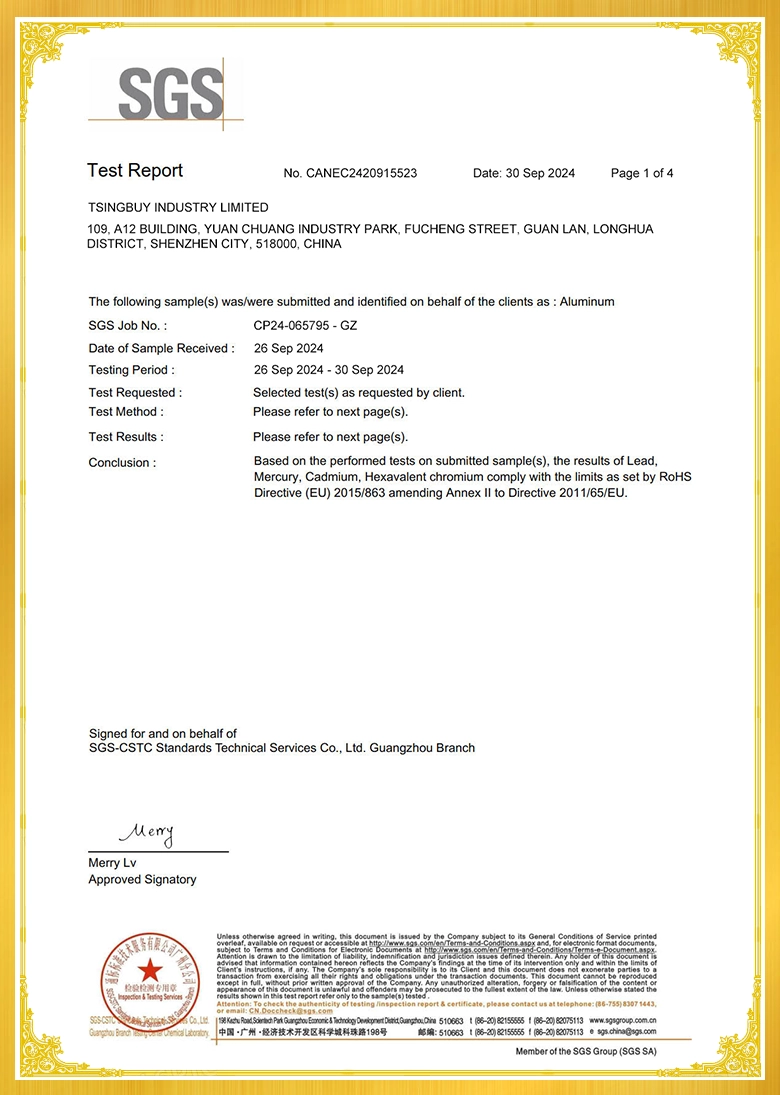
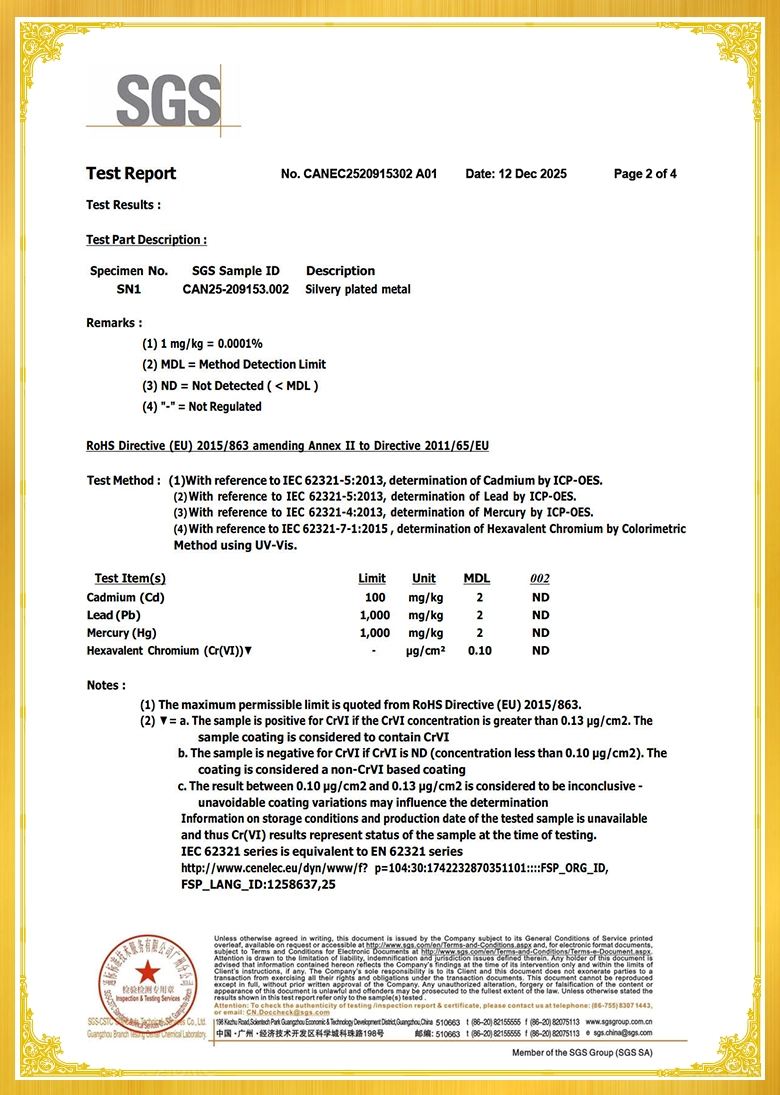
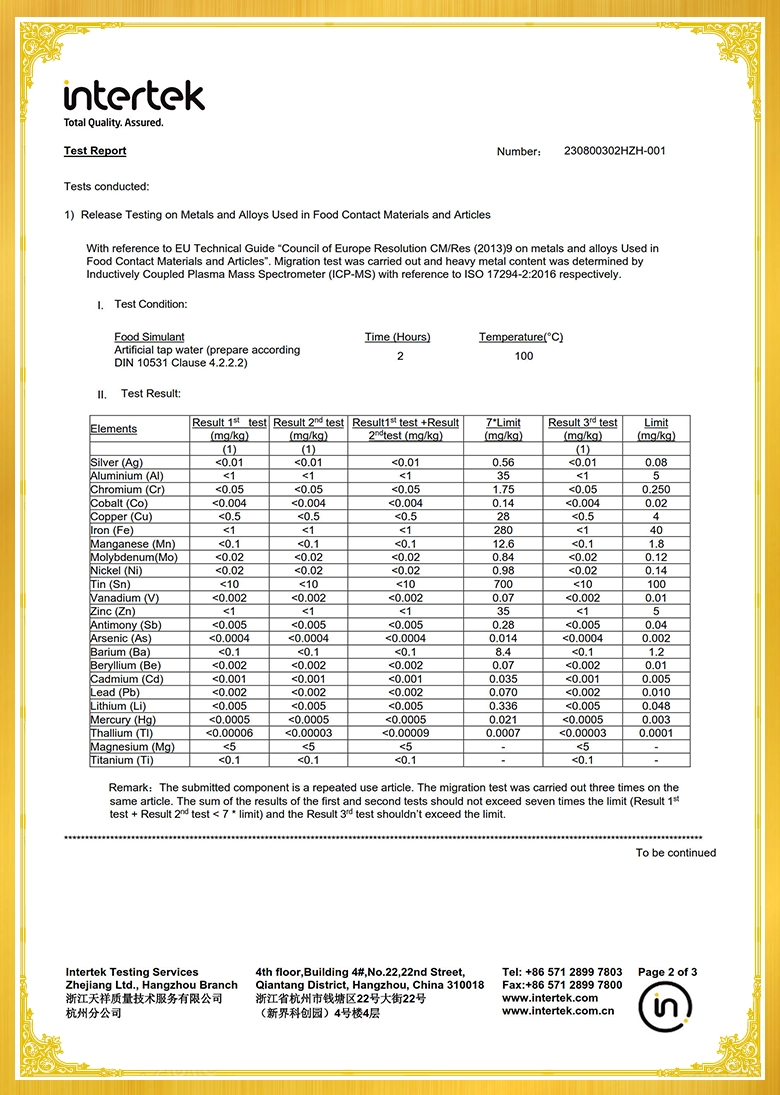
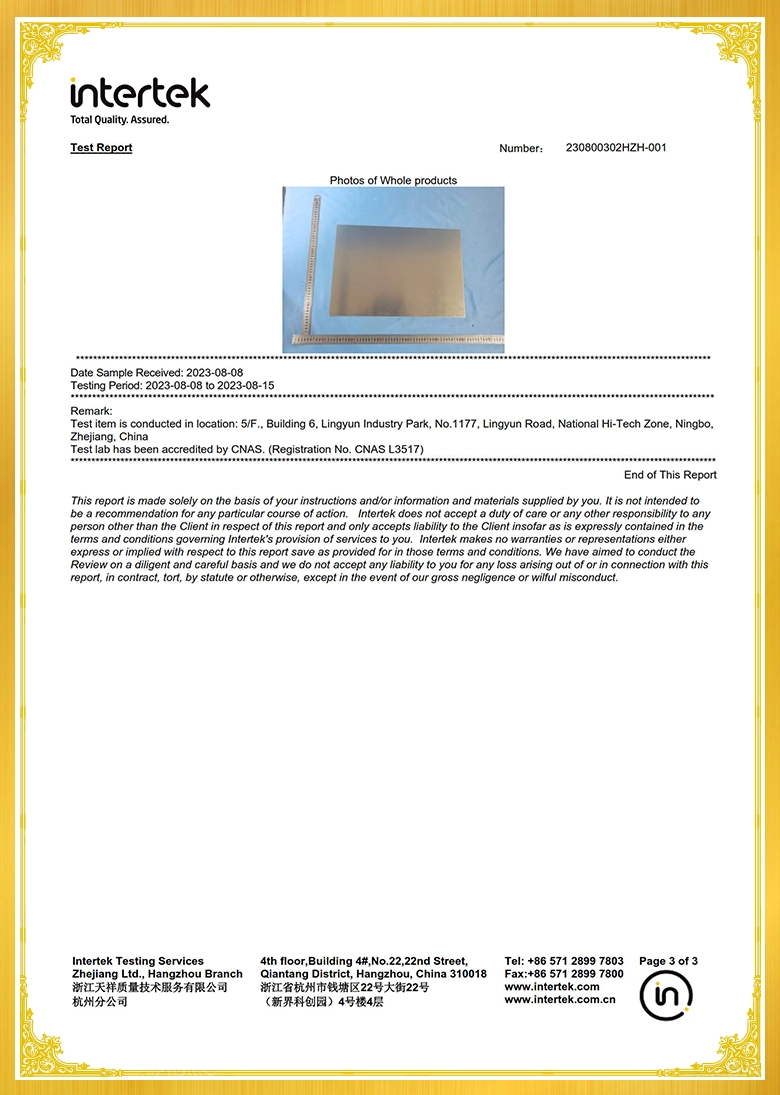
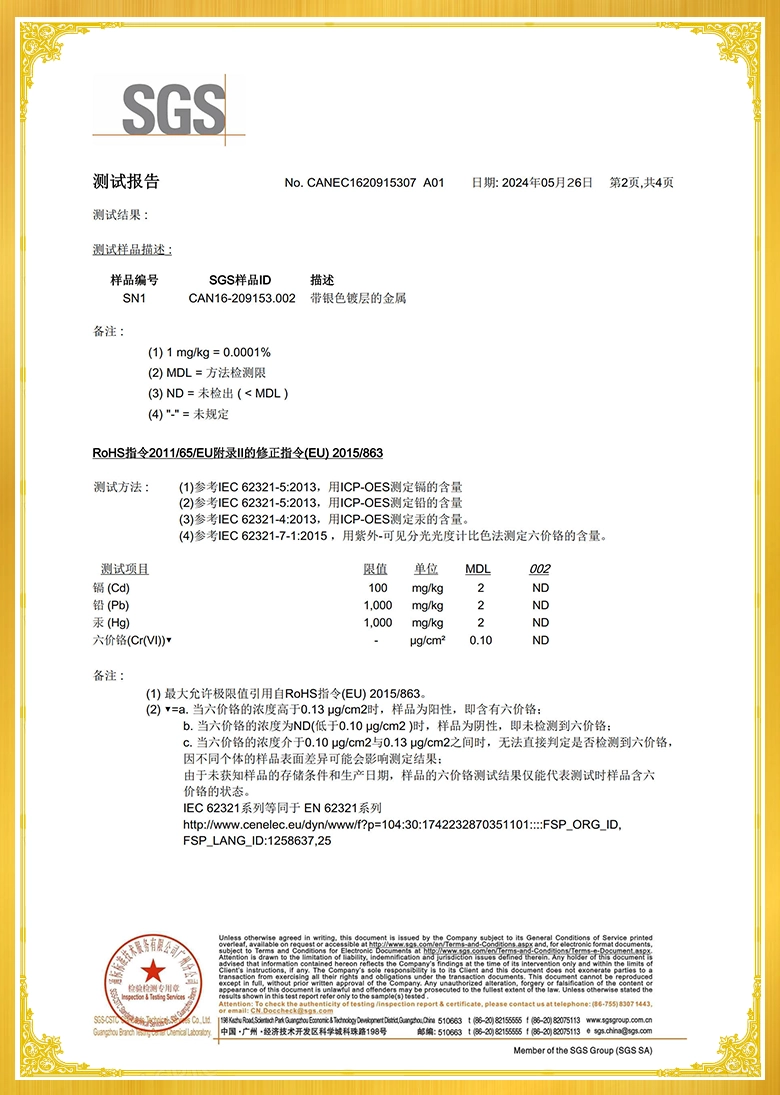
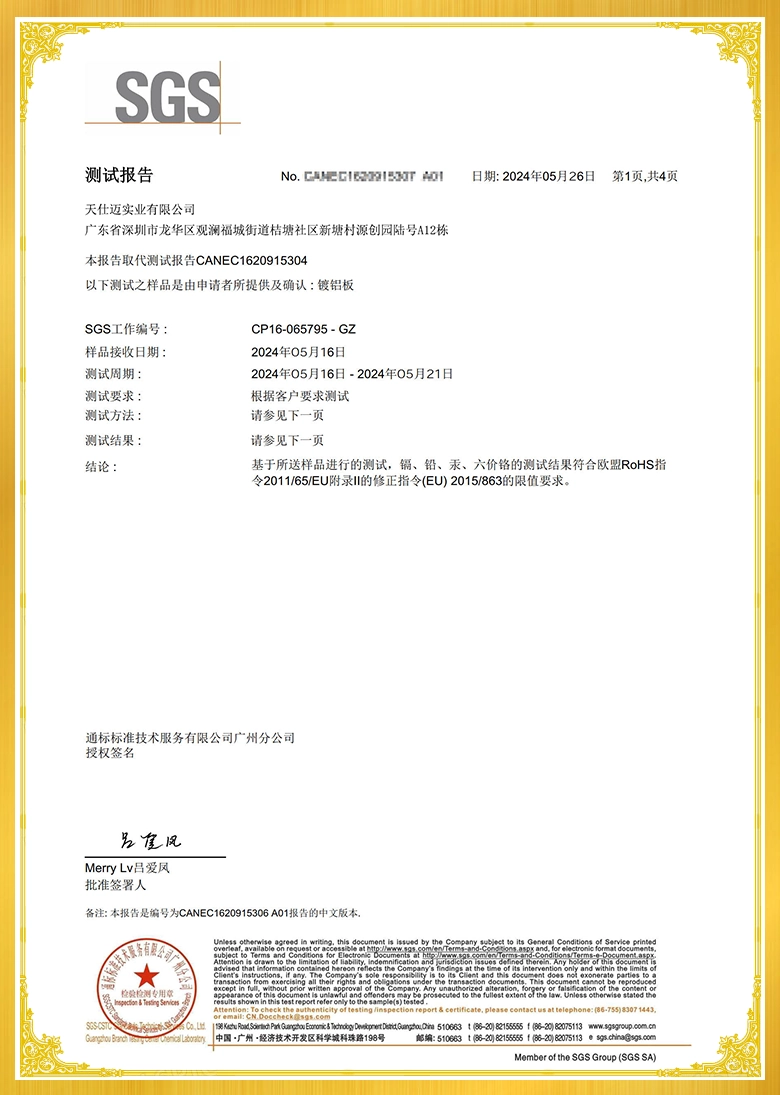
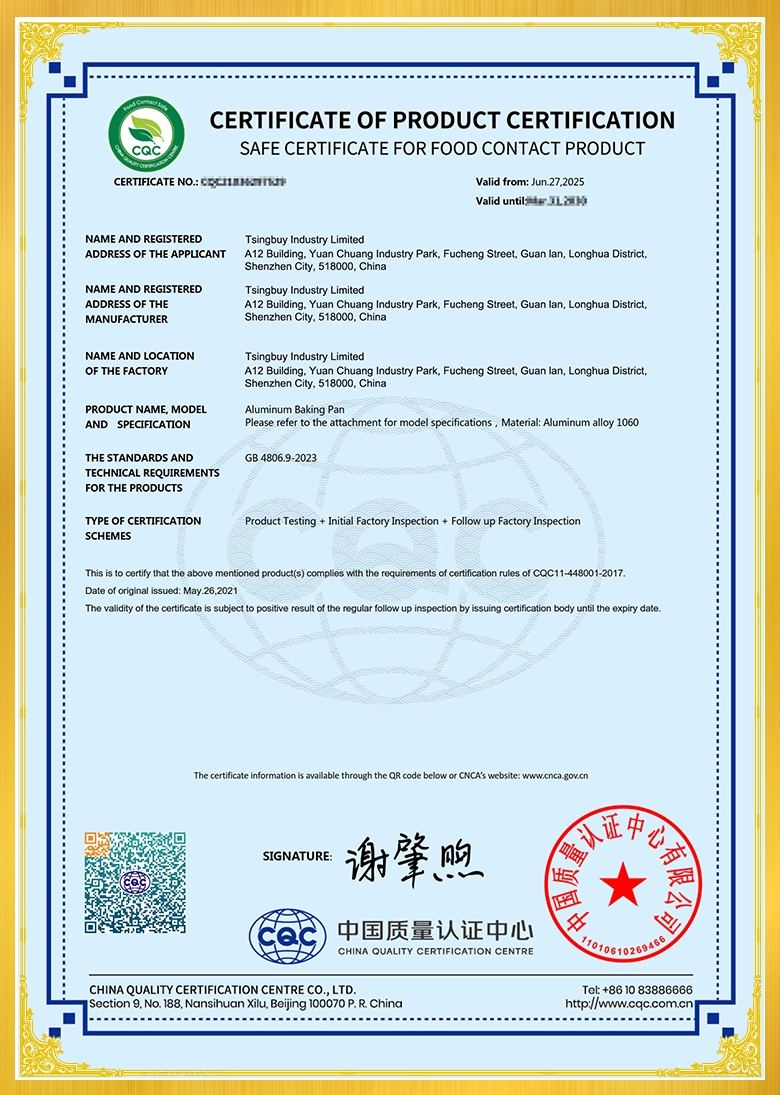
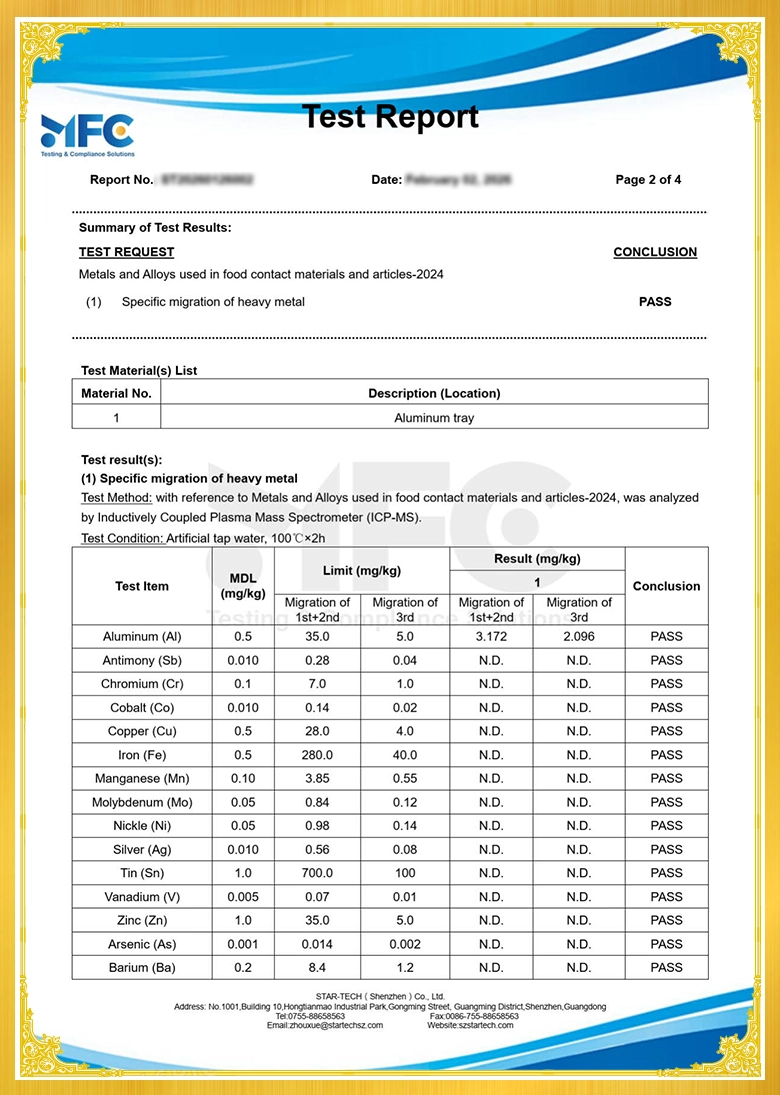
Model: TSPP product name: 18x26 sheet pan, baking tray, baking sheet, bakery tray, cookie sheet, full sheet pan material: heavy duty aluminized steel Workmanship: machine stamp Thickness: 0.7mm and more choices are available size: 450x650 and more sizes are available surface: non stick coated packing: opp bag and cartons MOQ: 100pcs function: professional rectangle baking tray baking sheet pan for bread cake cookie pastry food in bakery, restaurant, food factory etc
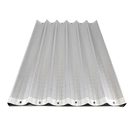
Product name: aluminium tray, baguette pan, French bread tray, French loaf pan Material: aluminum Size: full sise 26*16 inch (660*460mm), and more sizes for choices, custom size available Thickness: 1.0mm and customized thickness Surface: natural without coating Rows: 6 rows and customized row quantity Type: open-ended and perforated surface MOQ: 50pcs Function: French long-stick loaf bread baking mold tray for bakery, food factory etc
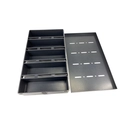
Product name: custom bakeware industrial 5 strap bread loaf pan with lidMaterial: alusteelSize: as the professional design chart showsSurface: non stick corrugated surface\Workmanship: custom design and manufcaturing, handmadeMOQ: 100setsPacking: cartonsFunctions: commercial industrial use bakeware bread loaf baking pan for bakeries, food factories etc
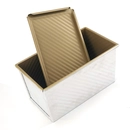
Model number: TSTPMaterial: AluminiumSize: customized size is availableThickness: 1.0mmSurface: non-stick and corrugatedColor: goldenPacking: cartonMOQ: 50pcsFunction: loaf bread baking pan, toast tin for bakery, food factory etc.
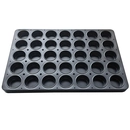
Model number: TSMT Product name: round cupcake tray, round muffin tray, commercial baking tray, baking pan Material: aluminized steel Tray size: 400*600mm, 460*660mm, 600*800mm and any custom size Square mold: multiple sizes for choices and any custom size Thickness: 0.4/0.8mm Surface: non-stick coated Packing: 15pcs/carton MOQ: 100pcs Function: round baking molds for muffin cake, cupcake, brownie cake etc in bakery, restaurant, food factory
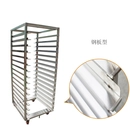
Model Number : TSRSMetal Stainless steel SS 201Type 15-tier stackable rack trolley for 40*60cm bakery pans Size 470*620*H1730mmL shape runner 1.0mm thickness Distance between tiers 80mmTube Size 25*25mm, 1.0mm thicknessStructure Knocked-downWheel Type 4 swivel PVC castors, 2 with brakesCustomized Size AvailablePacking Size 1640*690*H130mmN.W / G.W: 21kg / 24kg
In commercial bakeries and food factories, baking pans are used repeatedly throughout daily production. From sheet pans and loaf pans to baguette trays and multi-mold baking pans, these products play an important role in maintaining consistent baking results and supporting efficient production processes.
However, commercial baking pans are exposed to high temperatures, repeated heating and cooling cycles, frequent handling, cleaning, and sometimes automated production equipment. Over time, these conditions can lead to problems such as warping, coating damage, food sticking, uneven baking, and surface corrosion.
These issues can affect more than the condition of the baking pans themselves. They may also result in inconsistent product quality, additional cleaning work, production interruptions, and increased replacement costs.
Understanding the causes of common baking pan problems is therefore important for both bakery operators and purchasing managers. In this article, we discuss five common problems with commercial baking pans and practical ways to prevent them.
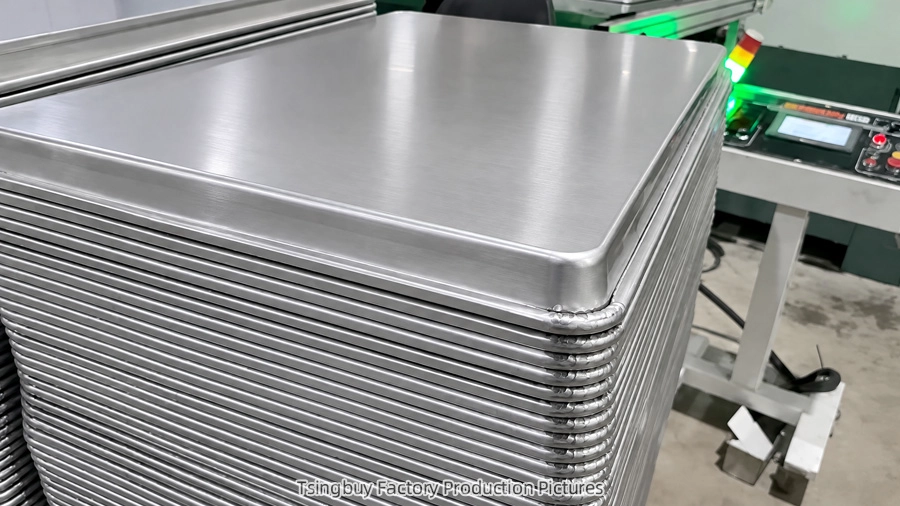
Warping is one of the most common problems with baking pans used in commercial and industrial environments. A warped pan may no longer sit flat on an oven rack or trolley, making handling more difficult and potentially affecting baking consistency.
Why Do Baking Pans Warp?
Several factors can contribute to deformation:
How to Prevent Warping
Choosing an appropriate material thickness and structural design is an important first step. Larger commercial baking pans may benefit from reinforced edges or wire-in-rim construction, depending on their dimensions and intended use.
During daily operation, bakery staff should also avoid exposing hot pans to sudden temperature changes, overloading them, or stacking heavy objects on top of them.
For manufacturers, pan dimensions, material thickness, edge construction, and intended operating conditions should all be considered during the design stage.
Non-stick coatings are widely used on commercial baking pans because they help baked products release more easily and reduce the effort required for cleaning.
However, coating performance can deteriorate over time, particularly when pans are used frequently or handled incorrectly.
Why Does Non-Stick Coating Wear Off?
Common causes include:
How to Protect Non-Stick Coatings
To extend coating service life, commercial bakeries should follow the coating manufacturer's operating and cleaning recommendations.
Practical measures include:
It is also important to select a coating that matches the product being baked. For example, different baking applications may require different release performance and temperature characteristics.
PTFE-based and silicone-based coatings have different properties and should be evaluated according to the intended baking process.
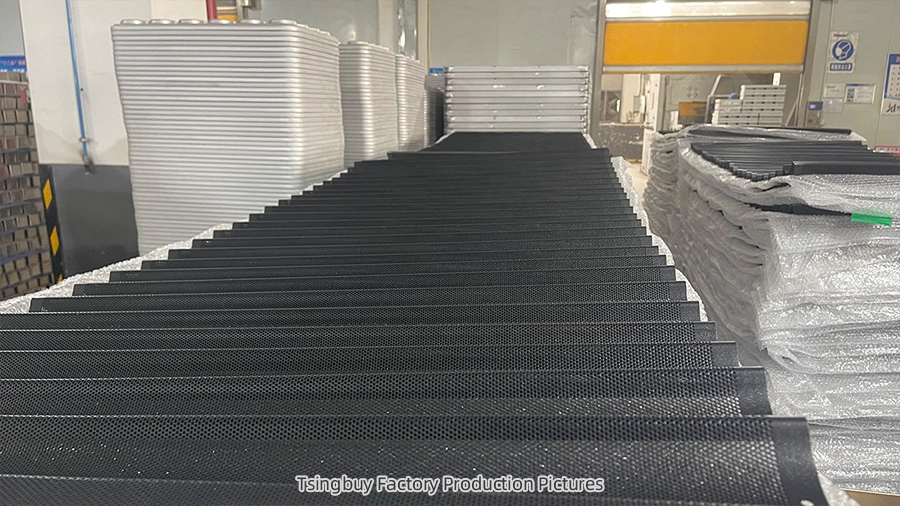
Food sticking to baking pans can create additional work for bakery operators. It may cause products to break during removal, affect their appearance, and slow down production.
This problem can occur even when non-stick baking pans are used.
What Causes Food to Stick?
There are several possible reasons:
How to Prevent Products from Sticking
The first step is to identify whether the problem comes from the coating, the baking process, or the product itself.
For products containing high levels of sugar or other ingredients that tend to stick, bakeries should evaluate whether a specialized coating is more appropriate.
Regular cleaning is also important. Food residues should be removed using cleaning methods suitable for the pan material and coating.
In addition, baking temperature, baking time, and product formulation should be checked before assuming that the baking pan itself is defective.
For industrial production, testing the pan with the actual product and baking conditions before placing a large order can help confirm whether the selected design and coating are suitable.
Uneven baking can affect product color, texture, shape, and overall consistency. In large-scale bakery production, even small variations may become noticeable when hundreds or thousands of products are manufactured in each batch.
Although oven performance is often the main factor, baking pan design and condition can also contribute to inconsistent results.
What Causes Uneven Baking?
Potential factors include:
How to Improve Baking Consistency
Start by checking whether the baking pans match the oven specifications and intended baking process.
For example, perforated baking pans may be suitable for certain bread products where increased airflow and moisture release are desired. Smooth pans are commonly used for products that require a continuous support surface.
Material selection, pan thickness, dimensions, and surface structure should all be considered together.
It is also important to remember that uneven baking may be caused by oven temperature distribution, airflow, loading patterns, or recipe differences. Evaluating the complete baking process is usually more effective than changing the baking pan alone.
For commercial bakeries, selecting suitable baking pans from an experienced commercial baking pan manufacturer in China can help ensure that pan dimensions, material thickness, and surface design meet the requirements of the intended baking process. Consistent manufacturing quality is also important for maintaining reliable baking performance across repeated production batches.
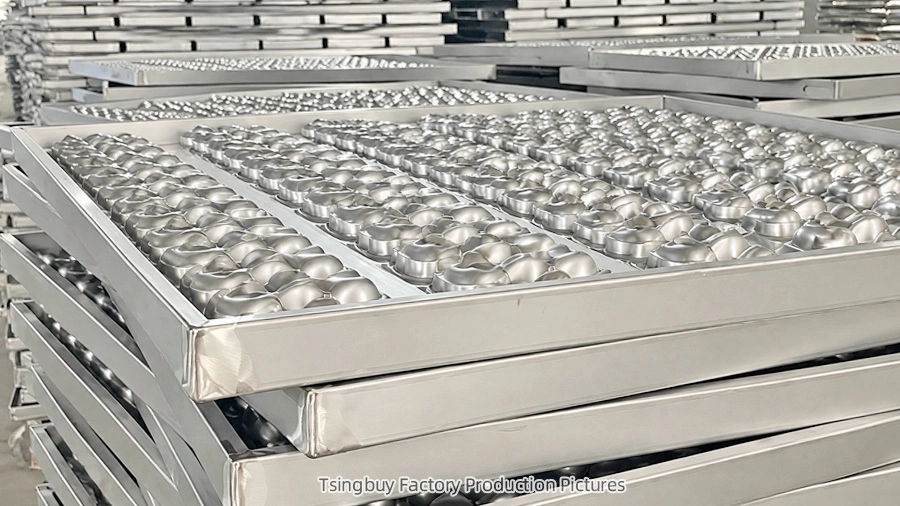
Rust and surface corrosion can affect the appearance, cleanliness, and service life of commercial baking pans.
The risk depends on the base material, surface treatment, coating condition, cleaning chemicals, and storage environment.
Why Do Baking Pans Develop Rust or Surface Damage?
Common causes include:
How to Prevent Rust and Corrosion
After cleaning, baking pans should be dried thoroughly before storage. They should also be kept in a clean, dry environment with adequate ventilation.
Avoid using cleaning chemicals that are incompatible with the pan material or surface treatment.
When selecting baking pans, consider the working environment and cleaning procedures. For applications involving frequent washing or demanding cleaning conditions, material and surface-treatment compatibility should receive particular attention.
Stainless steel may be an option for certain applications, while aluminized steel is widely used for commercial baking pans. The most suitable choice depends on the required baking performance, operating environment, and maintenance practices.
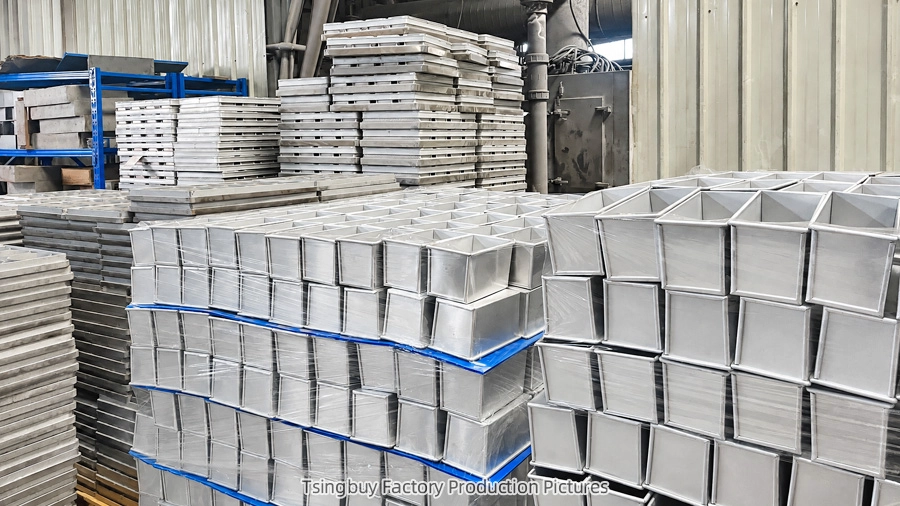
Preventing common problems requires more than selecting a good baking pan. Proper daily operation, cleaning, and storage are equally important.
Here are several practical recommendations for commercial bakeries:
Use Pans Within Their Intended Temperature Range
Follow the manufacturer's recommendations for the selected material and coating. Avoid exposing pans to temperatures beyond their specified operating limits.
Avoid Sudden Temperature Changes
Allow hot pans to cool appropriately before washing or placing them in a significantly colder environment.
Use Suitable Cleaning Tools
Choose cleaning brushes, cloths, and detergents that are compatible with the pan material and surface coating. Avoid unnecessary scraping or abrasive cleaning.
Handle and Stack Pans Carefully
Avoid dropping pans or applying excessive pressure to their edges. When stacking, take care to minimize direct friction between coated surfaces.
Keep Pans Clean and Dry
Remove food residues after use and dry pans thoroughly before storage. This helps maintain surface condition and reduces the risk of corrosion.
Inspect Pans Regularly
Check for deformation, coating damage, rust, and other visible defects. Pans with significant structural damage or deteriorated surfaces should be evaluated before returning to production.
Proper maintenance can help extend the service life of baking pans, but product quality also starts with manufacturing. Working with a reliable industrial baking tray factory in China gives buyers the opportunity to discuss material selection, structural design, edge reinforcement, and surface treatment before production. These factors can all contribute to the durability and suitability of baking pans for commercial use.
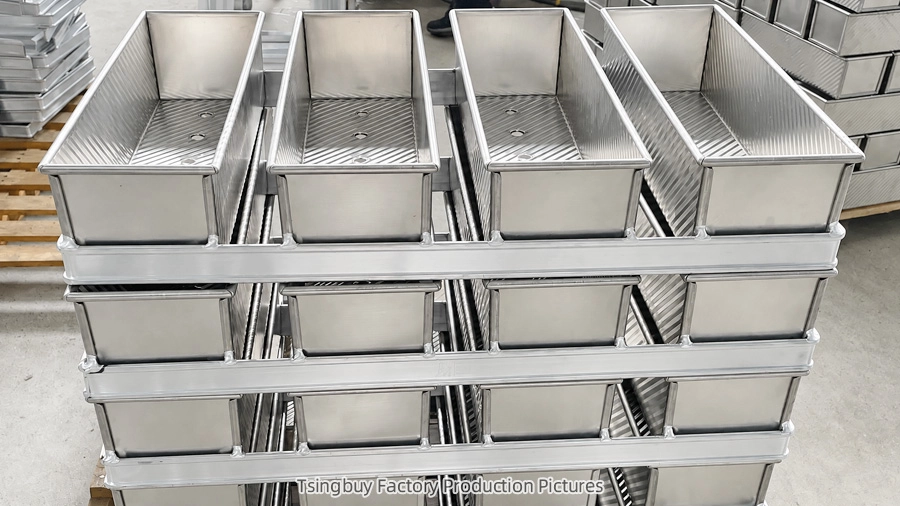
Many common baking pan problems can be reduced through appropriate product selection. When purchasing commercial or industrial baking pans, businesses should look beyond the initial price and evaluate the product's suitability for long-term use.
Important factors include:
For large bakeries and food factories, it is also worth discussing sample testing and technical specifications with the manufacturer before confirming a bulk order.
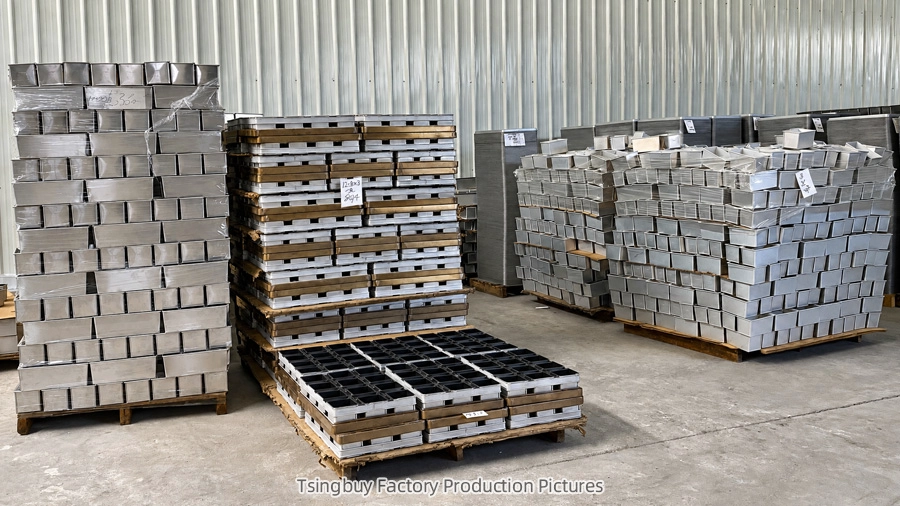
Since 2006, Tsingbuy custom bakeware supplier in China has specialized in manufacturing commercial and industrial baking pans and trays for bakeries, food factories, bakery brands, wholesalers, and distributors.
With in-house manufacturing capabilities, experienced technicians, and dedicated design and mold-making teams, Tsingbuy produces a wide range of baking pans for different commercial applications.
Our product range includes:
We understand that different bakery products and production environments require different pan designs. Therefore, Tsingbuy supports OEM and ODM customization, including pan dimensions, material thickness, surface structures, mold layouts, coating options, edge designs, and other product specifications.
From technical drawings and mold development to sample confirmation, mass production, and quality inspection, our team works with customers to develop baking pans that meet their actual production requirements.
Choosing suitable baking pans can help commercial bakeries improve product consistency, reduce avoidable maintenance issues, and support reliable long-term production.
Looking for commercial or customized industrial baking pans? Contact Tsingbuy to discuss your requirements and explore a suitable bakeware solution for your business.